
operation efficiency
-

How to Build a Digital Roadmap for Upstream Oil and Gas Operations
Most upstream oil and gas teams already use some form of digital tools, whether it’s SCADA systems, production monitoring software, or sensor data from the field. These are all examples of oil and gas technology that play a critical role in modernizing upstream workflows. But in many cases, these tools don’t work well together. The…
-
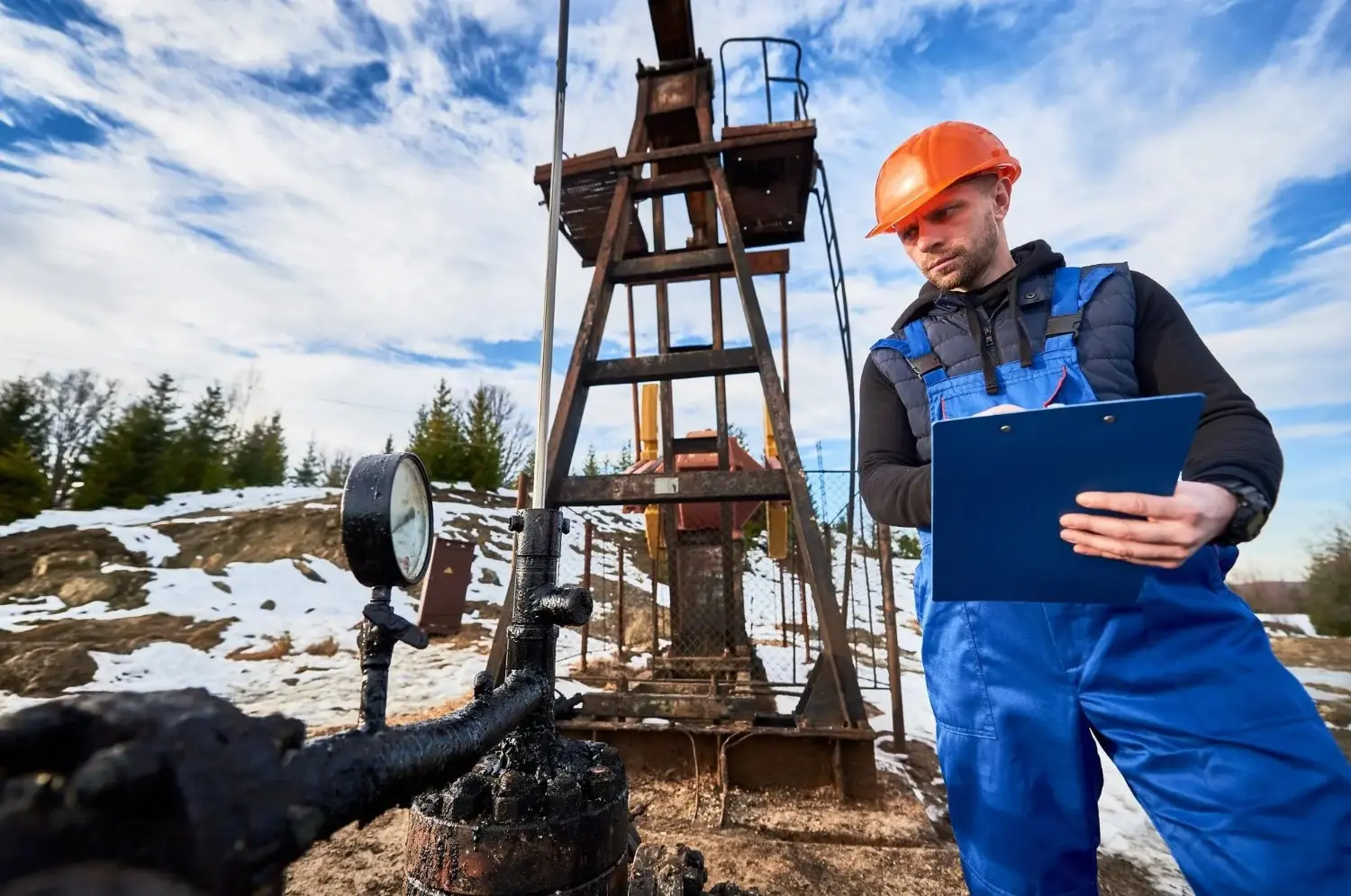
The ROI of Sensor-Driven Asset Health Monitoring in Midstream Operations
In midstream, a single asset failure can halt operations and burn through hundreds of thousands in downtime and emergency response. Yet many operators still rely on time-based checks and manual inspections — methods that often catch problems too late, or not at all. Sensor-driven asset health monitoring flips the model. With real-time data from embedded…
-

How IT Consultancy Helps Replace Legacy Monoliths Without Risking Downtime
Most businesses continue to use monolithic systems to support key operations such as billing, inventory, and customer management. However, as business requirements change, these systems become more and more cumbersome to renew, expand, or interoperate with emerging technologies. This not only holds back digital transformation but also increases IT expenditures, frequently gobbling up a significant…
-

Logistics Firms Are Slashing Fuel Costs with AI Route Optimization—Here’s How
Route optimization that are based on static data and human choice tend to fall short of possibilities to save money, resulting in inefficiencies and wasted fuel use. Artificial intelligence route optimization fills the gap by taking advantage of real-time data, predictive algorithms, and machine learning that dynamically alter routes in response to current conditions, including…
-

Why AI/ML Models Are Failing in Business Forecasting—And How to Fix It
You’re planning the next quarter. Your marketing spend is mapped. Hiring discussions are underway. You’re in talks with vendors for inventory. Every one of these moves depends on a forecast. Whether it’s revenue, demand, or churn—the numbers you trust are shaping how your business behaves. And in many organizations today, those forecasts are being generated—or…
-

How Real-Time Data and AI are Revolutionizing Emergency Response?
Imagine this: you’re stuck in traffic when suddenly, an ambulance appears in your rearview mirror. The siren’s blaring. You want to move—but the road is jammed. Every second counts. Lives are at stake. Now imagine this: what if AI could clear a path for that ambulance before it even gets close to you? Sounds futuristic?…
-

How RPA is Redefining Customer Service Operations in 2025
Customer service isn’t broken, but it’s slow. Tickets stack up. Agents switch between tools. Small issues turn into delays—not because people aren’t working, but because processes aren’t designed to handle volume. By 2025, this is less about headcount and more about removing steps that don’t need humans. That’s where the robotic process automation service (RPA)…
-

The Role of Predictive Analytics in Driving Business Growth in 2025
Consumer behaviour is shifting faster than ever. Algorithms are making decisions before you do. And your gut instinct? It’s getting outpaced by businesses that see tomorrow coming before it arrives. According to a 2024 Gartner survey, 79% of corporate strategists say analytics, AI, and automation are critical to their success over the next two years.…
-

How AI/ML Services and AIOps Are Making IT Operations Smarter and Faster?
Are you seeking to speed up and make IT operations smarter? With infrastructure becoming increasingly complex and workloads dynamic, traditional approaches are insufficient. IT operations are vital to business continuity, and to address today’s requirements, organizations are adopting AI/ML services and AIOps (Artificial Intelligence for IT Operations). These technologies make work autonomous and efficient, changing…
-

How GIS Companies in India Use Satellites and Drones to Improve Land Records & Property Management?
India, occupying just 2.4% of the world’s entire land area, accommodates 18% of the world’s population, resulting in congested land resources, high-speed urbanization, and loss of productive land. For sustainable land management, reliable land records, effective land use planning, and better property management are essential. To meet the demand, Geographic Information System (GIS) companies use…