
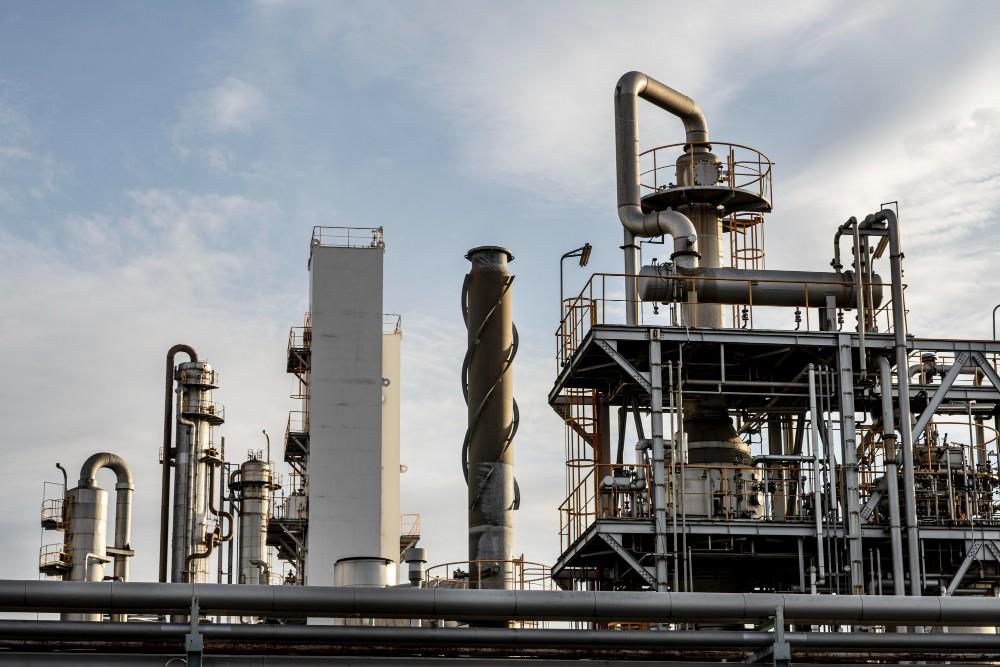
Oil and gas operations walk a tightrope every single day. A small leak might go unnoticed, or a maintenance alert that gets buried in an email. Someone in the field can make a call based on an outdated map. Any of these situations can turn into a disaster. And the result? You may end up with fines, shutdowns, environmental damage, or worse. That is why you need GIS mapping services.
The industry got by with clipboards, manual logs, and reactive fixes for years. But that approach has run its course. Digital transformation using AI, RPA, GIS, and cloud is more than a tech upgrade. Consider it as a safety necessity to turn data into decisions before something goes wrong.
Why Old Ways Don’t Work in Today’s Time
Let us consider a typical legacy setup. You have different systems that don’t talk to each other. Field crews with paper checklists or a pipeline stress fracture might only show up as a pressure drop hours later. Worst case? What if the fracture happens during an emergency? Safety audits take weeks because someone has to chase down spreadsheets and PDFs from three different departments.
This is dangerous for all the utility sectors. The old “find it and fix it” model keeps people reacting instead of preventing. Fortunately, digital transformation flips that around.
AI: Spotting Trouble Before It Starts
Artificial Intelligence changes the game from responding to fires to preventing them. Here’s what that looks like on the ground: an AI model watches vibration patterns on a compressor. It notices a tiny anomaly that human ears would miss. Seventy-two hours later, it predicts a seal failure, and an alert goes out automatically.
Maintenance happens on a Tuesday morning, not at 2 AM on a Saturday after a blowout. AI can also watch camera feeds around flare stacks or restricted zones. It can flag unauthorized personnel or odd emissions instantly. The asset basically becomes self-aware when it comes to danger. So, fewer surprises… fewer close calls.
RPA: Handling the Repetitive Work
Safety runs on routine, inspection logs, permit renewals, equipment due dates, audit trails, etc. Doing all of this manually is tedious, and tedious work invites mistakes. Robotic Process Automation (RPA) handles the repetitive paperwork without getting tired or distracted.
A software bot can reconcile inspection records every night. Another bot can generate an audit-ready report at the click of a button. If a safety valve inspection is overdue, a bot can trigger a work order and notify the supervisor. So, no more “I forgot.” This frees up actual humans to focus on high-risk field decisions instead of drowning in administrative tasks.
GIS Services: Knowing Exactly Where the Risk Is
Oil and gas assets don’t sit neatly inside a factory. Pipelines stretch for hundreds of miles, and refineries sit near communities. Wells are often in remote and harsh terrain. Geographic Information Systems (GIS) turn all that geography into a live safety tool. However, you need a reliable GIS company to achieve the best results.
Good GIS services layer everything on one map: pipeline corrosion data, current weather, crew locations, population centers, and shut-off valves. That’s the important part during an emergency. The response team can see exactly where a leak is, the fastest route to block it, and which neighborhoods need evacuation alerts.
Field crews using mobile GIS mapping services can pin a hazard on a map the moment they see it. Back at the command center, everyone sees that same hazard in real time. This kind of location intelligence turns sprawling infrastructure from a liability into a manageable, visual system.
|
Operational Challenge |
How GIS Mapping Services Help |
|
Pipeline leak detection |
Layers real-time sensor data over spatial maps |
|
Emergency evacuation |
Shows population density, wind direction, and road networks |
| Remote asset inspection |
Integrates drone footage with geo-coordinates |
| Regulatory compliance |
Maps historical spill data and sensitive environmental zones |
| Field crew coordination |
Tracks all personnel and vehicles on a single dashboard |
Cloud: Tearing Down the Silos That Hide Warnings
None of the above works if the data is trapped on a local server in one office. That’s where cloud computing services come into the picture. A cloud platform pulls together SCADA readings, IoT sensor data, drone footage, work orders, and compliance logs into one place. Everyone sees the same picture.
For example, a company operating across three countries. They will have a safety procedure updated in Houston that shows up instantly on a technician’s tablet in the North Sea. Cloud dashboards can show a pump’s predicted failure date next to a live GIS risk layer, next to an automated compliance status. When critical warnings used to get lost in silos, now they can’t hide.
Putting It All Together: A Safer Day on the Job
Theory is fine, but what does this actually look like on a Tuesday morning? An AI model flags a pump bearing with a 70% probability of failing in 72 hours. An RPA bot automatically creates a work order, checks parts inventory, and sends a notification to the field supervisor. That supervisor pulls up a cloud-based GIS app on a tablet. The app shows the pump’s exact location, the nearest crew (22 minutes away), and current weather (clear skies, good for repair). The crew can fix the bearing that afternoon. The bot closes the loop by logging the repair and updating the AI model.
No emails lost. No phone tag. No breakdown at 3 AM. That’s digital transformation working for safety.
Safety Pays for Itself
What most people miss:
- Safer operations are also more profitable.
- Fewer unplanned outages mean more production uptime.
- Automated compliance reporting cuts audit costs.
GIS route optimization saves fuel and driving hours on remote roads. Cloud setups avoid huge spending on on-premise hardware that gets outdated every few years.
Digital transformation isn’t a cost center. It’s a performance upgrade that also keeps people alive and the environment protected.
How to Get Started
No algorithm can feel a hot flange or smell a gas leak. Human instincts and experience will always matter. But digital tools can ensure that when a human notices something wrong, every other system backs them up instantly, including maps, alerts, maintenance logs, and emergency protocols.
The question for oil and gas leaders isn’t “Should we do this?” anymore. It’s “How fast can we move?” The technology exists. Partners like SCS Tech India specialize in secure, practical deployments that don’t disrupt ongoing work. Every day spent with disconnected spreadsheets and manual reports adds unnecessary risk. Modern safety needs a modern nervous system. The only bad choice is to stay stuck in the past. So, don’t wait for the next unplanned shutdown. Contact SCS Tech India today and build a safer, smarter operation.
FAQs
- What is digital transformation in oil & gas?
It means using AI, cloud, and IoT to move from manual operations to connected, predictive, and automated systems. Organizations implement digital transformation for better safety and efficiency.
- Why is digital transformation necessary for oil & gas?
It cuts costs, boosts production uptime, automates paperwork, and prevents accidents. It can turn safety into a performance upgrade that protects people and profits.
- How does AI improve safety?
AI predicts equipment failures 72 hours in advance, monitors cameras for hazards in real-time, and flags tiny anomalies humans miss. So, you can fix issues before they become disasters.
- What does RPA do for oil & gas?
RPA (Robotic Process Automation) can handle repetitive tasks like inspection logs, audit reports, and work orders. So, your team can focus on high-risk field decisions instead of drowning in paperwork.