Over the last decade, the continued evolution of digital healthcare and the impact that next-generation technology will have on patient wellness and diagnostic outcomes has been a recurring conversation. Providers have been looking to make the most of the tech-centric tools that are increasingly available, while those in need of care or the right advice at the right time now expect the medical sector to be investing in digital solutions to physical problems.
The integration of tech into public health and wellness is nothing new, but the demands of the connected society have only raised awareness of what is possible but also flagged up the opportunities for engagement in the digital space.
Healthcare has never shied away from technology, albeit some recent improvements can be hit-and-miss – electronic health records are only as useful as the data that has been input, for example. However, there is a consensus among providers and medical professionals that the industry is willing to accept some disruption if it has a positive impact on the overall patient experience.
In terms of technology with the power to both disrupt and improve the way that people engage with digital health, there is an argument to be made that conversational AI (which includes Machine Learning) and Natural Language Processing (NLP) can be the missing link. After all, if Alexa et al can answer questions about the weather, start your car in the morning and tell jokes, then there is no reason why virtual assistants can’t provide you with the medical advice that you need, when you need it.
The Chatbot will See You Now
According to the World Economic Forum, virtual assistants – and, by association, chatbots – are not only being used in a diverse set of industries (healthcare, education, retail, tourism, and more), but also offer opportunities for companies to integrate NLP into routine or mundane activities. For instance, Amazon’s Alexa is the chatbot that the average person associates with the tech, but the key element in every interaction is the ability of NLP to understand what it is being asked and respond with the appropriate information.
The problem, the WEF said in a November 2021 blog post, is that building the chatbot is the easy part. Often, it is the conversational aspect that throws a digital spanner into the works. When you are talking to a finance bot or trying to return a pair of shoes, the stilted nature of these exchanges is rarely an issue. In a sector such as healthcare, it is the conversation and the information that is being dispensed that is a key part of how comfortable an end-user is with knowing that they are not engaged with a human being.
In rural parts of the world, the use of so-called health bots has already helped alleviate some of the pressure on localized health providers.
This is not limited to first-world or so-called developed countries, but their integration takes on a particular resonance in regions where access to tech is not easily available. In Rwanda, for example, there is often only one doctor and six healthcare workers per 10,000 people, with the WEF noting that these tools are allowing patients to have access to doctors, nurses, and relevant healthcare information.
The caveat is that there is still some concern that a well-documented stigma surrounding chatbots in general could prevent people from interacting with them in the first place – for the record, this is also not unique to developing countries, there seems to be a global mistrust of chatbots as an accurate or effective engagement tool!
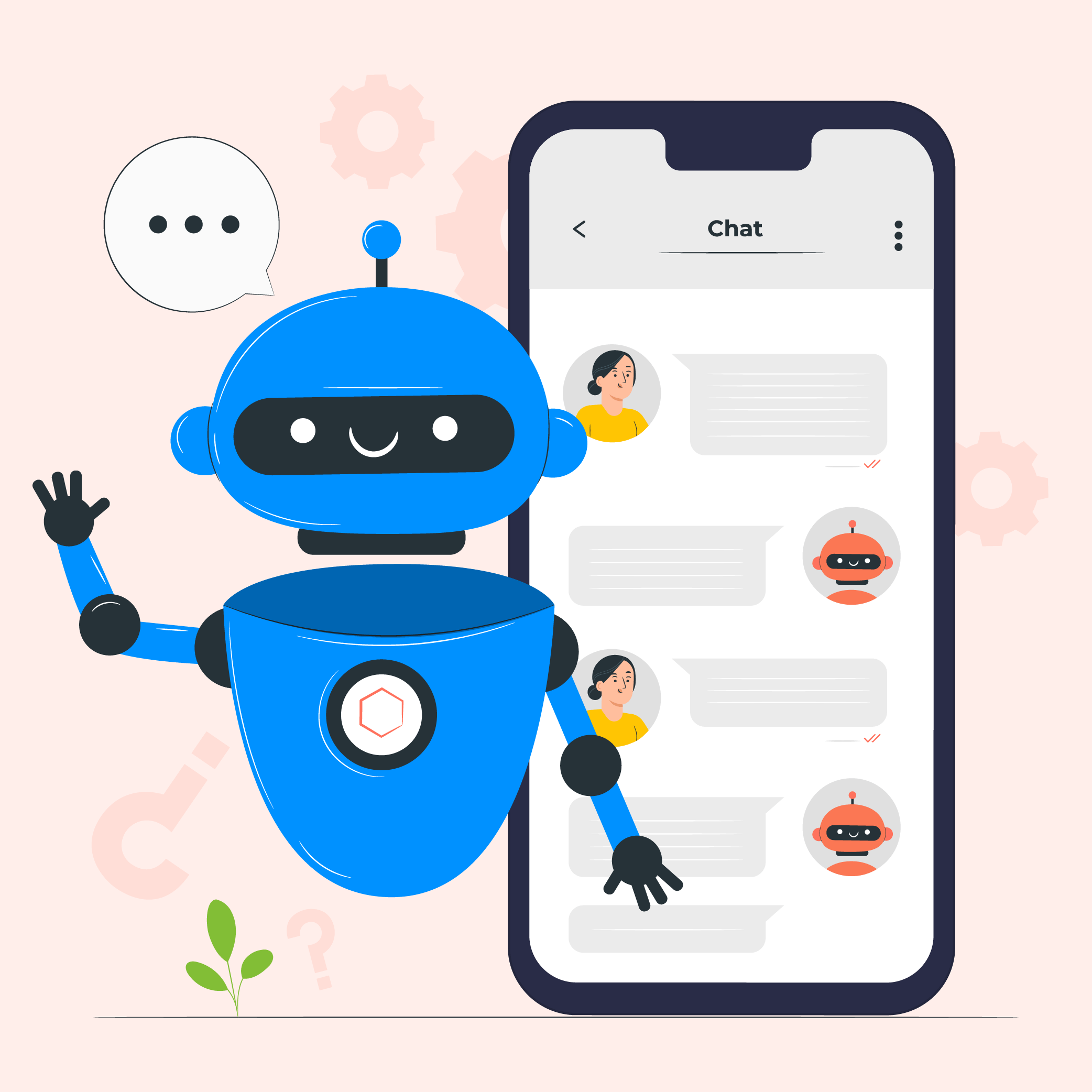
Conversational AI and chatbots are not new per se, but they can suffer from falling under a broad definition of what they actually are. Simply put, a “chatbot” is AI software that simulates a human conversation with end-users – this can be text or voice – with the aim being to leverage machine learning algorithms and NLP to deliver required outcomes.
The healthcare sector has been experimenting with these solutions for some time, with Mobile Health News reporting in May 2020 that a leading healthcare provider was integrating bots into its Emergency Department EHR system. More recently, the World Health Organization launched a women’s health chatbot dedicated to breast cancer messaging – for context, this new digital experience follows hot on the heels of bots that delivered information on COVID-19, mental health and smoking cessation.
So, the bots are already here, but the question that we need to address is how we can use conversational AI and/or chatbots in addressing not only patient concerns but also alleviate the worry or concerns that a person has. Additionally, we should consider both the challenges to overcome and the advantages of using virtual assistants to deliver care and wellness.
The Future is Already Here
We all interact with digital experiences every day of our lives, so it makes perfect sense that the technologies we often use without thinking should be mirrored in the healthcare sector. And while the industry still relies far too much on legacy technology (disparate IT systems, pagers instead of wearables), the integration of digital health solutions is picking up pace.
Conversational AI has been part of the digital landscape for at least five years, although the average person is likely to only know these virtual assistants as Alexa, Siri and Google Assistant (useful tool, unimaginative name). Chatbots fit into the same category, but their integration into the connected society is less heralded and, arguably, overlooked in terms of the access to knowledge and the assistance they can provide.
However, these tools are here to stay and there is a defined need for them to become not only part of the digital health landscape but also a familiar resource for people to turn to. The effective use of chatbots to provide the right medical or clinical information at the right time is not a futuristic concept, these solutions are here now. What matters is how healthcare and life sciences companies choose to use them.
To learn more about SCS Tech Expertise, click here