Category: Digital Transformation

  • How Digital Transformation Services Are Reinventing Customer Experiences

    How Digital Transformation Services Are Reinventing Customer Experiences

    In today’s digital era, businesses are undergoing transformative changes fueled by digital technologies. Central to this shift is digital transformation – a strategic approach that integrates digital tools to enhance operations and customer experiences. In this blog, we’ll explore how digital transformation services are revolutionizing customer experiences, empowering businesses to create personalized, seamless interactions that drive loyalty and growth.

    1. Understanding Digital Transformation:
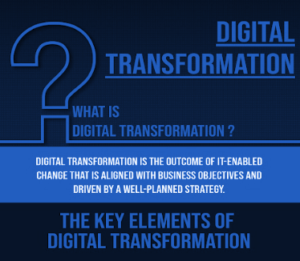
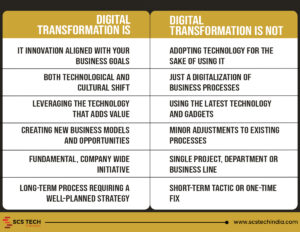
    Digital transformation goes beyond technology upgrades; it’s a holistic approach to redefining how businesses operate and engage with customers. It involves embracing innovation and agility to adapt to the evolving digital landscape.

    Think of it as more than just upgrading your software or implementing new tools. It’s about embracing a mindset of innovation and agility, where businesses continuously evolve to meet the changing needs and expectations of customers in the digital age.

    By leveraging technologies like AI and data analytics, businesses streamline operations, gain insights, and deliver personalized experiences. Digital transformation is about staying ahead, embracing change, and meeting customer expectations in a digital world.

    2. The Evolution of Customer Experiences:

    In the digital age, customer expectations have undergone a significant transformation. Gone are the days of traditional interactions; today’s consumers expect seamless, personalized experiences across all touch points. This shift is driven by advancements in technology and the widespread adoption of digital channels, which have empowered customers with greater choice and convenience.

    Businesses must adapt to this new reality by embracing digital transformation to meet the evolving needs of their customers. By leveraging data insights and technology-driven IT solutions, businesses can create tailored experiences that resonate with their audience, fostering loyalty and long-term relationships.

    3. Leveraging Digital Transformation Services:

    Digital transformation services play a pivotal role in helping businesses navigate the complexities of the digital landscape and elevate their customer experiences. These services encompass a wide range of capabilities, including data analytics, AI-driven personalization, and omnichannel integration, designed to enhance customer engagement and satisfaction.

    By partnering with digital transformation service providers, businesses gain access to expertise and technologies that enable them to deliver seamless, personalized experiences across all touch points. From analyzing customer data to automating processes, these services empower businesses to stay ahead of the competition and meet the ever-changing demands of their customers.

    4. Personalization and Customer Insights:

    Personalization has become a cornerstone of modern customer experiences, and digital transformation services enable businesses to deliver tailored interactions that resonate with their audience. By harnessing the power of data analytics and AI, businesses can gain valuable insights into customer behavior and preferences, allowing them to create hyper-targeted campaigns and offers.

    Furthermore, digital transformation companies enable businesses to go beyond surface-level personalization by anticipating customer needs and proactively addressing them. Whether it’s recommending products based on past purchases or providing relevant content at the right time, personalized experiences foster deeper connections and drive customer loyalty.

    5. Seamless Omnichannel Experiences:

    In today’s digital landscape, customers expect a seamless experience across all channels, whether they’re browsing online, using a mobile app, or visiting a physical store. Digital transformation services enable businesses to integrate these channels into a cohesive omnichannel strategy, ensuring consistency and continuity throughout the customer journey.

    By leveraging omnichannel capabilities, businesses can provide customers with the flexibility to interact with their brand wherever and whenever they choose. Whether it’s starting a transaction online and completing it in-store or receiving personalized recommendations across multiple touchpoints, seamless omnichannel experiences foster customer satisfaction and loyalty.

    6. Enhancing Customer Engagement and Satisfaction:

    Digital transformation companies empower businesses to engage with customers in meaningful ways, fostering stronger relationships and driving satisfaction. Through innovative strategies such as interactive content, chatbots, and social media listening, businesses can connect with customers on a deeper level, addressing their needs and preferences in real-time.

    Furthermore, these services enable businesses to gather feedback and insights from customers, allowing them to continually refine and improve their offerings. By actively listening to customer feedback and responding promptly, businesses can demonstrate their commitment to customer satisfaction and build a loyal customer base.

    Conclusion:

    In today’s digital landscape, customer experiences play a pivotal role in shaping the success of businesses. Digital transformation services have emerged as a key enabler in redefining these experiences, empowering businesses to deliver personalized, seamless interactions that drive satisfaction and loyalty.

    By leveraging advanced technologies and data-driven insights, businesses can gain a competitive edge and stay ahead in the ever-evolving market. As we look to the future, the importance of digital transformation services in enhancing customer experiences will only continue to grow, driving innovation and fueling business growth.

    Ready to transform your customer experiences with digital transformation services? Contact us today to learn how SCS Tech India’s tailored IT solutions can help elevate your business in the digital age!

     

  • Why Are IT Solutions Critical for Modern Business Success?

    Why Are IT Solutions Critical for Modern Business Success?

    In today’s digital age, IT solutions are indispensable for business success. They drive digital transformation, enhance efficiency, and secure data. Let’s explore the critical importance of IT solutions for modern businesses and their role in shaping the future of business.

    The Role of IT Solutions in Digital Transformation

    1. Navigating the Digital Landscape: Digital transformation companies act as guides, helping businesses navigate the complex terrain of the digital landscape. They offer a suite of services, from cloud computing to data analytics, tailored to each business’s unique needs.
    2. Empowering Adaptability: It empowers businesses to adapt to changing market conditions, customer demands, and technological advancements. This agility allows companies to seize new opportunities and stay ahead of the curve.
    3. Driving Innovation: Innovation is at the heart of digital transformation. IT solutions provide the tools and platforms necessary for innovation to flourish. Whether it’s developing new products, streamlining processes, or enhancing customer experiences,
    4. Enhancing Collaboration and communication: Collaboration is essential for driving digital transformation. It facilitates collaboration by breaking down silos, enabling seamless communication and information sharing across departments and teams.

    Leveraging IT Solutions for Enhanced Efficiency and Productivity

    1. Automation of Repetitive Tasks: IT solutions automate routine tasks, giving employees more time to concentrate on strategic activities.
    2. Streamlining Workflows: it enables smoother and more efficient operations by digitizing workflows and eliminating paper-based processes.
    3. Real-Time Data Insights:  it uses data analytics tools to provide real-time insights into business performance, allowing for informed decision-making.
    4. Integration of Business Functions: Enterprise resource planning (ERP) systems consolidate different business functions, such as finance, HR, and supply chain management, into one unified platform.

    Enhancing Customer Experience through IT Solutions

    1. Personalized Interactions: IT solutions enable businesses to personalize customer interactions based on preferences, purchase history, and behaviour.
    2. Streamlined Communication Channels: Omnichannel communication platforms allow businesses to communicate with customers seamlessly across multiple channels, including email, social media, and live chat.
    3. Centralized Customer Data: Customer relationship management (CRM) systems centralize customer data, offering a comprehensive view of each customer’s interactions and history.
    4. Tailored Services: With insights from data analytics tools, businesses can offer tailored services and recommendations to meet individual customer needs.

    Securing Business Data and Assets with IT Solutions

    1. Cybersecurity Solutions: IT solution providers offer a range of cybersecurity solutions, including network security, endpoint protection, and threat intelligence, to protect against cyber threats.
    2. Data Encryption Technologies: Data encryption technologies safeguard data during transmission and storage, thwarting unauthorized access and preserving confidentiality.
    3. Mitigating Risks: By deploying robust IT security measures, businesses can mitigate the risks linked with cyber threats, preserving their reputation, customer trust, and competitive edge.

    Future Trends and Opportunities in IT Solutions

    As technology progresses, IT solutions are evolving rapidly, opening up new avenues for business growth and innovation. Cloud computing offers scalable data storage, while AI and machine learning streamline automation and data analysis. The Internet of Things facilitates real-time data collection by connecting devices. In this digital landscape, partnering with IT infrastructure solution providers becomes vital for businesses to adapt and capitalize on these trends, ensuring their competitiveness in the digital realm.

    Choosing the Right IT Infrastructure Solution Provider

    Choosing the correct IT infrastructure solution provider is vital for the success of your digital transformation journey. Consider the following factors when choosing a provider:

    1. Expertise and Experience: Seek out an IT infrastructure solutions provider with a demonstrated history of successfully implementing IT solutions and leading digital transformation efforts.
    2. Range of Services: Consider a provider that offers a broad spectrum of digital transformation companies, encompassing cloud computing, cybersecurity, data analytics, and enterprise software solutions.
    3. Reputation and Client Testimonials: Research the provider’s reputation in the industry and seek feedback from past clients to ensure reliability and quality of service.
    4. Alignment with Business Goals: Select a provider that understands your business objectives and can tailor solutions to meet your needs and requirements.
    5. Industry Experience: Look for providers with industry experience. They’ll have a deeper understanding of your specific challenges and opportunities.

    Conclusion

    In conclusion, IT solutions are indispensable for modern businesses. They drive digital transformation, enhance efficiency, and secure data assets. With their help, companies can streamline operations, improve customer experiences, and stay competitive. Emerging trends like cloud computing, AI, and IoT offer exciting growth opportunities. To navigate these changes effectively, businesses must partner with reliable IT infrastructure solution providers to unlock their full potential in the digital age.

    Ready to take your business to the next level with cutting-edge IT solutions? Explore a range of services and solutions at SCS Tech India, your trusted IT infrastructure partner.


  • What Are the Key Services Offered by Top Digital Transformation Services?

    What Are the Key Services Offered by Top Digital Transformation Services?

    In today’s dynamic digital landscape, businesses face the ongoing challenge of adapting to technological advancements and meeting the ever-expanding demands of consumers.

    That’s where digital transformation comes in— a strategic effort to integrate digital tools and strategies to revolutionize business operations and enhance customer experiences.


    Importance of Digital Transformation

    Digital transformation is indispensable for organizations in today’s fast-changing world. It’s a strategic necessity that helps companies maintain competitiveness, enhance efficiency, and drive growth. By embracing digital tools and adopting innovative approaches, businesses can deliver personalized customer experiences, gain a competitive edge, and respond swiftly to market changes.

    Experts are forecasting a staggering growth rate of over 58% between 2021 and 2026, with the market value expected to reach a whopping USD 124.95 billion by 2026 (source). By leveraging digital tools and strategies, you’re not only streamlining operations and boosting efficiency but also tapping into new revenue streams and enhancing the customer experience.

    Benefits of Digital Transformation

    Digital transformation brings numerous benefits to businesses in various industries, helping them succeed in today’s digital era. Here are some important advantages

    1. Enhanced Efficiency: By automating manual processes and streamlining operations, digital transformation enables businesses to work more efficiently. This leads to reduced turnaround times, increased productivity, and cost savings.
    2. Improved Customer Experiences: It allows businesses to deliver personalized and seamless experiences to their customers. Through digital channels, companies can engage with customers in real-time, tailor offerings to their preferences, and provide superior service.
    3. Increased Agility: It equips businesses with the agility to respond quickly to market changes and customer needs. By adopting flexible technologies and agile methodologies, organizations can adapt their strategies and processes in real-time,

    Core Services Offered by Top Digital Transformation Service Providers

    Digital transformation service providers offer a diverse range of solutions tailored to meet the evolving needs of businesses in the digital age. Here are some key services provided by these industry-leading firms:

    1. Cloud Computing Solutions: One of the foundational services offered by digital transformation service providers is cloud computing. These providers offer a range of cloud-based solutions, including Infrastructure as a Service (IaaS), Platform as a Service (PaaS), and Software as a Service (SaaS). Cloud computing enables businesses to access computing resources providing scalability, flexibility, and cost-effectiveness.
    2. Data Analytics and Insights: Digital transformation service providers help businesses unlock the value of their data by offering expertise in data collection, storage, processing, and analysis. By harnessing the power of data, businesses can make informed decisions, optimize operations, and drive strategic growth initiatives.
    3. Artificial Intelligence (AI) and Machine Learning (ML): AI MI services are transformative technological services that play a crucial role in digital transformation initiatives. AI and ML solutions helps to automate processes, enhance decision-making, and drive innovation. These solutions encompass a wide range of applications, including natural language processing, computer vision, etc, to unlock new opportunities and stay ahead of the curve.
    4. Internet of Things (IoT) Integration: IoT is revolutionizing industries by connecting devices, sensors, and machines to the internet, enabling real-time data collection and analysis. From smart manufacturing and connected healthcare to smart cities and intelligent transportation, IoT integration enables businesses to optimize processes, improve efficiency, and deliver innovative products and services.

    Choosing the Right Digital Transformation Services

    Selecting the right digital transformation services is paramount for successful business evolution. Here’s a simplified guide:

    1. Assess Business Needs: Understand your organization’s challenges, identify areas for improvement, and define clear objectives for the digital transformation initiative.  Ensure the provider understands your industry dynamics, compliance requirements, and business challenges, offering tailored solutions that meet your specific needs.

    2. Evaluate Service Providers:

    • Expertise and Experience: Prioritize providers with a proven track record in digital transformation across various industries.
    • Range of Services and Technology Capabilities: Choose a provider offering expertise in key areas such as cloud computing, data analytics, AI, IoT, cybersecurity, and digital marketing.
    • Reputation and Client Testimonials: Research the provider’s reputation, review client testimonials, case studies, and industry awards to gauge their reliability and success in delivering results.
    1. Collaborate and Conduct Due Diligence: Establish open communication channels with potential partners, discuss expectations, and request detailed proposals outlining scope, timelines, deliverables, and pricing.

    Conclusion

    So, if you’re a business owner or leader, here’s the bottom line: digital transformation isn’t just some fancy trend—it’s your ticket to future-proofing your business. By embracing digital innovation and partnering with the right experts, you can unlock new opportunities, drive efficiency, and deliver exceptional value to your customers.

    But here’s the thing: choosing the right digital transformation services is key. It’s not just about jumping on the latest tech bandwagon—it’s about finding solutions that align with your business goals and objectives.At SCS Tech India, we  offer tailored solutions to meet your specific needs and drive your business forward. So, take the time to assess your needs, evaluate service providers.

  • How Do Digital Transformation Companies Shape the Future of Business?

    How Do Digital Transformation Companies Shape the Future of Business?

    The journey of digital transformation is a tale of innovation, adaptation, and foresight. It’s a story that began in the late 20th century when businesses first started to embrace computers and the internet, marking the dawn of a new era.

    In the initial stages, digital transformation was primarily about digitizing paper-based processes. Companies began using computers for data storage and processing, which was a significant leap forward.

    However, it was the advent of the internet that truly accelerated the pace of digital transformation. Businesses started to realize the power of connectivity and the opportunities it presented for reaching a wider audience and streamlining operations.

    The Evolution of Digital Transformation:

    As we moved into the 21st century, the focus shifted from mere digitization to true digital transformation. This meant not just using digital tools, but fundamentally changing the way businesses operated and delivered value to customers. Digital transformation companies emerged as the architects of this new business landscape, offering digital transformation services that went beyond IT solutions. They helped businesses re-imagine their strategies, incorporating digital technologies into every aspect of their operations.

    Today, digital transformation is an ongoing journey for businesses of all sizes. It’s about continuously evolving and adapting to the changing digital landscape, from cloud computing to artificial intelligence, these solutions are enabling businesses to stay agile, innovative, and competitive in a rapidly changing world.

    Role of Digital Transformation Companies

    • Strategic Advisors:

    Digital transformation companies act as strategic advisors, helping businesses navigate the complex landscape of digital technology. They provide expert guidance on how to align digital initiatives with overall business goals, ensuring that the transformation journey is purposeful and effective.

    • Technology Innovators:

    These companies are at the forefront of technological innovation, constantly exploring new tools and methodologies. They bring the latest digital solutions, such as artificial intelligence, cloud computing, and big data analytics, to their clients, enabling them to stay ahead in a rapidly evolving digital world.

    • Solution Providers:

    Digital transformation companies offer a wide range of IT solutions tailored to meet the specific needs of businesses. From custom software development to comprehensive IT infrastructure solutions, they ensure that their clients have the right technology to support their digital transformation efforts.

    Innovating and Disrupting with Digital Transformation Services

    Digital transformation companies play a crucial role in introducing innovative solutions that disrupt traditional business models. By leveraging digital transformation services and IT solutions, they enable businesses to redefine their strategies, operations, and customer engagement.

    • Retail Industry: E-commerce platforms and mobile shopping apps have revolutionized the retail sector. Digital transformation services have helped brick-and-mortar stores transition to online models, offering personalized shopping experiences through data analytics and AI-driven recommendations.

    This shift has changed consumer behavior, making convenience and customization key factors in purchasing decisions.

    • Healthcare Industry: Telemedicine and digital health records are examples of how digital technologies have transformed healthcare. Digital transformation services have enabled remote consultations, real-time monitoring, and seamless access to patient data, improving patient care and operational efficiency.
    • Financial Services: Fintech solutions, such as mobile banking, online payments, and blockchain, have disrupted traditional banking and financial services. Digital transformation services have facilitated the adoption of these technologies, allowing financial institutions to offer secure, convenient, and innovative services to their customers.

    Data-Driven Decision Making by Digital Transformation Companies

    Digital transformation companies play a crucial role in enabling businesses to harness the power of big data and analytics. By providing advanced IT solutions, these companies help organizations sift through vast amounts of data to uncover valuable insights that inform strategic decision-making.

    This data-driven approach allows businesses to identify trends, anticipate market changes, and tailor their offerings to meet customer needs more effectively.

    Moreover, companies that adopt these strategies can make more informed decisions, reduce risks, and capitalize on new opportunities. This not only gives them a competitive edge in the market but also drives innovation by enabling them to develop new products, services, and business models based on real-time data insights.

    Shaping the Future of Business

    Digital transformation companies are reshaping the business landscape by providing innovative digital transformation services and IT solutions.By leveraging cutting-edge technologies and strategic insights, they empower businesses to stay competitive in an increasingly digital world.

    The role of digital transformation companies, IT infrastructure solution providers, and IT infrastructure solutions is crucial in this journey, offering the tools and expertise needed for a successful transformation.

    For those ready to embark on this journey, SCS Tech India offers a comprehensive range of services to help you navigate the digital landscape and unlock the full potential of your business.

  • Transforming Today’s Business Landscape: The Impact of Blockchain Technology

    Transforming Today’s Business Landscape: The Impact of Blockchain Technology

    In the new digital era, businesses seek essential new technologies for their survival. Digital transformation enables strategic decision-making, streamlining of business processes, and the adoption of new business models through the use of disruptive technologies in the market.

    Blockchain stands out as a pivotal technology driving business evolution. While blockchain has gained significant traction in the market in connection with cryptocurrencies like Bitcoin, there is still confusion surrounding the terminology. Many individuals mistakenly view blockchain as synonymous with Bitcoin and use the terms interchangeably.

    This confusion leads to the misconception that blockchain for business solely revolves around cryptocurrencies. However, blockchain for business is established on a permissioned distributed ledger technology that fosters trust among partners. Operating on a peer-to-peer network, it enhances transaction transparency, data resilience, and security, while reducing operational costs.

    Ways Blockchain Can Enhance the Current Business Model

    Blockchain technology offers numerous benefits to businesses, offering fresh opportunities to transform current business models by cutting costs, reducing intermediary involvement, and fostering greater trust within an ecosystem. Here are ten ways that businesses can incorporate blockchain into their digital transformation efforts.

    • Smart contracts are self-executing contracts stored on a blockchain network, executing terms and conditions automatically. They eliminate the need for intermediaries in legal actions, promoting efficient business operations.
    • Blockchain technology simplifies payment processes by connecting parties on the same platform, allowing direct communication between healthcare facilities and insurance providers. This transparency enhances efficiency by providing immediate access to patient information and payment details, streamlining cash flow for businesses.
    • Blockchain in Supply Chain Management enables SMEs to track products/services from manufacturing to delivery, ensuring transparency, combating counterfeiting, and enhancing security. Example: Walmart uses blockchain to track pork items’ provenance and condition, ensuring transparency in its food supply chain.
    • Blockchain technology enhances hiring by preventing fake documents, saving time in verification, and prompting companies to engage with blockchain development firms for innovative business applications.
    • Blockchain technology enhances marketing campaigns by allowing real-time tracking of client information and behaviour. This empowers marketers to create effective campaigns, increase ROI, and authenticate traffic for better outcomes.
    • Blockchain technology in business offers robust security through decentralization, transparency, and lower cyber-attack risks. It enables digital identity protection and control over information access and usage for users.
    • Blockchain technology in business boosts customer engagement by empowering users, ensuring transparency, enabling quick transactions, and helping identify loyal customers.
    • Blockchain technology offers improved speed and efficiency by automating processes, reducing human errors, and enabling transactions to be completed in seconds.
    • Businesses seek cost-effective solutions and improved processes. Blockchain adoption reduces costs by eliminating third-party vendor expenses, central players, and the need for extensive transaction validation. This makes blockchain crucial for financial management.
    • Blockchain adoption allows businesses to raise capital through Initial Token Offerings (ITOs), where investors can buy tokens representing equity or revenue share. ITOs offer a viable capital-raising alternative for businesses of all sizes.

    The Future of Blockchain in the Business World

    Blockchain introduces a distributed ledger system that enhances the media supply chain and reduces copyright violations by providing security, data analysis, and control. The significance of blockchain is on the rise as various sectors such as healthcare, logistics, manufacturing, and IT are adopting this technology to address and predict real-time challenges.

    Blockchain technology holds immense promise in shaping the future of business. It has the potential to introduce new ideas, integrate existing concepts, and provide a comprehensive understanding of the market landscape. The impact of blockchain on small and large businesses hinges on how effectively we leverage its capabilities in our economic ecosystem.


  • Process Automation – a business lifesaver

    Process Automation – a business lifesaver

    In today’s highly competitive and rapidly evolving business environment, leaders face numerous hurdles. With customers and market demands constantly shifting, companies must remain ahead of the curve to gain a competitive edge. One crucial way to achieve this is through Process Automation, which can streamline operations, boost profitability, and enhance resilience and agility in the face of ever-evolving challenges.

    Understanding the significance of Process Automation
    Discovering the different forms of Process Automation and its benefits

    Process automation is a valuable tool for businesses to reduce costs, minimize risk, and enhance operations. By relying on automation, companies can prevent human errors that could result in significant losses and also streamline processes to improve service delivery. Process automation promises faster task completion, more efficiency, and minimal errors, enabling businesses to stay competitive.

    Understanding the significance of Process Automation

    Process automation refers to the use of technology to perform tasks without the need for human intervention. In today’s fast-paced business environment, it is a crucial element that can lead to increased efficiency, reduced errors, lower costs, and improved productivity.

    By automating routine and repetitive tasks, companies can enable their employees to concentrate on more strategic and value-adding activities such as innovation and problem-solving. This approach can improve the efficient and effective use of resources, ultimately resulting in increased competitiveness and profitability. Moreover, process automation can enhance data processing accuracy, minimize manual errors, and provide a consistent, standardized approach to tasks, resulting in improved quality control.

    Discovering the different forms of Process Automation and its Benefits

    Process automation is transforming businesses by streamlining workflows, reducing costs, and enhancing efficiency. However, with several automation types available, choosing the right one can be daunting. Here are five essential process automation types to consider.

    1. Marketing Automation

    Marketing automation is an essential tool for businesses that frees up time and resources. It streamlines marketing efforts and delivers desired results, creating a better customer experience. Automated email campaigns target specific audiences and deliver tailored messages, with real-time adjustments to improve the marketing strategy. Marketing automation increases customer satisfaction and drives higher conversions, making it the future of marketing.

    2. IT Asset Management Automation

    IT asset management automation saves time, ensures accuracy, and reduces costs by automating tracking and management of IT assets. Automated solutions optimize the IT supply chain, streamline processes, and keep the IT team up-to-date on the latest hardware updates. Refine and optimize IT processes and keep tech running smoothly with the power of automation.

    3. Accounting Automation

    Accounting automation can streamline financial processes, saving time, and boosting accuracy. It simplifies tasks like creating purchase orders and managing contracts, providing clear and accurate records. Automation frees up the finance team’s time, allowing them to work smarter and provides a higher ROI for businesses.

    4. HR Automation

    HR automation can streamline traditional HR processes such as sifting through resumes, managing payroll and benefits, and handling contracts, tax data, and training programs. This can help ensure accuracy, mitigate the risk of errors, comply with employment laws, and allow HR teams to focus on other important responsibilities. Finding the right candidate and the entire offer process can be automated, saving time and effort.

    5. Customer Support Automation

    Customer support automation offers a solution to streamline customer service and create a seamless and efficient customer experience. Automated processes can help businesses attend to customer needs quickly and effectively, reducing mistakes and miscommunications while boosting efficiency levels. Embracing customer support automation can differentiate a business from the competition and create loyal customers.


  • Tech enabled workplace – The futuristic view

    Tech enabled workplace – The futuristic view

    As we consider the future of the workplace, and more especially, the post-pandemic office experience, it is obvious that technology will play a key role in what these spaces provide, how they appear, and how they operate. Workspaces provide more than just a place to sit and work; they also foster a sense of belonging to the organisation. Sitting alongside co-workers and brainstorming new ideas develops a sense of belonging, which leads to increased productivity and commitment.

    In this article, we explore the future of the workplace and what it means for tech-enabled spaces.

    Exploring the Concept of the “Office of the Future”

    The future of work is heavily influenced by technology. With tech-enabled workspaces, offices are becoming more advanced and secure. After a prolonged period of remote work, technology has been utilized for everything from communication to work to shopping to emergency commutes. As a result, a whole new world of possibilities has opened up regarding where people work and new methods of working that we hadn’t foreseen before. It’s no longer enough to simply show up, do your job, go home, and repeat the process.

    A Glimpse into the Future of Technology-Driven Workspaces

    The introduction of tech-enabled workspaces is disrupting the traditional workplace, bringing about a significant shift in work culture. With technological advancements, the possibilities are endless, and it’s easy to see how they can positively impact various areas of business emphasis. These areas include productivity, sustainability, cost efficiency, employee satisfaction, and overall well-being.

    Technological Advancements and Their Influence on Future Workspaces

    According to a study by Harvard Business Review, up to 65% of tasks are expected to be automated by 2025. As a result, technology will have a significant impact on the future of workspaces. Here are some key areas where technology is expected to revolutionize workspaces:

    • Augmented Reality (AR) and Virtual Reality (VR): These technologies will facilitate virtual meetings, training sessions, and simulations, making it easier for teams to collaborate and learn together, regardless of their physical locations.
    • Internet of Things (IoT) Integration: The integration of IoT devices into workspaces will enable better automation, data collection, and analysis. Smart office systems will optimize energy consumption, monitor equipment performance, and enhance employee comfort.
    • Artificial Intelligence (AI) and Automation: AI will increasingly take over repetitive and mundane tasks, freeing up employees to focus on more creative and strategic aspects of their jobs. Robotic process automation (RPA) will become more prevalent in various industries, streamlining workflows and improving efficiency.
    • Flexible and Modular Workspaces: Office designs will become more flexible, with modular furniture and adaptable layouts. Technology will play a role in creating versatile spaces that can be easily reconfigured to suit different work styles and needs.
    • Collaboration and Communication Tools: Communication and collaboration tools will become even more sophisticated, enabling seamless information sharing, real-time collaboration, and project management across distributed teams.
    • Cloud Computing: Cloud-based services will continue to dominate the workplace, offering secure storage, accessibility, and scalability. This will facilitate remote work and allow teams to access data and applications from anywhere with an internet connection.
    • Remote Monitoring and Surveillance: With the increasing adoption of remote work, companies may rely more on monitoring and surveillance technologies. These may include tracking employee performance, attendance, and behaviour, raising concerns about privacy and ethics.
    • Enhanced Cyber security Measures: As workspaces become more digital and distributed, cyber security will be of paramount importance. Advanced security measures will be implemented to protect sensitive data and networks from cyber threats.
    • Data-Driven Decision Making: Technology will enable better data collection and analysis, empowering businesses to make informed decisions based on real-time insights and trends.


  • Technology and Innovation – an update to encapsulate 2023

    Technology and Innovation – an update to encapsulate 2023

    Looking forward is never easy, but the New Year is a great time to revaluate your strategy and determine where to concentrate your efforts, particularly in technology. However, there are many regulatory incentives that could drive innovation and expansion in the coming years. In order to survive and prosper, tech businesses must recommit to enhancing their supply operations, upgrading infrastructure, and capitalizing on opportunities for growth.

    Embracing Technological Advancements: a response to global instability
    In the face of pandemics, inflation, geopolitical turmoil, supply problems, blockades, and other global uncertainties, it’s crucial to adapt the way we conduct business. This challenging landscape provides an opportunity to adopt new technology solutions that can help companies overcome these obstacles and transform them into a competitive edge. To stay ahead of the curve, let’s take a closer look at the technological advancements that have revolutionized the business landscape in 2023.

    Establishing a robust competitive position to ensure future success

    The pandemic has not only affected the world as a whole but also accelerated digital transformation and transformed work models, which has proven beneficial to the technology industry. However, in 2023, the tech industry is projected to face challenges concerning supply chains, workforce, and innovation, which are now compounded by significant macroeconomic and global uncertainties.

    In 2020-21, tech stocks performed exceptionally well during the pandemic. However, in 2022, the sector faced significant stock market declines. Now, the focus for tech companies will be to manage a potential economic slowdown by cutting costs, improving efficiency, and boosting revenue. Simultaneously, they will likely be searching for ways to remain innovative and establish a solid competitive footing for the future.

    Major Themes of 2023 and beyond-

    • Leading in Times of Macroeconomic Uncertainty

    In the face of economic challenges such as softening consumer spending, lower product demand, and falling market capitalizations, technology companies are pressured to improve margins and expand revenues.

    Here are some approaches that companies can take to address these challenges:

    • Streamlining business processes to improve efficiency
    • Increasing reliance on intelligent automation
    • Modernizing legacy architectures
    • Considering strategic mergers and acquisitions (M&A)

    These solutions can help overcome economic hurdles and ensure business continuity.

    • Strategies for Confronting Global Uncertainties in Technology Companies

    To reduce risks and improve system resilience, tech companies must navigate existing global challenges. Leaders should make strategic decisions regarding their choice of partners, location, and production methods.

    • The Tech Industry’s Impact on Other Sectors

    The technology sector is collaborating with other industries to identify new revenue streams and support innovation. By leveraging digital advancements, tech companies are striving to enhance efficiency and encourage innovation in sectors such as manufacturing, real estate, and retail, which are prime for transformation.

    • The Impact of New Regulations on Tech Companies

    As technology continues to evolve, our lives become increasingly intertwined with emerging tech trends. The Metaverse and AI have the potential to transform the world, much like the internet did, providing unparalleled opportunities for nimble businesses to gain an edge. Sustainable technology, AI, wireless engineering, cloud platforms, and other technologies have been at the forefront of technological innovation this year. The focus in the time ahead lies in tech innovation. It will be paramount that more immersive and experiential tech trends will be shaping the future.

  • How big data can make a big difference for your business

    How big data can make a big difference for your business

    Table of Contents

    Big Data and Analytics: What Are They?

    Who utilises the Analytics and Big Data?

    Impressive Advantages of Big Data and Analytics


    Although the idea of big data has been around for a while, the world of business has only lately been transformed by big data. The majority of firms are now aware of how to collect the vast amounts of data that continuously flow into their operations and use analytics to turn it into useful insights. Given its advantages, big data and analytics are now a must-have for any organisation intending to maximise its commercial potential.

    Businesses are able to collect information from customers at every stage of their journey. The use of mobile apps, online clicks, social media activities, and other data could be included in this information. Together, these factors create a data fingerprint that is fully individual to its owner. Expectations have increased as a result of the change in customer social norms.

    Big Data and Analytics: What Are They?

    A massive amount of data, including both organised and unorganised information from multiple sources, is referred to as “Big Data.” Traditional data processing software cannot acquire, handle, or process these datasets because of their size. Complex large data can be leveraged to solve previously intractable business issues.

    Big data is sometimes defined by the three Vs: data with a wide variety, coming in large volumes, and moving quickly. The information may originate from openly available resources such as websites, social media, the cloud, mobile apps, sensors, and other hardware. Businesses can see consumer information including purchase history, searches made or videos viewed, likes and hobbies, and more by accessing this data. Big data analytics examines data using analytical approaches to uncover information such as occult patterns, correlations, market trends, and consumer preferences. As a result, analytics support businesses in making wise decisions that result in effective operations, content customers, and higher profitability.

    Who utilises the Analytics and Big Data?

    Big Data and analytics are being used by large corporations throughout the world for immense success. Businesses of all sizes and in all sectors can profit from using big data successfully. Organisations are coming under more and more pressure from the competition to not only attract potential customers, but also to comprehend those clients’ demands in order to improve the client experience and forge enduring bonds. Customers interact with businesses through a variety of channels on a regular basis, so it is necessary to combine traditional and digital data sources to comprehend customer behaviour. Among the advantages of big data and analytics are improved decision-making, greater innovation, and product price optimisation.

    Impressive Advantages of Big Data and Analytics  

    1. Customer Acquisition and Retention

    The digital footprints of customers reveal a lot about their preferences, needs, purchase behavior, etc. Businesses can use big data to observe consumer patterns and then tailor their products and services according to specific customer needs. This goes a long way to ensure customer satisfaction, loyalty, and ultimately a considerable boost in sales.

    1. Risk and fraud mitigation:

    Security and fraud analytics work to prevent the exploitation of all material, financial, and intellectual assets by both internal and external threats. Optimal levels of fraud prevention and overall organisational security will be delivered by effective data and analytics capabilities: mechanisms that enable businesses to quickly identify potentially fraudulent activity, predict future activity, as well as identify and track perpetrators.

    1. Innovate

    Innovation relies on the insights you may uncover through big data analytics. Big data enables you to both innovate new products and services while updating ones that already exist. The vast amount of data gathered aids firms in determining what appeals to their target market. Product development can be aided by knowing what consumers think about your goods and services.

    The information can also be utilised to change corporate plans, enhance marketing methods, and boost employee and client satisfaction.

    1. Customization and Engagement

    Structured data is still a challenge for businesses, and they now need to be particularly responsive to deal with the volatility brought on by customers interacting with digital technology. Advanced analytics are the only way to respond quickly and provide customers a sense of personal value. Big data offers the chance for interactions to be tailored to the personality of the client by comprehending their attitudes and taking into account aspects like real-time location to help deliver personalization in a multi-channel service environment.

    1. Enhanced Productivity

    Big data tools have the potential to increase operational effectiveness. Your interactions with consumers and their insightful feedback enable you to gather significant volumes of priceless customer data. Analytics can then uncover significant trends in the data to produce products that are unique to the customer. In order to provide employees more time to work on activities demanding cognitive skills, the tools can automate repetitive processes and tasks.

    1. Promoting & Boosting Customer Experience

    In order to meet customer expectations and achieve operational excellence, business processes must be designed, controlled, and optimised using analytics. This ensures efficiency and effectiveness.

    Advanced analytical methods can be used to increase the productivity and efficiency of field operations as well as organise a workforce in accordance with consumer demand and company needs. The most effective use of data and analytics will also guarantee that ongoing continuous improvements are implemented as a result of end-to-end visibility and monitoring of important operational parameters.

  • The new era of energy industry empowered by technology

    The new era of energy industry empowered by technology


    Table of Content

    • Introduction
    • Innovation & Changes
    • Technical Empowerment
    • Renewable Resources

    An era of change

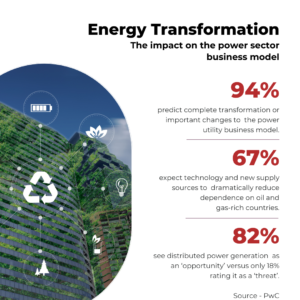
    The energy industry is going through a significant technological transition that will push the limits of the traditional energy delivery systems. In place of conventional fossil fuels, the new wave of technology is offering workable solutions that can maximise how much we use natural resources.

    These innovative options offer intelligent and data-driven solutions that encourage the development of smart infrastructure. These solutions include built-in digital intelligence that is changing how energy is produced, distributed, managed, and stored.

    The establishment of a new consumer model known as “Prosumer”—which depicts a situation where customers produce and consume energy while living outside of direct subsidy—came about as a result of consideration over efficient energy usage and consumer habits.

    The innovation that prompted the advent of energy 4.0

    The energy sector adopted rising tech trends including Internet of Things (IoT), Big Data, Blockchain, Machine Learning, Cloud Computing, and the Digital Twin technology without hesitation after realising the power of cutting-edge technology in other industries.

    The ways in which energy and utility businesses conduct business, connect with their customer bases, and engage with them have all being reinvented by the aforementioned technology. Technically speaking, it has greatly improved operation flow, performance optimisation, and the development of smart grids, better managed renewable energy sources, and cogently distributed power. These technological advancements have consequently led to a fresh round of ideas for integrating technology and the systems that enable it into (new) business models and strategies.

    “Simultaneously, hardware manufacturers and software development companies have been gathering experience in creating and integrating business-driven solutions with huge corporate systems, with an emphasis on internal reliability and ecological safety. As of now, with costs decreasing and technologies growing at an exponential pace, digitalization presents opportunities for Energy 4.0 companies to establish new business models and sustainable strategies of producing and delivering energy” – is stated in a research study conducted by MobiDev.

    The technological empowerment within the industry

    The idea of IoT and its capabilities have been extensively debated during the last ten years. The physical environment may be integrated with computer systems thanks to this intelligent “network of physical devices” that includes sensors, electronics, actuators, and connection resources.

    Energy 4.0 is the adoption of technologies like big data, artificial intelligence, and machine learning to take advantage of sensor data, automation, and machine-to-machine (M2M) communication to enhance operational performance. The industry is well on its way to transforming its operations into a global network of linked, standalone devices that are all delivering digital data to a platform that can gather, process, and share it in real time.

    Transparency within a platform that executes and records transactions is one of a ledger technology’s most potent advantages. Given how frequently assets change hands before a settlement is made, it is also useful for tracking ownership. As all parties are using the same platform, blockchain technology enables transactions like energy trading to be recorded and settled at the minute, without the need for an intermediary and with little to no requirement for reconciliation.

    The use of digital twins is expanding quickly and is becoming increasingly popular as an innovation trend. A digital twin is a depiction of a real-world thing or process that mimics it digitally without really replacing it. The digital twin allows for real-time KPI monitoring by utilising the data collected by an IoT system connected to its physical twin.

    Future energy will be renewable

    We are well on our way to a future where social innovation will integrate renewables into smart grids and produce clean and dependable energy sources, made possible by the digital transformation of the energy sector.

    Consumers are increasingly favouring renewable energy sources, which encourages the energy business to invest in more environmentally friendly technology. Greater opportunities are presented by digital innovation for businesses, consumers, and society as a whole since it motivates them to engage in environmentally friendly energy solutions that lower prices and give them more control over their energy use.