Blog

  • Leveraging AI and ML Services to Enhance Business Efficiency

    Leveraging AI and ML Services to Enhance Business Efficiency

    In an environment where market conditions are volatile and customer preferences are ever-changing, AI and ML services offer advanced automation, predictive analytics, and enhanced customer experiences. 

    These technologies improve decision-making, operational efficiency, and customer satisfaction. As the AI and ML market continues to grow, choosing the right service provider becomes critical. Future trends in AI and ML, such as edge technology, collaborative learning, and ethical AI, promise to further drive innovation and resilience in the market.

    In this blog, we will discuss the benefits, future implications, and the role of AI and ML services in business operations in detail.

    Understanding AI and ML

    Artificial Intelligence (AI) involves creating smart systems capable of performing tasks that typically require human intelligence, such as problem-solving, learning, decision-making, and understanding language. Machine Learning (ML), a subset of AI, focuses on developing algorithms that enable systems to learn from data and improve over time without explicit programming.

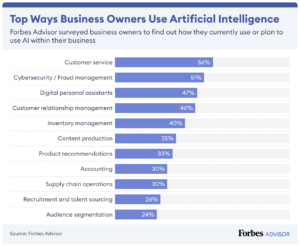
    Understanding the distinction between AI and ML is crucial for appreciating their unique contributions to business operations. Machine learning applications span various sectors, with customer-centric use cases being particularly prevalent. According to a study, 57% of respondents identify customer experience as the primary use case for AI and ML.

    Source

    Below are the differences between Artificial Intelligence (AI) and Machine Learning (ML) in the context of business operations:

    Aspect Artificial Intelligence (AI) Machine Learning (ML)
    Scope Encompasses a wide range of technologies including ML, natural language processing, robotic process automation, and more. Specifically focused on using data to train models and make predictions or decisions without explicit programming.
    Application in Business Can automate complex tasks, provide advanced analytics, enhance decision-making processes, and improve customer interactions. Primarily used for predictive analytics, customer segmentation, recommendation systems, and anomaly detection.
    Data Dependency Can operate with rules-based systems and logical operations, not always data-dependent. Highly dependent on large datasets for training and improving model accuracy.
    Example Use Cases Chatbots, autonomous vehicles, fraud detection, virtual assistants, and personalized marketing. Sales forecasting, customer churn prediction, recommendation engines, and image recognition.
    Implementation Complexity Often more complex to implement, requiring integration of multiple technologies and larger computational resources. Typically involves implementing specific algorithms and models, which can be simpler in scope compared to full AI systems.
    Human Intervention Can function with less human intervention once fully developed, especially in autonomous systems. Requires ongoing human oversight for model training, tuning, and validation.
    Output Interpretation Can provide more comprehensive and context-aware outputs, often mimicking human-like understanding. Outputs are generally predictions or classifications, often requiring human interpretation.
    Adaptability Designed to adapt to a wide range of scenarios and environments, often with built-in learning mechanisms. Adaptability is limited to the scope of the trained data; new scenarios require re-training or additional data.
    Ethical Considerations Broader ethical implications including job displacement, decision transparency, and bias. Primarily concerns around data privacy, algorithmic bias, and the integrity of the training data.

    Benefits of AI and ML on Business Operations

    The adoption of AI and ML services brings numerous benefits to businesses-

    Enhanced Decision-Making

    AI and ML enable organizations to analyze vast datasets in real-time, uncovering patterns and trends that would otherwise remain unnoticed. This capability empowers businesses to make more informed decisions, fostering proactive planning rather than reactive responses.

    Improved Customer Experiences

    Personalization is paramount in today’s customer-centric landscape. Advanced AI algorithms enable businesses to understand customer preferences and behaviors, facilitating tailored recommendations and support. This personalized approach enhances customer satisfaction, loyalty, and ultimately, profitability.

    Operational Efficiency

    AI-driven automation streamlines workflows, ensuring timely delivery of goods and services, predicting potential failures, and detecting fraudulent activities. Such efficiencies minimize costs, reduce errors, and optimize overall business performance.

    Facilitating Innovation

    AI ML technologies facilitate rapid prototyping and market prediction, enabling businesses to identify new opportunities and develop innovative products and services that resonate with dynamic market demands.

    Factors To Consider While Selecting the Right AI ML Services Provider

    The global machine learning market has exhibited robust growth, valued at $15.44 billion in 2021 and projected to reach $209.91 billion by 2029, reflecting a notable compound annual growth rate (CAGR) of 38.8%, as reported by Fortune Business Insights. Additionally, the machine learning platforms market is expected to hit $31.36 billion by 2028, according to Proficient Market Insights.

    Businesses aiming to enhance their operations and productivity must carefully choose their AI ML services provider. Several key factors must be considered:

    • Skills and Knowledge

    Businesses should prioritize providers with deep expertise in their industry and relevant use cases. Experience in executing successful projects can provide valuable insights and customized solutions.

    • Flexibility and Adaptability

    Providers must demonstrate the ability to scale AI and Machine Learning solutions effectively, accommodating future growth and adapting to evolving business needs seamlessly.

    • Maintaining Compliance with Safety

    Ensuring data security and compliance with industry regulations are paramount. Businesses should verify that prospective providers adhere strictly to safety protocols and privacy laws.

    Future implications of AI and ML

    AI and ML have transcended futuristic concepts to become integral in everyday applications, offering solutions to diverse challenges. Yet, the evolution of AI ML services continues, with several future implications:

    • Edge Tech

    Edge technology processes data closer to its source, revolutionizing AI and ML applications by minimizing latency, enhancing real-time analysis, and facilitating decentralized AI and IoT solutions. The global market for Edge AI Tech is valued at approximately $20.39 billion as of 2023.

    • Group Learning

    Collaborative learning methodologies enable teams to train models using decentralized data sources while maintaining privacy and security, fostering innovation in AI model development.

    • Improving AI Ethics

    The growing prominence of AI necessitates a heightened focus on ethical considerations. Organizations must prioritize transparency, accountability, fairness, and bias reduction in AI development and deployment to build public trust and ensure responsible usage of AI services.

    Initiatives like AlgorithmWatch exemplify efforts in promoting explainable and ethical AI practices, ensuring accountable algorithmic decision-making.

    Conclusion

    AI ML services help businesses succeed. They are not just tools but change how businesses work. AI & ML can open new doors and create better things for customers.  At SCS Tech India Pvt, we provide effective AI ML solutions and consultations. We also offer ML development, AI-led applications, and Data support. With our top-notch AI ML services, businesses can expect process automation, improved customer interactions, and enhanced analytics. Contact us to make your business stand out and withstand the impacts of a dynamic market.

  • Implementing Incident Management Software for Effective Disaster Response

    Implementing Incident Management Software for Effective Disaster Response

    Incident management software is a fundamental component in coordinating incident responses across various types of events. Its role is especially crucial in today’s world, where the frequency and intensity of natural disasters have significantly increased compared to the past.

    Effective disaster management, encompassing both natural and man-made incidents, involves substantial risks. A proper response can prevent loss of life, minimize property damage, and facilitate a swift return to normalcy for affected communities.

    This blog discusses the critical importance of Incident Management Software (IMS) in disaster response, detailing its features, benefits, and implementation strategies.

    Understanding Incident Management Software

    Incident Management Software (IMS) is designed to enable organizations to handle emergencies efficiently. This system is essential for reporting, monitoring, and managing incidents across various fields. It acts as a command center for disaster management, integrating functionalities like communication, information dissemination, resource management, data interpretation, and analysis to enhance response rates.


    Understanding Incident Management Software 
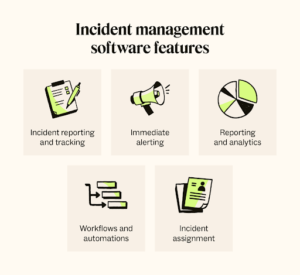
    Feature Characteristics 
    Real-time Communication and Coordination Alert the senders and receivers of data and thus controllers and administrators of responses
    Resource Management  Helps to effectively allocate resources all through a given chain
    Incident Tracking and Reporting  Track and report all the specific occurrences
    Integration with other Systems  Function together with other helpful systems


    Let us identify the salient features of IMS and how an IT infrastructure solution provider can help in detail:

    • Real-time Communication & Coordination

    Disaster response management depends on positive communication hence it is important to adopt effective communication platforms. IMS founded Interactive Distance Education and e-learning tools such as messaging systems, video conferencing, and an alert system. These features alert the senders and receivers of data and thus controllers and administrators of responses coordinate timeously.

    • Resource Management

    Resource management is vital in a disaster and should be managed efficiently for the best results. IMS can be used to track and distribute work such as the distribution of human resources, machinery, facilities, and other materials. It also helps to effectively allocate resources all through a given chain, to ensure that demand for a certain resource in a certain sector is met. 

    • Incident Tracking and Reporting

    Another aspect is the efforts to track and report all the specific occurrences that may have occurred during a particular phase of the incident. IMS allows for the thorough record-keeping of details, maps and the status, which are critical in near-shore and post-impact scenarios.

    • Integration with Other Systems

    Today’s IMS solutions can function together with other helpful systems like a Geographic Information System, Meteo System, and Public Address System. It also gives a holistic approach to the occurrence of incidents when it has been integrated, hence improving the decision-making process.

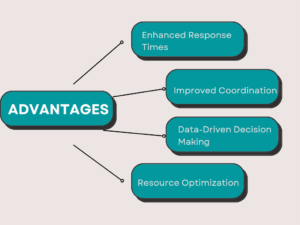
    Advantages of Incident Management Software

    A few of the advantages of incident management software are listed below:

    • Enhanced Response Times

    IMS significantly reduces the time required to respond to inquiries and emergencies. With features like real-time feeds and dispatch options, responders gain rapid situational awareness and can mobilize relevant resources quickly, thereby minimizing the disaster’s impact.

    • Improved Coordination

    Disaster response often involves multiple agencies and organizations. IMS facilitates better coordination among these entities by providing a shared platform for communication and resource management. This common ground improves the overall efficiency and effectiveness of the response.

    • Data-Driven Decision Making

    Disaster response often involves multiple agencies and organizations. IMS facilitates better coordination among these entities by providing a shared platform for communication and resource management. This common ground improves the overall efficiency and effectiveness of the response.

    • Resource Optimisation

    IMS helps organizations optimize the utilization of their resources. By keeping track of available human resources, equipment, and materials, IT solutions like IMS ensures that resources are used efficiently and effectively. This optimization minimizes resource wastage and ensures timely emergency responses.

    Implementing Incident Management Software

    By keeping in mind the following aspects, we can successfully implement incident management software:

    • Assessing Organisational Needs

    Before one can start to implement IMS certain prerequisites need to be met. It’s about determining the kind of incidents that will be claimed, the tools to be used, and other systems that IMS will be interfacing with. The choice of the software and its features will be informed by the needs of the organisation undergoing the audit.

    • Selecting the Right Software

    In the present world market, there are numerous IMS solutions available with their advantages and disadvantages. Choosing the right software might be based on characteristics such as convenience, capacity for expansion, compatibility with other systems, and the availability of further services. 

    • Customise and Integrate the System

    If an IMS solution has been chosen, the next step is to make it compliant with your specific needs. You need to adopt the applications to meet the unique requirements of your company and its business management. Also on dependability, the ability to interface with other systems is important for the response functions.

    • Training and Drills

    IMS, from the prospect of their implementation, is not only a question of technology but rather of people as well. Make sure all users who are expected to be on the system are trained well on how to handle it. Essential frequent exercises also include drills and simulations. Both assist in evaluating the performance of the system and examining the level of awareness of the responders.

    Conclusion

    The application of Incident Management Software can be considered as a key strategy to strengthen the resilience of an organisation in the face of disaster situations. Through enhanced communication, resource dispatch and other analytical solutions, IMS enhances real-time reactions and responses to emergencies. 

    We, at SCS Tech India PVT Ltd offer leading-edge, advanced software IT infrastructure solutions for managing incidents and ensuring smooth, efficient operations. Our exceptional technologies are designed for swift and efficient responses to critical events. Our software provides real-time data, communication systems, and automated workflows to enhance emergency planning and enable quick, efficient actions by the emergency teams. 

    Contact us today to boost your organisation’s disaster management capabilities, increasing your safety and preparedness for any emergency.

  • Custom Cybersecurity Solutions for Protecting Digital Assets

    Custom Cybersecurity Solutions for Protecting Digital Assets

    Various solutions for protecting digital assets with the help of custom cybersecurity 
    In today’s interconnected digital landscape, the concept of digital assets has evolved beyond conventional boundaries, encompassing a vast array of valuables ranging from cryptocurrencies to sensitive financial data and proprietary information. As staggering statistics reveal, approximately 865 million individuals globally engage with digital assets, with a significant majority, 95%, navigating the complexities of crypto-assets.

    This surge underscores not only the pervasive adoption but also the critical need for robust cybersecurity solutions to safeguard these assets against an ever-evolving array of cyber threats.

    As many business operations are shifting to online platforms, digital assets have become not just valuable but also vulnerable to hacks and cyber threats. For such reasons, keeping digital assets well-protected is paramount. Doing so will let companies maintain business continuity, preserve the company’s reputation, and protect all sensitive data. 

    To make sure that the digital assets are safe, you must opt for some effective cybersecurity solutions, which we will be discussing in this blog.

    Best Cybersecurity Solutions to Safeguard Digital Assets

    The digital asset market will surely expand by 8.77% (2024-2028), which will lead to a market volume of $112100.00m. Despite all that, keeping them safe from unwanted cyber-attacks will be highly advantageous for all businesses.

    In this section, you will find out about some of the best  Custom Cybersecurity solutions, which will let you keep all your digital assets protected from online threats.

    Perform Cybersecurity Audits

    When planning for a risk prevention plan, you should begin by performing a cybersecurity audit. It’s because that’s the best way to discover all the risks and vulnerabilities your organization might experience.

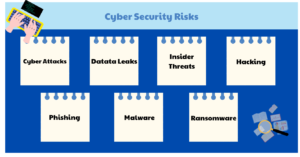
    During the auditing session, you should look out for all cyber threats and dangers that might disrupt financials, sensitive information, data loss, or business operations. You should rank all the risks as high, medium, low and level zero.

    Apart from that, there are some other dangers that you should flag while conducting the cybersecurity audit for your business:

    • Cyberattacks
    • Data Leaks
    • Insider Threats
    • Hacking
    • Phishing
    • Malware
    • Ransomware

    If performing a cybersecurity audit is quite overwhelming for you or you don’t know how to get it done, speak with a cybersecurity professional. Make sure to have protocols in place for all future audits.

    Virtual Desktops

    Virtual desktops provide a native-like experience while being hosted from a secure data center or cloud environment.

    When you utilize this type of desktop, you should opt for powerful monitoring solutions like “RDP Monitoring Software” that will track down user activities and also let you securely access information.

    Virtual desktops are ideal for individuals who don’t want to provide the equipment to their team physically. Some of the popular cloud-based desktops are Azure Virtual Desktops and Amazon WorkSpaces.

    Safe Management of Passcode

    Frequent password updates can pose challenges for team management. When you’re tired of finding the best ways to share logins with the team, you should use password management tools, such as “LastPass”. This tool will let you share, generate, manage and store passcodes with the team through SSO or single sign-on.

    Activating Cloud-Based Workflows

    The cloud-based workflows are perfect for all the cross-functional teams as they will increase their productivity. That’s not the only thing these workflows are known for. They can also safeguard the business-related processes by saving all the real-time updates.

    Through cloud-based workflows, you can save all the processes and tasks in the cloud. That way, you can reduce the chances of data loss and cyber threats.

    In contrast to traditional setups where data loss can occur if your local device unexpectedly shuts down during work, cloud-based workflows ensure all your work is securely stored and accessible from any device with an internet connection.

    The DAM [Digital Asset Management] Solution

    This particular solution will protect all the images and let you organize the digital asset library correctly. DAM solution can also let you manage the copyright of the stocks that you purchased and offer watermarking options.

    This will prevent the business-owned pictures from getting plagiarized. The DAM solution will provide user permissions, letting only the authorized members access all the information.

    Using vs Not Using Cybersecurity Solutions to Protect Digital Assets

    In this section, you will find out what happens when you use vs. don’t use custom cybersecurity solutions to keep digital assets safe. The table below will provide a proper explanation.

    The Category Using the Cybersecurity Solutions Not Using Cybersecurity Solutions
    Operational Efficiency Enhanced through the safe and streamlined methods Lessened because of all the security-related problems
    Chances of Data Breaches Greatly lessened because of preventive measures. Extremely high since the vulnerabilities are exploitable
    Reputation Management Improves the reputation and trust of the stakeholders Loss of consumer trust and causing reputational damage
    Identify All the Threats Offers responses and detection to threats Pretty slow, which can keep all the breaches undetected
    Business Continuity Assured via disaster recovery and backup solutions Changes in data loss and higher downtime
    Data Confidentiality and Integrity Maintaining it with access controls and encryption Gets compromised because no protective plans
    Incident Response Effective and rapid with all pre-defined response plans Chaotic and delayed, causing greater recovery time and
    Regulations and Compliances Following all the industry standards (PCI-DSS, HIPAA) Non-compliance will lead to financial and legal penalties

    Conclusion

    Opting for result-driven custom cybersecurity solutions will let all businesses secure their digital assets, prevent damage to reputation, and increase operational efficiency. This is exactly what we at SCS Tech India Pvt Ltd do for all our customers.

    We not only offer top-notch custom cybersecurity solutions but also services like cloud computing, blockchain solutions, robotic process automation, and so on. To find out more about us, get in touch with our experts right away!

  • Digital Transformation and Cybersecurity: Mitigating Risks in the Digital Era

    Digital Transformation and Cybersecurity: Mitigating Risks in the Digital Era

    The digital transformation is in full swing, and the pace at which companies are moving to the age of automation, cloud services, and smart things seems unstoppable. As we have seen, this digital transformation, which propels efficiency, superior customer experiences, and competitive advantage, has given birth to a vast digital landscape teeming with opportunities for exploitation.

    Cyber criminals come up with more sophisticated modes of attack as new technologies emerge, this increases new avenues of attack. To adapt to such an environment, there is a clear need for organizations to focus on and uphold strong cybersecurity. 

    By employing carefully devised measures to manage risks and prevent adverse occurrences, companies can safely preserve vital information needed to sustainably advance digital transformation initiatives. Effective risk mitigation demands a holistic approach to cybersecurity, embedding robust security practices into every facet of digital transformation. 

    This blog offers insights into the critical interplay between digital transformation and cybersecurity, highlighting strategies to protect organizational assets and ensure a secure, resilient digital future.

    The Risks of Digital Transformation

    Digital transformation often involves:

    Cloud adoption

    This resulted in new considerations to data and application security when migrating them to the cloud since the cloud provides scalability and agility.

    Increased reliance on interconnected devices

    The use of IoT increases risks, as the number of connections and points of attack possibilities increases.

    Integration with third-party applications

     When using extensions one can also create loopholes through which unauthorized persons can access the network in case adequate measures have not been taken.

    Evolving business models

    New digital initiatives can bring new and unforeseen security threats to the floors which need to be addressed based on the current security measures.

    These factors contribute to a vast and dynamic landscape of potential targets for hackers and cyber attackers. Cybersecurity threats such as stolen data, malicious software invasions, and ransomware threats are a risk for business entities that participate in the digital transformation.

    Strategies for Mitigating Cybersecurity Risks

    Altogether despite these challenges, they are not challenges that cannot be overcome. Therefore, with an effective proactive cybersecurity plan in place, organizations can deal effectively with the challenges present in the connected business world. 

    Security by Design

    To mitigate risk in the context of digitalization, it is crucial to apply security concerns to every step of the process of transformation. Ensure an adequate level of security before integrating solutions and technologies into an organization.

    Zero Trust Architecture

    Adopt a Zero-Trust approach concerning the IT environment, thereby requiring the validation of every user and endpoint attempting to connect to the network no matter their location.

    Continuous Monitoring and Threat Detection

    Take cybersecurity to another level by employing security solutions for permanent vigilance of systems and networks. Invest in threat intelligence to keep up with emerging different threats that are common nowadays.

    Data Security and Encryption

     Formulate strong data security measures such as data encryption and proper access control measures. Always backup your important data and the company should have a disaster recovery plan.

    Employee Awareness and Training

     Most organizations must train employees as initial responders in case of a cyber threat. Ensure that the employees undergo constant security awareness training to inform them about the existing security hazards and how to prevent them from happening.

    Prioritize Patch Management

     It is also important to always update software and firmware on all the devices and systems to cover for the several cracks that the hackers may be liable for.

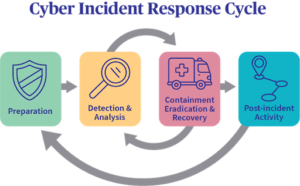
    Incident Response Planning

    Explain the guidelines of the incident response programs that consist of steps of how to detect, respond to, and deal with cyber incidents.

    To learn more about the security tips to avoid cyber breaches, visit this link.

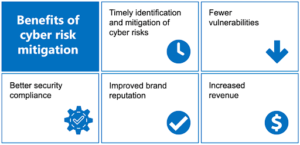
    The Future of Digital Transformation: Security as a Competitive Advantage

    When cybersecurity is being given due consideration during the process of digital business transformation, companies not only protect themselves from more dangers but also gain an edge. Here’s how:

    Enhanced Brand Reputation

    Establishing and practicing a strong cybersecurity ethic from a company helps establish customer and partnering trust.

    Improved Business Continuity

    A good cybersecurity positioning keeps an organization from experiencing disruptions in business due to cyber incidents.

    Compliance with Regulations

    Various types of industries have some specifics regarding the protection of data privacy. Adopting sound cybersecurity controls can play a significant role in enabling organizations to address these regulations.

    Innovation and Growth

    Practical security solutions create the right environment that enables organizations to adapt to emerging technologies and foster digital transformation.

    Investing in a Secure Future

    The opportunities of the digital environment are vast and the world has not yet witnessed the full potential of the digital environment but, as we know it, along with these opportunities there are prevailing and growing threats of cyber security threats. Therefore, in undertaking the digital transformation journey, businesses have to be aware of these risks and then design a strong cybersecurity approach to counter them.

    Stay ahead in the digital era by prioritizing cybersecurity in your digital transformation journey. We offer digital transformation services and expert solutions to safeguard your organization against emerging threats. Contact us today to learn how we can help you build a secure and resilient digital future.


  • Overcoming Challenges: Implementing Robotic Process Automation Successfully

    Overcoming Challenges: Implementing Robotic Process Automation Successfully

    Implementing Robotic Process Automation (RPA) presents transformative opportunities for businesses aiming to streamline operations and enhance efficiency. When you think of a world in which every worker never gets tired and can do repetitive tasks with zero mistakes. RPA is no different, as it carries a similar tagline and guarantees businesses solutions that will make them run smoother and cost less. Sadly, the road towards RPA realization is not always lined with rainbows and butterflies. However, achieving successful RPA integration requires navigating a range of challenges, from selecting appropriate processes for automation to managing change within the organization. 

    Therefore, overcoming these technical difficulties such as process mapping, API integration, and error handling would create the foundation for RPA, thereby ensuring the achievement of excellence in automation.

    This blog delves into the strategies and best practices essential for overcoming these hurdles, providing a roadmap for harnessing the full potential of RPA to drive operational excellence and innovation.

    Challenges of Robotic Process Automation Implementation

    Even though RPA has great potential, a few challenges may hamper the successful implementation of RPA.

    Process Inefficiency

    It is crucial not to automate an inefficient process, as it makes pre-existing issues worse. A process in its optimal state should first be designed and structured to allow the technology in robotic process automation to work as efficiently as possible.

    Inadequate Skills and Resources

    Lacking a team of competent workers who have specialized in process analysis, RPA technology, and change management will be a letdown when it comes to implementing RPA. Lack of such skills may be a definitive threat to the success of the project.

    Integration Issues

    RPA bot integration with IT is possible, and companies may face some challenges while integrating bots with other systems of the enterprise. There are compatibility and data security issues that may hamper its proper functioning to be addressed.

    Resistance to Change

    Workers may fear that as automation advances, the job market will shrink and cut out positions for people to fill. Through discussions concerning training, communication, and emphasis programs that seek to reskill staff, incidences of resistance and non-adoption can be reduced.

    Data Security and Governance

    The important thing to note is that even in most RPA processes, the use of personal data is inevitable. To reduce security risks, it is essential to use prepared security measures, such as user rights, data security, and controls, as well as security updates and scans.

    Overcoming the Obstacles: A Roadmap to Successful RPA Implementation

    By proactively addressing these challenges, you can pave the way for a successful RPA implementation:

    Define a Clear Strategy

    Begin by developing an effective and strategic RPA framework. Suggest measurable and achievable objectives, determine the areas that could be best suited to automation, and carefully analyze the ROI.

    Focus on Process Optimization

    When using RPA as part of the robotic process automation strategy, it is crucial to assess the process to be automated and enhance it to achieve the best results with minimal glitches.

    Build a Strong Team

    Constitute a team with the ability to complete the project as planned. If the company does not have a strong internal team, then it might be a wise decision to hire RPA specialists or outsource the task to a provider that has the necessary experience.

    Prioritize Integration

    Assess existing functionalities and ensure the selected RPA tools are compatible with the IT infrastructure. Create a sound integration plan and work on integration issues especially those of data security.

    Embrace Change Management

    User adoption is crucial to every RPA implementation plan and strategy. One should ensure that change management practices such as communication, training, and tackling employee issues are exercised and should talk about how RPA will enable higher-value work.

    Start Small and Scale Up

    First, try to establish a well-understood, low-risk process to illustrate the potential of RPA and gain trust. Once you hit the initial levels of success, it is possible to invest in better systems to handle more advanced tasks.

    Moreover, A McKinsey report published in 2023 shows that 80% of executives interviewed argued that automation would likely disrupt their organizations and industries by 2030. This raises a bar showing the gradual realization that RPA is indeed a plausible way of enhancing productivity, minimizing errors, and enhancing staff happiness.

    The Benefits of Successful Robotic Process Automation Implementation

    By overcoming these challenges, you can discover the true potential of RPA and experience a range of benefits:

    Increased Efficiency

    Robotic process automation can work on monotonous tasks to reduce the burden on employees and utilize their time on more significant responsibilities. This means there is increased efficiency and hence better results are achieved.

    Reduced Errors

    RPA bots offer a means of reducing manual errors to enhance data credibility and procedures’ quality.

    Enhanced Employee Satisfaction

    Hounding routine tasks means employees can engage in more complex and interesting work to enhance their work satisfaction.

    Cost Savings

    Less time is required for processing, fewer mistakes occur, and the functioning of organizational processes becomes more smooth; all of these factors lead to decreased organizational costs.

    Improved Customer Satisfaction

    More efficiency and fewer mistakes mean shorter times while fulfilling orders and better interactions with customers.

    To learn about how these RPA Services are implemented, visit this link.

    Investing in Your Future – Embracing RPA for Success

    Robotic Process Automation is not an ultimate solution, but when effectively managed, it is a powerful tool for change. Likewise, when considering the challenges, following the guidelines of the recommended actions, and shifting towards the adoption of a user-centered strategy, one may integrate RPA into an organization and experience the benefits of a more efficient, productive, and prospective business.

    Get in touch with us to know more about how you can implement intelligent automation by utilizing the expertise of RPA tools and automation services


  • The Impact of eGovernance Solutions on Government Efficiency

    The Impact of eGovernance Solutions on Government Efficiency

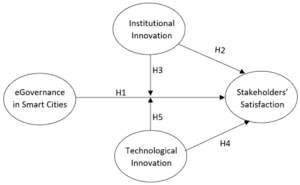
    Amidst the global surge of globalization, citizens worldwide are increasingly cognizant of their rights, pressing for transparency and efficiency from their governing bodies. To meet these burgeoning demands, traditional structures are no longer found ill-equipped to meet these burgeoning demands for streamlined public service delivery.

    In this dynamic landscape, the imperative for innovative models and systems like eGovernance has never been more pronounced. eGovernance solutions have fundamentally heralded a seismic shift in the efficiency and efficacy of governmental operations.

    This blog serves as a dedicated exploration into the transformative power of eGovernance solutions, illuminating how these advanced technologies redefine organizational performance, drive cost-efficiency, and ultimately shape a government sector that is not just efficient but also citizen-centric.

    Unveiling the Efficiency Powerhouse: eGovernance Solutions

    E-Governance, also called digital governance, focuses on using Information and Communication Technology to improve governmental processes, enhance transparency, and handle its operations and services. This encompasses a wide range of solutions, including:

    Online portals

    These simplified and easily accessible platforms create an opportunity for citizens to receive information and perform various tasks at any time. Whether it is getting a renewed license or applying for a permit, online portals enable citizens to do so as and when they want to do it.

    Data management systems

    Due to an intervention of an eGovernance solution, data is captured across departments to form a coherent database. This results in greater efficiency in handling requests, quick decision-making, and proper utilization of resources.

    Mobile applications

    Now that people are busier than ever, mobile apps are a useful way for citizens to interact with their government remotely. It can be very helpful for rural areas or those with little or no internet access in particular.

    Electronic Document Management (EDM)

    These are systems that help in the production, storage, and retrieval of documents. This cuts out paper-based systems, which reduces the time, money, and physical space required to store equipment.

    How eGovernance Solutions Enhance Efficiency?

    To understand it better let’s talk about India where the use of digital identification called Aadhaar has transformed the government services delivery system. Aadhaar verification has ensured that those in need of the welfare programs get the support they need through the right channels hence minimizing fraud instances and enhancing the targeting and delivery of social goods. According to estimates by the World Bank, Aadhaar saved over $1 billion of the Indian government’s expenses within a few years of its usage.

    Now let’s discuss in detail about how exactly eGovernance solutions enhance efficiency:

    Reduced Administrative Burden

    The eGovernance solutions replicate functions to reduce paperwork and manual data entry jobs. This saves considerable staff time, so they can handle many other issues and deliver better service to their customers.

    Faster Service Delivery

    By performing transactions online through different applications and portals, citizens can access the services without a problem. This has the effect of cutting the time clients spend waiting and enhancing service provision.

    Improved Decision-Making

    The experience gathered from the eGovernance systems helps governments to make decisions based on data analysis on current or real-time performance. It further helps in the efficient utilization of resources and the proper formulation of policies.

    Enhanced Transparency and Accountability

    One of the very important features of implementing eGovernance is that it provides citizens with easy access to government data and information. This also promotes honesty and efficiency in the public sector as the accountability is shifted to the citizens.

    Even though efficiency is a primary benefit, eGovernance has ripple effects. These solutions promote government-citizen interaction, cut down on government expenditure through the use of technology, and increase favorable conditions for businesses leading to an improved economy.

    The Road Ahead: Embracing the Future of Governance

    E-Governance is not a one-bullet solution; instead, it is an evolutionary model. While embracing the best practices in this field, eGovernance solutions must also adapt to the changes that accompany the progression of technology. Through incorporating innovation and encouraging learning within governmental organizations, governments need to be flexible to meet the continually demanding needs of the citizens within the digital era.

    Investing in eGovernance Solutions: A Wise Choice for a Brighter Future

    It is not only about the realization of eGovernance solutions but also about the creation of future governance landscapes. Technology, when adopted fully in the governance processes, provides a more efficient, accountable, and participative society. This, in turn, helps to strengthen the trust between the citizens and their government, which is the key to a better life and a more sustainable future.

    By investing in eGovernance solutions, governments can create a more efficient, transparent, and citizen-friendly environment.

    Contact us today to learn how SCS Tech India’s tailored solutions can enhance public sector service delivery.

  • Role of AI in Agriculture & Technology – An Expert Overview!

    Role of AI in Agriculture & Technology – An Expert Overview!

    Agriculture, an indispensable pillar of our civilization, stands at a pivotal crossroad, brimming with opportunity amidst escalating challenges of nourishing billions and navigating the constraints of limited resources and climate changes. The Food and Agriculture Organization (FAO) projects that food production must double by 2050 to sustain an anticipated 9.1 billion people.

    In response to this staggering demand, the agricultural sector is embracing cutting-edge innovations, particularly in the realm of technology. At the forefront of this transformation is Artificial Intelligence (AI), driving the evolution of Precision Agriculture. AI’s advanced capabilities offer practical solutions to longstanding agricultural challenges, enhancing efficiency, sustainability, and productivity.

    This expert blog will delve into the pivotal role of AI in agriculture & technology, highlighting how this technology is reshaping farming practices and setting the stage for a more resilient and prosperous agricultural future.

    Power of AI in Precision Agriculture

    Artificial Intelligence (AI) in agriculture represents a significant leap forward in farm management and decision-making. AI encompasses advanced computer systems capable of learning, predicting, and optimizing to meet specific objectives. For farmers, this means unprecedented levels of insight and control over their operations.

    Here’s how AI is revolutionizing precision agriculture:

    Data-Driven Decision Making

    AI can retrieve a lot of information from different sources, such as weather, the state of the soil, and crops, through sensors. It assists in defining some pivotal characteristics in farming, for instance, when it is the best time to plant something, when it is possible to water the fields, and what concentrations of fertilizers have to be used.

    Enhanced Crop Monitoring and Disease Detection

    Some examples of the application of AI services in progressive agriculture methods would be image identification through imagery captured by drones or satellites that signals the early signs of diseases or pests. This becomes possible for the management of pests and thereby minimizes crop losses, as well as the utilization of wide-spectrum insecticides.

    Precision Irrigation Techniques

    Today, there are some possibilities for regulating irrigation systems with the assistance of real measurements of humidity and local prognosis of the weather. This is an advantage since it ensures that crops will only require the right amount of water to grow, and this reduces the wastage of this resource.

    Yield Prediction and Risk Management

    AI models are in a position to help you analyze the data and the condition to predict the yield outcome. It enables farmers to organize themselves more effectively, especially in the storage, transportation, and marketing of the produce. Also, it makes it possible to determine probable risks, which are connected with weather events, and make recommendations, which would help to minimize the impact of potential risks.

    One of the real-world examples to showcase the transformative potential of AI in precision agriculture is The Bayer FieldView Platform, which involves combining data from different platforms and a set of AI-generated analytics to present the farmers with essential information concerning soil quality, crop quality, and prevailing weather conditions. This makes it easy for them to manage efficiencies at the production in a data-driven manner.

    Beyond Efficiency: The Ripple Effect of AI in Agriculture

    The benefits of AI services in precision agriculture extend far beyond increased efficiency and yield:

    Improved Sustainability

    AI promotes the optimum use of resources by reducing the use of water, chemical fertilizer, and pesticides. This, in turn, leads to the improvement of farming technology and, at the same time, encourages environmentally friendly methods of farming.

    Reduced Food Waste

    With the help of artificial intelligence, farmers can find out when they should harvest their crops properly and store them in storage and transportation; this will help reduce wastage. This is because only food that meets the required quality standards is allowed to get to the consumer, and therefore, there is enhanced food security in the world.

    Empowering Smallholder Farmers

    Artificial intelligence is now trending and scalable to even smallholder farmers to capture the benefits of this type of technology. This may help them come to an informed decision, increase their yield, and get better access to markets.

    Creating a Data-Driven Future

    If one then considers the progression of AI services in agriculture & technology, it is critical to acknowledge the fact that the agricultural industry will benefit from a large amount of extremely valuable data. It, therefore, can be utilized to enhance the performance of AI models, which, with time, will help come up with even better solutions to future problems.

    The Future of Agriculture is Intelligent: A Call to Action

    The application of AI in farming is not the work of the distant future but rather the future that is already on the way. Thus, it is essential to acknowledge the possibilities of applying AI services to identify issues in the field of agriculture and construct a foundation for innovative and effective farming. Using the convergence of agriculture & technology will pave the way for a more prosperous and sustainable farming future.

    Are you looking to join the bandwagon of AI transforming agricultural operations? Contact us today to discuss your unique needs and learn how our AI solutions can boost your farm’s efficiency and profitability.

  • How Digital Transformation Services Are Reinventing Customer Experiences

    How Digital Transformation Services Are Reinventing Customer Experiences

    In today’s digital era, businesses are undergoing transformative changes fueled by digital technologies. Central to this shift is digital transformation – a strategic approach that integrates digital tools to enhance operations and customer experiences. In this blog, we’ll explore how digital transformation services are revolutionizing customer experiences, empowering businesses to create personalized, seamless interactions that drive loyalty and growth.

    1. Understanding Digital Transformation:

    Digital transformation goes beyond technology upgrades; it’s a holistic approach to redefining how businesses operate and engage with customers. It involves embracing innovation and agility to adapt to the evolving digital landscape.

    Think of it as more than just upgrading your software or implementing new tools. It’s about embracing a mindset of innovation and agility, where businesses continuously evolve to meet the changing needs and expectations of customers in the digital age.

    By leveraging technologies like AI and data analytics, businesses streamline operations, gain insights, and deliver personalized experiences. Digital transformation is about staying ahead, embracing change, and meeting customer expectations in a digital world.

    2. The Evolution of Customer Experiences:

    In the digital age, customer expectations have undergone a significant transformation. Gone are the days of traditional interactions; today’s consumers expect seamless, personalized experiences across all touch points. This shift is driven by advancements in technology and the widespread adoption of digital channels, which have empowered customers with greater choice and convenience.

    Businesses must adapt to this new reality by embracing digital transformation to meet the evolving needs of their customers. By leveraging data insights and technology-driven IT solutions, businesses can create tailored experiences that resonate with their audience, fostering loyalty and long-term relationships.

    3. Leveraging Digital Transformation Services:

    Digital transformation services play a pivotal role in helping businesses navigate the complexities of the digital landscape and elevate their customer experiences. These services encompass a wide range of capabilities, including data analytics, AI-driven personalization, and omnichannel integration, designed to enhance customer engagement and satisfaction.

    By partnering with digital transformation service providers, businesses gain access to expertise and technologies that enable them to deliver seamless, personalized experiences across all touch points. From analyzing customer data to automating processes, these services empower businesses to stay ahead of the competition and meet the ever-changing demands of their customers.

    4. Personalization and Customer Insights:

    Personalization has become a cornerstone of modern customer experiences, and digital transformation services enable businesses to deliver tailored interactions that resonate with their audience. By harnessing the power of data analytics and AI, businesses can gain valuable insights into customer behavior and preferences, allowing them to create hyper-targeted campaigns and offers.

    Furthermore, digital transformation companies enable businesses to go beyond surface-level personalization by anticipating customer needs and proactively addressing them. Whether it’s recommending products based on past purchases or providing relevant content at the right time, personalized experiences foster deeper connections and drive customer loyalty.

    5. Seamless Omnichannel Experiences:

    In today’s digital landscape, customers expect a seamless experience across all channels, whether they’re browsing online, using a mobile app, or visiting a physical store. Digital transformation services enable businesses to integrate these channels into a cohesive omnichannel strategy, ensuring consistency and continuity throughout the customer journey.

    By leveraging omnichannel capabilities, businesses can provide customers with the flexibility to interact with their brand wherever and whenever they choose. Whether it’s starting a transaction online and completing it in-store or receiving personalized recommendations across multiple touchpoints, seamless omnichannel experiences foster customer satisfaction and loyalty.

    6. Enhancing Customer Engagement and Satisfaction:

    Digital transformation companies empower businesses to engage with customers in meaningful ways, fostering stronger relationships and driving satisfaction. Through innovative strategies such as interactive content, chatbots, and social media listening, businesses can connect with customers on a deeper level, addressing their needs and preferences in real-time.

    Furthermore, these services enable businesses to gather feedback and insights from customers, allowing them to continually refine and improve their offerings. By actively listening to customer feedback and responding promptly, businesses can demonstrate their commitment to customer satisfaction and build a loyal customer base.

    Conclusion:

    In today’s digital landscape, customer experiences play a pivotal role in shaping the success of businesses. Digital transformation services have emerged as a key enabler in redefining these experiences, empowering businesses to deliver personalized, seamless interactions that drive satisfaction and loyalty.

    By leveraging advanced technologies and data-driven insights, businesses can gain a competitive edge and stay ahead in the ever-evolving market. As we look to the future, the importance of digital transformation services in enhancing customer experiences will only continue to grow, driving innovation and fueling business growth.

    Ready to transform your customer experiences with digital transformation services? Contact us today to learn how SCS Tech India’s tailored IT solutions can help elevate your business in the digital age!


  • What Sets Leading Machine Learning Companies Apart in Today’s Market?

    What Sets Leading Machine Learning Companies Apart in Today’s Market?

    In today’s rapidly evolving business landscape, integrating machine learning technologies has become paramount for companies striving to stay ahead of the curve. Machine learning, a subset of artificial intelligence (AI), empowers systems to learn from data and make predictions or decisions with minimal human intervention. As businesses increasingly grasp the transformative potential of machine learning, the demand for proficient and innovative machine learning companies has surged.

    In this blog post, we’ll explore machine learning and what sets leading companies apart in today’s competitive market. From expertise and innovation to customized solutions and a commitment to quality, we’ll uncover the key factors that distinguish top-tier machine learning companies.

    AI in business

    Expertise and Innovation in Machine Learning

    Leading machine learning companies stand out due to their unparalleled expertise and commitment to innovation. With seasoned professionals skilled in algorithms, data analysis, and software development, these companies tackle complex challenges with precision.

    Innovation is a hallmark of top-tier machine learning firms. These companies invest in research, collaborate with academia, and engage in knowledge-sharing communities to pioneer new solutions. By staying abreast of trends and anticipating market needs, these companies spearhead transformative change in AI services and machine learning.

    Range of AI/ML Services Offered

    Leading machine learning companies provide various ai services tailored to meet diverse client needs. These firms provide comprehensive solutions, spanning from predictive analytics to natural language processing and computer vision. They enable businesses to glean insights, automate processes, and make data-driven decisions.

    Focusing on continuous innovation, these companies stay ahead of emerging challenges and opportunities, empowering clients to thrive in the digital age.

    Customized Solutions for Business Needs

    Leading machine learning companies excel in providing tailored solutions to meet each client’s unique requirements. These firms design solutions that drive tangible business outcomes by conducting thorough assessments and understanding specific challenges. With a focus on scalability and flexibility, they ensure their solutions adapt to evolving needs, fostering long-term success.

    Commitment to Quality and Performance

    Top-tier machine learning companies prioritize delivering high-quality solutions that exceed client expectations. They maintain rigorous standards throughout development, ensuring accuracy, reliability, and scalability.

    By leveraging robust testing methodologies and quality assurance protocols, these companies validate the performance of their solutions and identify any potential issues or optimizations. This commitment to quality ensures that clients receive reliable and efficient machine-learning solutions that meet their business objectives.

    Furthermore, leading machine learning companies are dedicated to ongoing performance optimization. They continuously monitor and analyze solution performance, identifying opportunities for improvement and innovation. By staying proactive and responsive, these companies ensure that their solutions remain at the forefront of technological advancements and deliver optimal client results.

    Client Success Stories and Testimonials

    Leading machine learning companies showcase their expertise and effectiveness through client success stories and testimonials. These stories highlight real-world applications of their solutions, demonstrating their tangible benefits to businesses across various industries.

    Top-tier machine learning companies offer prospective clients valuable insights into the effectiveness and reliability of their services by sharing success stories and testimonials.Clients’ firsthand accounts of the impact of machine learning solutions on their operations serve as compelling endorsements, instilling confidence in potential clients and reinforcing the company’s credibility.

    Furthermore, success stories and testimonials are powerful marketing tools, enabling machine learning companies to differentiate themselves from competitors and attract new clients. They demonstrate a track record of delivering results and showcase the company’s ability to address diverse challenges and deliver measurable outcomes.

    Conclusion

    In conclusion, leading machine learning companies set themselves apart in today’s market through their expertise, innovation, commitment to quality, and client-eccentric approach. These companies drive business success and foster innovation across industries by leveraging cutting-edge technologies and customized solutions.

    As businesses navigate the complexities of AI services and machine learning, partnering with a trusted and reliable machine learning company becomes essential. By focusing on factors like expertise, innovation, and dedication to quality, businesses can select a partner that aligns with their objectives and enables them to leverage the complete potential of machine learning.

    In an era increasingly defined by digitalization and data, machine-learning companies are pivotal in propelling innovation and shaping the future of business. By embracing AI services and machine learning’s capabilities, businesses can unlock new opportunities, drive efficiency, and stay competitive in today’s dynamic market landscape.

    Ready to harness the power of machine learning for your business? Explore SCS Tech India’s AI/ML services and discover how we can help you achieve your goals. Contact us today to schedule a consultation!


  • The Role of GIS in Natural Disaster Management

    The Role of GIS in Natural Disaster Management

    For business owners, preparing for natural disasters is paramount to safeguarding their operations and employees. That’s where Geographic Information Systems (GIS) come into play.

    In this blog, we’ll explore how geographical information system software, especially the solutions offered by companies in India, plays a vital role in disaster management. It provides invaluable support, from predicting where disasters might strike to guiding emergency responses.

    Join us as we uncover how GIS can empower businesses to protect their assets and ensure continuity during natural calamities.

    Understanding GIS and Its Applications in Natural Disaster Management

    Natural disasters can have devastating effects on communities and businesses alike. However, geographical information system software offers a powerful tool set to help mitigate these risks and manage the aftermath more effectively.

    What is GIS?

    At its core, GIS is a technology that captures, analyzes, and presents spatial or geographical data. This includes information such as maps, satellite imagery, and geographic coordinates.

    Applications in Disaster Management

    GIS plays a crucial role in various stages of disaster management:

    1. Prevention and Preparedness: Geographical information system software helps authorities identify risks and develop mitigation strategies by mapping potential hazards, vulnerable areas, and critical infrastructure. For example, it can be used to map flood zones, earthquake fault lines, and areas prone to wildfires.
    2. Response and Relief: it enables real-time monitoring and coordination of response efforts during a disaster. Emergency responders can use GIS to track the movement of a hurricane, identify affected areas, and deploy resources where needed most. GIS also helps establish temporary shelters, evacuation routes, and medical facilities.
    3. Recovery and Reconstruction: After the disaster has passed, it plays a vital role in assessing damages and planning reconstruction efforts. By mapping out the extent of destruction, it helps prioritize areas for recovery and allocate resources effectively. Additionally, it aids in monitoring environmental impacts, such as soil erosion or pollution, and planning restoration projects.

    GIS Methods to Predict Natural Disasters

    GIS technology is crucial in predicting and forecasting and in natural disaster management, enabling proactive decision-making and resource allocation.

    1. Remote Sensing and Satellite Imagery: geographical information system software utilizes satellite imagery to monitor environmental changes and indicators of impending disasters.
    2. Modelling and Simulation: it models analyze historical data and environmental factors to forecast hurricanes, floods, and landslides.
    3. Early Warning Systems: it integrates real-time data to develop early warning systems for timely alerts and proactive measures.

    Real-Time Monitoring and Response with GIS

    Timely response to natural disasters is critical for minimizing damage and saving lives. GIS technology enables real-time monitoring and coordinated response efforts.

    1. Data Integration: GIS platforms integrate real-time data from various sources, providing up-to-date insights into evolving disaster scenarios.
    2. Situational Awareness: it visualizes critical information on interactive maps, enhancing situational awareness for emergency response teams.
    3. Resource Allocation: it helps prioritize response efforts by efficiently identifying areas at the most significant risk and allocating resources.
    4. Coordination: it facilitates collaboration among multiple agencies, ensuring a unified and effective disaster response.

    GIS Companies in India: Leading in Disaster Management

    India boasts several GIS companies specializing in disaster management solutions. These companies offer tailored expertise and innovative technologies to effectively predict, monitor, and respond to natural disasters management.

    1. Expert Solutions: GIS companies in India provide cutting-edge solutions for flood mapping, landslide prediction, and more, enhancing disaster resilience.
    2. Government Collaboration: They collaborate closely with government agencies, integrating GIS into disaster management frameworks to streamline response efforts.
    3. Capacity Building: These companies offer training programs to equip officials and responders with GIS skills, empowering communities to mitigate disaster impact.
    4. Community Engagement: Through outreach programs, they raise awareness and promote preparedness measures among local communities.
    5. Innovation: These companies are leaders in innovation. They invest in research to develop new disaster prediction and response technologies.

    Conclusion

    In conclusion, geographical information system software(GIS) play a pivotal role in every phase of disaster management, from prediction to recovery. Through advanced technologies and innovative solutions, GIS empowers communities and authorities to anticipate, monitor, and respond to natural disasters precisely and efficiently. GIS companies in India are at the forefront of this effort in India, offering expertise, solutions, and collaboration to enhance disaster resilience nationwide.

    As businesses navigate the complexities of disaster management, leveraging GIS technology becomes increasingly essential. By partnering with GIS companies in India and embracing innovative solutions, businesses can strengthen their disaster preparedness, protect their assets, and contribute to the safety and well-being of their communities.

    Visit SCS Tech India’s website today to explore how its GIS solutions can support your disaster management initiatives.

    Together, let us harness the power of GIS to build a safer, more resilient future for all.