Tag: #business

  • How Can Cybersecurity Solutions Groups Protect Your Business in the Digital Era?

    How Can Cybersecurity Solutions Groups Protect Your Business in the Digital Era?

    Cybersecurity has become a cornerstone of modern business strategy, essential for safeguarding assets, maintaining trust, and ensuring continuity. That’s where cybersecurity solution groups come in, ready to swoop in with their expertise, resources, and proactive strategies to shield your business from all sorts of cyber threats. With them by your side, you can navigate the digital landscape with confidence, knowing your business is in good hands.

    The current cybersecurity landscape

    Cybercriminals are constantly innovating, employing tactics to exploit vulnerabilities and gain unauthorized access to sensitive information. The consequences of cyber attacks can be severe, ranging from financial losses and legal liabilities to damage to brand reputation and customer trust.

    According to reports, the global cost of cybercrime is projected to reach $10.5 Trillion Annually By 2025 (source), with businesses of all sizes and industries falling victim to attacks. Furthermore, the rise of remote work and cloud computing has expanded the attack surface, creating new challenges for organizations to secure their digital assets effectively.

    Now that we’ve got a grasp on the broader cybersecurity landscape, let’s narrow our focus and delve into some specific threats that businesses encounter in the digital realm.

    Common Cyber Threats Facing Businesses

    1. Malware: Malicious software designed to infiltrate and damage computer systems or steal sensitive information. Common types of malware include viruses, worms, trojans, and ransomware.
    2. Phishing: Phishing attacks involve fraudulent attempts to trick individuals into revealing sensitive information, such as login credentials or financial details, by masquerading as legitimate entities via email, text messages, or phone calls.
    3. Ransomware: Ransomware is a type of malware that encrypts files or locks users out of their systems, with attackers demanding payment (usually in cryptocurrency) to restore access. It can cause significant disruption and financial losses for businesses.
    4. DDoS Attacks: Distributed Denial of Service (DDoS) attacks aim to disrupt the availability of online services by overwhelming targeted systems or networks with a flood of traffic, rendering them inaccessible to legitimate users.

    The Role of Cybersecurity Solution Groups: How do they protect your business

    With cyber threats on the rise, businesses are increasingly relying on cybersecurity solution groups to strengthen their defenses and protect their digital assets. These specialized organizations offers a wide range of services such as

    1. Threat Detection and Prevention: Cybersecurity solution groups employ advanced technologies and methodologies to detect and prevent cyber threats before they can inflict harm. This includes monitoring network traffic, analyzing patterns and anomalies, and implementing proactive measures to thwart potential attacks.
    2. Incident Management software: Incident Management software helps In the event of a cyber attack or security breach, cybersecurity solution groups provide rapid incident response capabilities to mitigate the impact and minimize disruption.
    3. Vulnerability Management: Cybersecurity solution groups conduct comprehensive assessments of organizations’ IT infrastructure to identify vulnerabilities and weaknesses that could be exploited by cyber attackers. They then develop strategies and recommendations to remediate these vulnerabilities and strengthen defenses against potential threats.
    4. Security Consulting and Advisory Services: Beyond technical solutions, cybersecurity solution groups offer strategic guidance and advisory services to help businesses develop and implement robust cybersecurity strategies. This may include risk assessments, policy development, compliance assistance,etc.

    Benefits of Working with Cybersecurity Solution Groups

    Partnering with cybersecurity solution groups offers numerous advantages for businesses seeking to enhance their cybersecurity posture and protect their digital assets. Here are some key benefits:

    1. Expertise and Specialized Knowledge: Cybersecurity solution groups bring deep expertise and specialized knowledge, including emerging threats, best practices, and industry standards. By leveraging their experience and insights, businesses can gain valuable guidance and support in navigating the complexities of cybersecurity.
    2. Comprehensive Solutions: Cybersecurity solution groups offer comprehensive solutions tailored to the specific needs and requirements of businesses. From threat detection and incident response to vulnerability management and security consulting, these groups provide a wide range of services
    3. Proactive Threat Detection and Response: One of the primary advantages of partnering with cybersecurity solution groups is proactive threat detection and response. These groups employ advanced technologies and methodologies to identify and mitigate cyber threats before they can cause significant damage

    Conclusion

    Investing in cybersecurity solutions isn’t just a smart move—it’s crucial for safeguarding assets, fostering trust, and maintaining seamless business operations in our interconnected world. But selecting the right cybersecurity solutions Groups is crucial. It’s not just about following the crowd with the latest security trends—it’s about finding solutions that fit your business goals and objectives.

    So, invest time in assessing your requirements, scrutinizing service providers, and teaming up with reliable partners. With SCSTech India, you gain access to a comprehensive suite of cybersecurity services tailored to your specific needs and requirements.

    So don’t wait until it’s too late. Take proactive steps to protect your business with SCSTech India’s trusted cybersecurity solutions.

  • Choosing Your Ideal GIS Development Platform

    Choosing Your Ideal GIS Development Platform

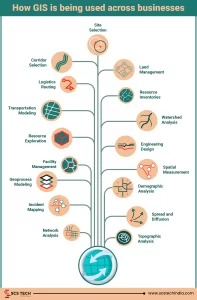
    Geographic Information System (GIS) showcases data through maps, offering a platform for collecting, organizing, and examining real-life situations that impact our daily routines. Scientists, corporations, and governmental bodies utilize GIS technology to tackle emerging, critical, and intricate issues.

    Table of Contents

    • What is a GIS platform?
    • Things to keep in mind before the selection
    • Types of GIS Platforms
    • Selecting your Optimal GIS Development Platform

    What is a GIS platform?

    A Geographic Information System (GIS) platform is a potent tool that leverages location data to visually represent, analyze, and comprehend our world. Envision a digital map brimming with information, showcasing not only streets and landmarks but also multiple layers of data unveiling concealed patterns and valuable insights. This encapsulates the essence of a GIS platform.

    Imagine it as a digital workspace where you merge various data types such as census data, environmental layers, infrastructure networks, and social media trends, all linked to precise locations. This wealth of information enables you to conduct robust analyses, reveal spatial correlations, and craft engaging visual representations that narrate a story clearly and effectively. Whether you’re a city planner studying traffic flows, a conservationist monitoring endangered species, or a business identifying potential customer locations, a GIS platform enables you to make well-informed decisions by gaining a deeper insight into the spatial environment.

    Things to keep in mind before the selection

    Choosing the appropriate platform relies on carefully assessing your project objectives and operational requirements. Before opting for it, businesses should take into account crucial aspects such as business goals, scalability, integration, and more. Additionally, they should delve deeper into the following essentials to enhance their GIS mapping platform evaluation process. Our suggestion is for businesses to consider these vital fundamentals:

    • Functionality
    • Performance
    • Usability
    • Openness and Standards
    • Cost
    • Security
    • Vendor Stability and Support

    Types of GIS Platforms

    From a professional perspective, the GIS platform landscape is varied and can be classified according to various criteria.

    1. Based on Deployment:
    • Desktop GIS – Installed software with robust capabilities, necessitating local computing resources.
    • Web GIS – Cloud-based platforms accessible from any device with a web browser, typically featuring collaborative tools.
    • Mobile GIS – Applications tailored for tablets and smartphones, enabling data collection and analysis while on the move.
    1. Grouped by Functionality:
    • Geospatial Data Management: Mainly dedicated to storing, organizing, and manipulating geographical data.
    • Spatial Analysis: Providing sophisticated tools for examining spatial relationships, trends, and patterns.
    • Geospatial Visualization: Facilitating the development of engaging maps, charts, and other visual data representations.
    • Application-Specific Platforms: Customized for particular industries or purposes such as environmental monitoring, urban planning, or resource management.
    1. Open-Source vs. Proprietary:
    • Open-Source: Software that is freely available and modifiable, often providing customization options and community support.
    • Proprietary: Licensed software that usually comes with advanced features and professional support.
    1. Under Development Framework:
    • Platform-as-a-Service (PaaS) – Utilize cloud-based environments to create customized GIS applications.
    • Software Development Kits (SDKs) – Incorporate geospatial features into current applications using libraries and tools.

    Selecting your Optimal GIS Development Platform

    After considering key factors and exploring various platforms, keep in mind that the ideal choice lies at the intersection of your specific requirements and priorities. Assess your project against the outlined criteria.

    • Evaluate functionalities, performance, usability, and cost to make a well-informed decision.
    • Feel free to dig deeper into specific platforms based on your needs.
    • Use the keywords “GIS development platform” to steer your research.

    Remember, this journey is yours to embark on confidently! Selecting the appropriate GIS development platform is a pivotal step in ensuring the success of your project. By recognizing your needs, thoroughly assessing your choices, and utilizing the guidance provided, you can confidently navigate the realm of geospatial exploration. Rest assured, the perfect platform awaits to be your reliable companion on this captivating journey through spatial data.

  • Transforming Today’s Business Landscape: The Impact of Blockchain Technology

    Transforming Today’s Business Landscape: The Impact of Blockchain Technology

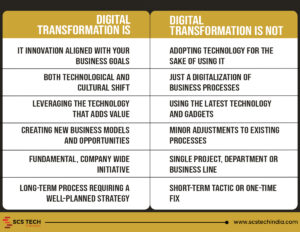
    In the new digital era, businesses seek essential new technologies for their survival. Digital transformation enables strategic decision-making, streamlining of business processes, and the adoption of new business models through the use of disruptive technologies in the market.

    Blockchain stands out as a pivotal technology driving business evolution. While blockchain has gained significant traction in the market in connection with cryptocurrencies like Bitcoin, there is still confusion surrounding the terminology. Many individuals mistakenly view blockchain as synonymous with Bitcoin and use the terms interchangeably.

    This confusion leads to the misconception that blockchain for business solely revolves around cryptocurrencies. However, blockchain for business is established on a permissioned distributed ledger technology that fosters trust among partners. Operating on a peer-to-peer network, it enhances transaction transparency, data resilience, and security, while reducing operational costs.

    Ways Blockchain Can Enhance the Current Business Model

    Blockchain technology offers numerous benefits to businesses, offering fresh opportunities to transform current business models by cutting costs, reducing intermediary involvement, and fostering greater trust within an ecosystem. Here are ten ways that businesses can incorporate blockchain into their digital transformation efforts.

    • Smart contracts are self-executing contracts stored on a blockchain network, executing terms and conditions automatically. They eliminate the need for intermediaries in legal actions, promoting efficient business operations.
    • Blockchain technology simplifies payment processes by connecting parties on the same platform, allowing direct communication between healthcare facilities and insurance providers. This transparency enhances efficiency by providing immediate access to patient information and payment details, streamlining cash flow for businesses.
    • Blockchain in Supply Chain Management enables SMEs to track products/services from manufacturing to delivery, ensuring transparency, combating counterfeiting, and enhancing security. Example: Walmart uses blockchain to track pork items’ provenance and condition, ensuring transparency in its food supply chain.
    • Blockchain technology enhances hiring by preventing fake documents, saving time in verification, and prompting companies to engage with blockchain development firms for innovative business applications.
    • Blockchain technology enhances marketing campaigns by allowing real-time tracking of client information and behaviour. This empowers marketers to create effective campaigns, increase ROI, and authenticate traffic for better outcomes.
    • Blockchain technology in business offers robust security through decentralization, transparency, and lower cyber-attack risks. It enables digital identity protection and control over information access and usage for users.
    • Blockchain technology in business boosts customer engagement by empowering users, ensuring transparency, enabling quick transactions, and helping identify loyal customers.
    • Blockchain technology offers improved speed and efficiency by automating processes, reducing human errors, and enabling transactions to be completed in seconds.
    • Businesses seek cost-effective solutions and improved processes. Blockchain adoption reduces costs by eliminating third-party vendor expenses, central players, and the need for extensive transaction validation. This makes blockchain crucial for financial management.
    • Blockchain adoption allows businesses to raise capital through Initial Token Offerings (ITOs), where investors can buy tokens representing equity or revenue share. ITOs offer a viable capital-raising alternative for businesses of all sizes.

    The Future of Blockchain in the Business World

    Blockchain introduces a distributed ledger system that enhances the media supply chain and reduces copyright violations by providing security, data analysis, and control. The significance of blockchain is on the rise as various sectors such as healthcare, logistics, manufacturing, and IT are adopting this technology to address and predict real-time challenges.

    Blockchain technology holds immense promise in shaping the future of business. It has the potential to introduce new ideas, integrate existing concepts, and provide a comprehensive understanding of the market landscape. The impact of blockchain on small and large businesses hinges on how effectively we leverage its capabilities in our economic ecosystem.


  • Process Automation – a business lifesaver

    Process Automation – a business lifesaver

    In today’s highly competitive and rapidly evolving business environment, leaders face numerous hurdles. With customers and market demands constantly shifting, companies must remain ahead of the curve to gain a competitive edge. One crucial way to achieve this is through Process Automation, which can streamline operations, boost profitability, and enhance resilience and agility in the face of ever-evolving challenges.

    Understanding the significance of Process Automation
    Discovering the different forms of Process Automation and its benefits

    Process automation is a valuable tool for businesses to reduce costs, minimize risk, and enhance operations. By relying on automation, companies can prevent human errors that could result in significant losses and also streamline processes to improve service delivery. Process automation promises faster task completion, more efficiency, and minimal errors, enabling businesses to stay competitive.

    Understanding the significance of Process Automation

    Process automation refers to the use of technology to perform tasks without the need for human intervention. In today’s fast-paced business environment, it is a crucial element that can lead to increased efficiency, reduced errors, lower costs, and improved productivity.

    By automating routine and repetitive tasks, companies can enable their employees to concentrate on more strategic and value-adding activities such as innovation and problem-solving. This approach can improve the efficient and effective use of resources, ultimately resulting in increased competitiveness and profitability. Moreover, process automation can enhance data processing accuracy, minimize manual errors, and provide a consistent, standardized approach to tasks, resulting in improved quality control.

    Discovering the different forms of Process Automation and its Benefits

    Process automation is transforming businesses by streamlining workflows, reducing costs, and enhancing efficiency. However, with several automation types available, choosing the right one can be daunting. Here are five essential process automation types to consider.

    1. Marketing Automation

    Marketing automation is an essential tool for businesses that frees up time and resources. It streamlines marketing efforts and delivers desired results, creating a better customer experience. Automated email campaigns target specific audiences and deliver tailored messages, with real-time adjustments to improve the marketing strategy. Marketing automation increases customer satisfaction and drives higher conversions, making it the future of marketing.

    2. IT Asset Management Automation

    IT asset management automation saves time, ensures accuracy, and reduces costs by automating tracking and management of IT assets. Automated solutions optimize the IT supply chain, streamline processes, and keep the IT team up-to-date on the latest hardware updates. Refine and optimize IT processes and keep tech running smoothly with the power of automation.

    3. Accounting Automation

    Accounting automation can streamline financial processes, saving time, and boosting accuracy. It simplifies tasks like creating purchase orders and managing contracts, providing clear and accurate records. Automation frees up the finance team’s time, allowing them to work smarter and provides a higher ROI for businesses.

    4. HR Automation

    HR automation can streamline traditional HR processes such as sifting through resumes, managing payroll and benefits, and handling contracts, tax data, and training programs. This can help ensure accuracy, mitigate the risk of errors, comply with employment laws, and allow HR teams to focus on other important responsibilities. Finding the right candidate and the entire offer process can be automated, saving time and effort.

    5. Customer Support Automation

    Customer support automation offers a solution to streamline customer service and create a seamless and efficient customer experience. Automated processes can help businesses attend to customer needs quickly and effectively, reducing mistakes and miscommunications while boosting efficiency levels. Embracing customer support automation can differentiate a business from the competition and create loyal customers.


  • How big data can make a big difference for your business

    How big data can make a big difference for your business

    Table of Contents

    Big Data and Analytics: What Are They?

    Who utilises the Analytics and Big Data?

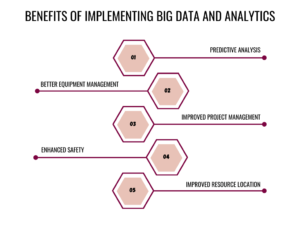
    Impressive Advantages of Big Data and Analytics


    Although the idea of big data has been around for a while, the world of business has only lately been transformed by big data. The majority of firms are now aware of how to collect the vast amounts of data that continuously flow into their operations and use analytics to turn it into useful insights. Given its advantages, big data and analytics are now a must-have for any organisation intending to maximise its commercial potential.

    Businesses are able to collect information from customers at every stage of their journey. The use of mobile apps, online clicks, social media activities, and other data could be included in this information. Together, these factors create a data fingerprint that is fully individual to its owner. Expectations have increased as a result of the change in customer social norms.

    Big Data and Analytics: What Are They?

    A massive amount of data, including both organised and unorganised information from multiple sources, is referred to as “Big Data.” Traditional data processing software cannot acquire, handle, or process these datasets because of their size. Complex large data can be leveraged to solve previously intractable business issues.

    Big data is sometimes defined by the three Vs: data with a wide variety, coming in large volumes, and moving quickly. The information may originate from openly available resources such as websites, social media, the cloud, mobile apps, sensors, and other hardware. Businesses can see consumer information including purchase history, searches made or videos viewed, likes and hobbies, and more by accessing this data. Big data analytics examines data using analytical approaches to uncover information such as occult patterns, correlations, market trends, and consumer preferences. As a result, analytics support businesses in making wise decisions that result in effective operations, content customers, and higher profitability.

    Who utilises the Analytics and Big Data?

    Big Data and analytics are being used by large corporations throughout the world for immense success. Businesses of all sizes and in all sectors can profit from using big data successfully. Organisations are coming under more and more pressure from the competition to not only attract potential customers, but also to comprehend those clients’ demands in order to improve the client experience and forge enduring bonds. Customers interact with businesses through a variety of channels on a regular basis, so it is necessary to combine traditional and digital data sources to comprehend customer behaviour. Among the advantages of big data and analytics are improved decision-making, greater innovation, and product price optimisation.

    Impressive Advantages of Big Data and Analytics  

    1. Customer Acquisition and Retention

    The digital footprints of customers reveal a lot about their preferences, needs, purchase behavior, etc. Businesses can use big data to observe consumer patterns and then tailor their products and services according to specific customer needs. This goes a long way to ensure customer satisfaction, loyalty, and ultimately a considerable boost in sales.

    1. Risk and fraud mitigation:

    Security and fraud analytics work to prevent the exploitation of all material, financial, and intellectual assets by both internal and external threats. Optimal levels of fraud prevention and overall organisational security will be delivered by effective data and analytics capabilities: mechanisms that enable businesses to quickly identify potentially fraudulent activity, predict future activity, as well as identify and track perpetrators.

    1. Innovate

    Innovation relies on the insights you may uncover through big data analytics. Big data enables you to both innovate new products and services while updating ones that already exist. The vast amount of data gathered aids firms in determining what appeals to their target market. Product development can be aided by knowing what consumers think about your goods and services.

    The information can also be utilised to change corporate plans, enhance marketing methods, and boost employee and client satisfaction.

    1. Customization and Engagement

    Structured data is still a challenge for businesses, and they now need to be particularly responsive to deal with the volatility brought on by customers interacting with digital technology. Advanced analytics are the only way to respond quickly and provide customers a sense of personal value. Big data offers the chance for interactions to be tailored to the personality of the client by comprehending their attitudes and taking into account aspects like real-time location to help deliver personalization in a multi-channel service environment.

    1. Enhanced Productivity

    Big data tools have the potential to increase operational effectiveness. Your interactions with consumers and their insightful feedback enable you to gather significant volumes of priceless customer data. Analytics can then uncover significant trends in the data to produce products that are unique to the customer. In order to provide employees more time to work on activities demanding cognitive skills, the tools can automate repetitive processes and tasks.

    1. Promoting & Boosting Customer Experience

    In order to meet customer expectations and achieve operational excellence, business processes must be designed, controlled, and optimised using analytics. This ensures efficiency and effectiveness.

    Advanced analytical methods can be used to increase the productivity and efficiency of field operations as well as organise a workforce in accordance with consumer demand and company needs. The most effective use of data and analytics will also guarantee that ongoing continuous improvements are implemented as a result of end-to-end visibility and monitoring of important operational parameters.

  • Need your business to thrive? Learn about key benefits of Data Analysis

    Need your business to thrive? Learn about key benefits of Data Analysis

    Today’s global marketplaces revolve on data, making sense of that data is essential to a company’s success. Failing to do so can result in a company falling behind.

    On its own, raw data doesn’t have much value. To leverage data to their advantage, businesses must apply data analytics, a discipline that systematically examines data in order to discover insights, patterns, and trends. Most businesses are aware of the potential rewards of investing in big data analytics, which promise to increase productivity, reduce costs, and improve decision-making. A recent survey by Micro Strategy found that businesses all across the world use their data for:

    • According to 90% of the business users who took part, their organization’s digital transformation strategies revolve around data and analytics
    • To increase their operations’ cost-effectiveness and process efficiency by up to 60%
    • 57% of businesses say they use data analytics to inform strategy and transformation
    • 52% of businesses use business analytics to track and enhance their financial performance

    What is Data Analysis?

    As a broad phrase, the processing of unstructured data to discover business insights is referred to as data analytics. It makes use of a variety of methods, procedures, statistics, and models. By definition, it is essentially a procedure for looking into raw data in order to derive significant insights. However, the development of AI and ML has caused the area of data analytics to advance at a rapid rate, reaching new heights.

    Usually, the purpose of data analytics is to give a business operational insights. This procedure entails reviewing historical data before applying the lessons discovered within to address the challenging business issues of the present.

    Despite the fact that big data analytics delivers value in a variety of ways, the following are some of its main advantages:

    • Quicker and wiser decision-making: businesses may quickly analyse massive amounts of data and come to wise judgements.
    • Cost savings: using big data technology, businesses can find better methods to conduct their operations and offer a cost-effective data storage solution.
    • A deeper comprehension of customer’s needs: big data reveals insights that assist businesses in identifying customer requirements and assessing satisfaction. This provides businesses with the knowledge they require to create long-lasting client relationships and provide higher-quality goods and services.

    The current state of Data Analysis & Business Intelligence

    For businesses to succeed in the digital economy, data is becoming more and more important. Up to 80% of businesses rely on data for a variety of operations, including product management, fraud detection, finance, human resources, and manufacturing. Data dashboards and visualisations are common in the modern workplace, enabling users to quickly follow performance measures using pre-built reports and filters.

    Organisations could find a wealth of potential hidden in their current systems with the use of data integration technologies. There is a lot of friction in analytics right now. Spreadsheets are frequently used by data workers, who typically utilise four to seven different applications to manage data. This takes a lot of time and increases the risk of errors and data compliance problems. Organisations must find a solution that unifies all data-related activities into a single platform, provides end-to-end data protection and traceability, and is simple for employees to use if they are to reap the greatest benefits from big data.

    How to select right data analytic tools for your business?

    Due to innovative methods like machine learning algorithms, the field of data analytics is expanding to unprecedented heights. Four categories of business analytics currently are:

    • Descriptive analytics
    • Diagnostic analytics
    • Predictive analytics
    • Prescriptive analytics

    It’s challenging to compile a comprehensive list of selection criteria for big data because it applies to such a wide range of use cases, applications, and industries. Build your toolset around the main objectives by focusing on the few business issues or opportunities that will have the most impact, such as real-time asset monitoring or a deeper comprehension of what your customers want.

    Big Data integration tools assist businesses in dismantling data ecosystem silos. When working with data gathered from a variety of IoT endpoints, apps, and data kinds, they are an essential tool for managing and storing data clusters. Although data integration solutions occasionally include stream analytics functionality, they are typically more appropriate for data management.

    It is possible to transform new data into actions. Partner with us to know more about best practices in data analysis. To contact us visit SCS Tech India.