Tag: #technology #data

  • Why Are Governments Using Blockchain in eGovernance Solutions for Land Records?

    Why Are Governments Using Blockchain in eGovernance Solutions for Land Records?

    What if you couldn’t prove the land you live on is actually yours? Sounds scary, right? That’s the reality for many people due to outdated land records. In India, only 69% of land has been mapped digitally under the Digital Land Record Management Program, leaving large gaps. This highlights the urgent need for a system in eGovernance solutions that is secure, transparent, and tamper-proof.

    This is where blockchain comes in. Its unparalleled ability to serve transparency, security, and efficiency puts it at the core of modern eGovernance solutions for land records. In this blog, let’s understand why blockchain is changing the face of this significant aspect of governance. But before let’s dive into the challenges that we faced due to traditional land record systems.

    Challenges in Traditional Land Record Systems

    The present system regarding the management of land records has significant flaws. Let’s take a closer look at them:

    Vulnerability to Fraud

    Traditional systems have fake documents, duplicate registrations, and unauthorized changes. Such issues bring legal disputes and make property transactions risky. Think of buying a property only to discover it had already been sold to another person based on forged papers. Blockchain can remove such risks because records are tamper-proof.

    Lack of Transparency

    Traditional systems often store records in centralized databases. Accessing these records is a bureaucratic maze, leading to confusion and mistrust. Blockchain’s open ledgers make records visible to all stakeholders, reducing disputes.

    Inefficiency and Bureaucracy

    Traditional processes are slow and costly, from waiting in long queues to paying multiple intermediaries. This inefficiency discourages investment and delays transactions. By streamlining processes, blockchain makes land transactions faster and more affordable.

    Data Integrity Issues

    Centralized systems are prone to natural disasters, cyberattacks, or human error. Blockchain’s decentralized nature ensures that data remains secure and accessible, no matter what.

    Why Are Governments Using Blockchain in eGovernance Solutions for Land Records?

    Governments are increasingly adopting blockchain technology to improve eGovernance solutions, particularly in managing land records. This transition is motivated by several critical factors:

    1. Immutable Ledger

    A significant need is reliable, tamper-proof records of land. More often, traditional systems are prone to fraud, such as forgery and unauthorized amendments. This kind of ledger ensures that records entered cannot be deleted or modified without consensus, thus increasing trust in the integrity of ownership documentation over land.

    Blockchain technology has a decentralized ledger where all the transactions concerning land ownership are permanently recorded. Each transaction is enclosed in a block that connects subsequent blocks, thus offering security regarding the chain of custody. This structure ensures that any kind of attempt to alter the record would require all the following blocks to be changed, making such attempts impracticable.

    2. Increased Transparency

    Transparency is essential in developing trust among all stakeholders involved in real estate transactions. Centralized databases can hide information, leading to confusion and disputes about property ownership in traditional systems. Governments can minimize misunderstandings and increase public confidence by providing transparent access to land records.


    Blockchain enables all parties involved, such as government agencies, property owners, and potential buyers, to access the same information about land ownership and transaction history in a shared ledger. Real-time access means all parties have up-to-date data, allowing them to verify ownership claims without intermediaries independently.

    3. Enhanced Security

    This is because land record management involves very sensitive information on property ownership, and therefore, security is a significant concern. With traditional systems, unauthorized access and data breaches can compromise the integrity of the land records.

    Blockchain allows all stakeholders including government agencies, property owners as well as potential buyers to view an agreed-to version of truth regarding land ownership and transactional history in a shared ledger. Real-time access will provide immediate data for all parties, and that’s how they will authenticate claims of ownership independently, without anyone’s interference.

    4. Simplified Process via Smart Contract

    The bureaucratic nature of traditional land registration processes often results in delays and increased costs for property transactions. Reducing reliance on intermediaries can expedite these processes and lower administrative burdens on government agencies.

    Smart contracts are self-executing contracts with all of the terms written directly into code. They automate many aspects of land transactions. For instance, they can automatically verify ownership during sales or transfers, eliminating the need for notaries or registrars. This automation accelerates transactions and improves operational efficiency within government agencies responsible for land registration.

    5. Decentralization

    Centralized control over land records poses risks such as data loss or manipulation due to individual malfeasance or systemic failures. Decentralization mitigates these risks by distributing data across multiple nodes.

    Blockchain runs on a decentralized network, storing data in multiple nodes instead of in a central database kept by a single entity. It minimizes the probability of losing or altering data and increases resistance against cyberattacks so that land records do not become inaccessible if some nodes go offline.

    Landmark Initiative for Land Records Modernization in Bihar

    The Bihar government is undertaking its first-ever state-wide land survey to modernize records. The project was launched in August 2023 and aimed at modifying the ownership records of around 44,000 villages by making them more transparent and reduced in terms of dispute.

    The exercise has been divided into two phases, one to be carried out on around 5,000 villages and the remaining in the next phase. However, due to complexities such as untransferred ownership and incomplete mutation processes, the deadline has been extended to July 2026. Landowners now have until March 2025 to submit claims online through a simplified self-declaration process.

    This initiative also includes plans for urban land surveys, with a pilot project proposed for six urban local bodies. Digitizing land records is the goal of the Bihar government in streamlining governance, making land ownership more transparent, and empowering citizens.

    These efforts are part of a broader vision of ensuring efficient land administration and reducing the potential conflicts that arise from ambiguous records. Once completed, this project is expected to transform land governance in the state, fostering trust and accountability among citizens while enabling smoother economic and legal transactions involving land.

    Conclusion

    In essence, blockchain in eGovernance solutions enhances transparency, security, and efficiency in transactions about the properties. Most significantly, the main challenges posed by traditional systems- fraud, inefficiency, and mistrust-could now be addressed and placed within a more substantial framework that enables better land administration.

    For successful adoption, governments must establish regulatory frameworks that validate blockchain records as official property documentation, ensure compatibility with existing systems, and promote public awareness of its advantages. Companies like SCS Tech are enabling these advancements by offering tailored blockchain solutions. By implementing blockchain effectively, governments can create more trustworthy governance structures, protect citizens’ property rights, and transform land record management into a secure and transparent process.

  • Understanding Big Data in GIS Applications: How It Shapes Our World

    Understanding Big Data in GIS Applications: How It Shapes Our World

    What if we could predict traffic jams, track pollution spread, and optimize city planning—all in real-time? Significant data infusion into geographical information systems (GIS) and advanced GIS services has made all these possible. The geospatial data analytics market has been growing globally, valued at $88.3 billion since 2020. This growth shows how organizations are using big data in GIS applications to make smarter decision

    In this blog, let’s discuss how Big Data is revolutionizing GIS applications, from cloud-based platforms to drone mapping services in India, and how GIS and IoT solve real-world problems.

    What Is GIS and Why Big Data Matters?

    GIS is a tool that enables us to visualize, analyze, and interpret spatial data—that is, data associated with specific locations on Earth. Think of it as a map with multiple layers of information, showing everything from land use to population density. Paired with Big Data—massive datasets with variety and speed—GIS transforms into a powerhouse for understanding complex relationships.

    For instance:

    • Big Data from IoT Sensors: The sensors in smart cities monitor real-time air quality, traffic, and temperature and feed into GIS systems with updated knowledge.
    • Crowdsourced Data: Platforms like OpenStreetMap enable individuals to share local knowledge, which feeds into maps with detailed information and accuracy.

    How Big Data Empowers GIS Applications

    Big data in GIS applications transforming mapping
    Big data in GIS applications transforming mapping

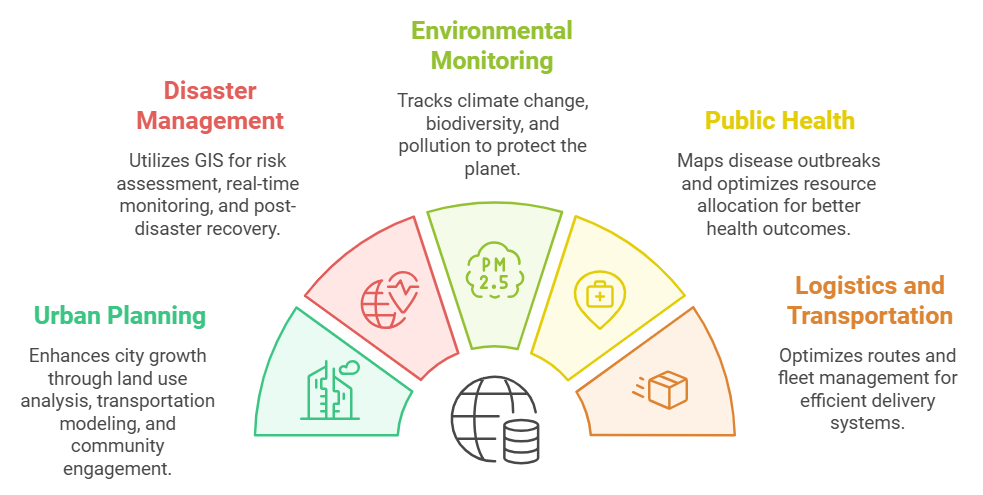
    Big Data empowers GIS in ways that methods of the past could not. Here’s how:

    1. Urban Planning Made Smarter

    • Land Use Analysis: Satellite imagery coupled with socioeconomic data helps planners track changes in land use over time. This ensures cities grow sustainably.
    • Transportation Modeling: GPS data from vehicles helps optimize routes and reduce congestion. For example, public transport systems can change routes dynamically based on traffic patterns.
    • Community Engagement: Interactive maps allow citizens to visualize and comment on urban projects, fostering transparency.

    2. Disaster Management: Saving Lives

    • Risk Assessment: GIS analyzes weather patterns and historical data to pinpoint areas at risk of flooding or earthquakes.
    • Real-Time Monitoring: During disasters, data from IoT devices and social media feeds helps responders understand the situation instantly.
    • Post-Disaster Recovery: Aerial drone images provide clear visuals of affected areas, speeding up relief efforts.

    3. Environmental Monitoring: Protecting the Planet

    • Climate Studies: Long-term satellite data reveals how vegetation and glaciers change over time due to global warming.
    • Biodiversity Conservation: GIS maps endangered species’ habitats, helping identify critical areas that require conservation.
    • Pollution Tracking: Air quality sensors feed into GIS systems that track how pollution spreads throughout cities, helping policymakers take action.

    4. Public Health: Monitoring and Controlling Diseases

    • Outbreak Mapping: GIS helped to visualize the case patterns in the COVID-19 pandemic. It allowed authorities to focus their resources on high-risk areas.
    • Resource Allocation: Through GIS, hospitals and clinics analyze population density in the area to provide better services.

    5. Logistics and Transportation: Moving Smarter

    • Route Optimization: Companies like UPS apply GIS to analyze traffic and deliver packages faster.
    • Fleet Management: GPS-enabled trucks feed the GIS system with location data, thus enabling real-time tracking and efficient route planning.

    Cutting-edge technologies in GIS

    GIS is growing with exciting technologies that make it even more powerful:

    Cloud-Based GIS Platforms

    Cloud technology has revolutionized GIS, making it accessible and scalable:

    • Real-Time Data Processing: Platforms like Esri’s ArcGIS Online allow seamless spatial data sharing and processing.
    • Collaboration: Teams can work on the same map from anywhere, fostering innovation and efficiency.
    • Cost-Effectiveness: Cloud-based GIS eliminates the need for expensive hardware, making it ideal for organizations of all sizes.

    Drone Mapping Services in India

    India’s rapid adoption of drone technology is transforming GIS applications:

    • Precision Mapping: Drones take high-resolution images for infrastructure projects and agriculture.
    • Disaster Response: Drones provide critical aerial visuals to aid recovery after natural disasters.
    • Urban Planning: Cities like Bangalore use drone data to plan better transportation and housing.

    GIS and IoT Applications

    IoT devices, from weather stations to traffic sensors, feed GIS systems with valuable real-time data:

    • Smart Cities: Sensors monitor everything from electricity usage to water flow, making for more innovative and sustainable urban environments.
    • Agriculture: IoT-enabled sensors monitor soil moisture and crop health for farmers to optimize yields.
    • Environmental Monitoring: Networks of IoT devices measure air and water quality, feeding GIS with critical ecological data.

    Challenges in Integrating Big Data with GIS

    With all its benefits, big data in GIS applications is fraught with its challenges:

    • Data Quality: Inaccurate or out-of-date data can result in poor decisions. Validation is a continuous process.
    • Technical Expertise: Professionals must be trained in geospatial analysis and data science, which requires extensive training.
    • Privacy Issues: The use of personal location data raises ethical issues. Clear policies and transparency are critical to building public trust.

    Future Directions for Big Data in GIS

    The integration of emerging technologies will redefine GIS:

    • AI and Machine Learning: These technologies will further power predictive analytics in GIS, automating pattern recognition and forecasting.
    • Cloud-Based GIS Platforms: Cloud storage will make smaller organizations more accessible and collaborative.
    • Drone Mapping Services: Drones equipped with GIS technology will continue to provide high-resolution data for agriculture, urban planning, and disaster response in India.
    • GIS and IoT Applications: IoT networks expand the scope of real-time monitoring from innovative city management to wildlife conservation.

    Conclusion

    The intersection of big data in GIS applications has opened doors for new understanding and solutions to complex geographic problems. From improving urban planning to enhancing disaster response and protecting the environment, GIS in India is playing a vital role in shaping a more innovative and sustainable world.

    As cloud-based GIS platforms and drone mapping services in India continue to evolve, companies like SCS Tech play an important role in driving innovation and delivering robust solutions. By addressing challenges such as data quality and privacy, we can utilize the full potential of Big Data in GIS applications, creating solutions that truly make a difference.


  • How Digital Transformation Services Are Reinventing Customer Experiences

    How Digital Transformation Services Are Reinventing Customer Experiences

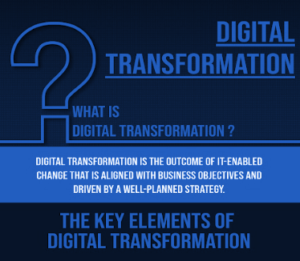
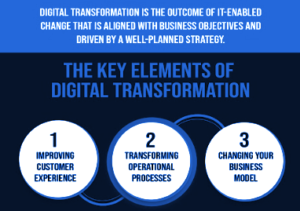
    In today’s digital era, businesses are undergoing transformative changes fueled by digital technologies. Central to this shift is digital transformation – a strategic approach that integrates digital tools to enhance operations and customer experiences. In this blog, we’ll explore how digital transformation services are revolutionizing customer experiences, empowering businesses to create personalized, seamless interactions that drive loyalty and growth.

    1. Understanding Digital Transformation:

    Digital transformation goes beyond technology upgrades; it’s a holistic approach to redefining how businesses operate and engage with customers. It involves embracing innovation and agility to adapt to the evolving digital landscape.

    Think of it as more than just upgrading your software or implementing new tools. It’s about embracing a mindset of innovation and agility, where businesses continuously evolve to meet the changing needs and expectations of customers in the digital age.

    By leveraging technologies like AI and data analytics, businesses streamline operations, gain insights, and deliver personalized experiences. Digital transformation is about staying ahead, embracing change, and meeting customer expectations in a digital world.

    2. The Evolution of Customer Experiences:

    In the digital age, customer expectations have undergone a significant transformation. Gone are the days of traditional interactions; today’s consumers expect seamless, personalized experiences across all touch points. This shift is driven by advancements in technology and the widespread adoption of digital channels, which have empowered customers with greater choice and convenience.

    Businesses must adapt to this new reality by embracing digital transformation to meet the evolving needs of their customers. By leveraging data insights and technology-driven IT solutions, businesses can create tailored experiences that resonate with their audience, fostering loyalty and long-term relationships.

    3. Leveraging Digital Transformation Services:

    Digital transformation services play a pivotal role in helping businesses navigate the complexities of the digital landscape and elevate their customer experiences. These services encompass a wide range of capabilities, including data analytics, AI-driven personalization, and omnichannel integration, designed to enhance customer engagement and satisfaction.

    By partnering with digital transformation service providers, businesses gain access to expertise and technologies that enable them to deliver seamless, personalized experiences across all touch points. From analyzing customer data to automating processes, these services empower businesses to stay ahead of the competition and meet the ever-changing demands of their customers.

    4. Personalization and Customer Insights:

    Personalization has become a cornerstone of modern customer experiences, and digital transformation services enable businesses to deliver tailored interactions that resonate with their audience. By harnessing the power of data analytics and AI, businesses can gain valuable insights into customer behavior and preferences, allowing them to create hyper-targeted campaigns and offers.

    Furthermore, digital transformation companies enable businesses to go beyond surface-level personalization by anticipating customer needs and proactively addressing them. Whether it’s recommending products based on past purchases or providing relevant content at the right time, personalized experiences foster deeper connections and drive customer loyalty.

    5. Seamless Omnichannel Experiences:

    In today’s digital landscape, customers expect a seamless experience across all channels, whether they’re browsing online, using a mobile app, or visiting a physical store. Digital transformation services enable businesses to integrate these channels into a cohesive omnichannel strategy, ensuring consistency and continuity throughout the customer journey.

    By leveraging omnichannel capabilities, businesses can provide customers with the flexibility to interact with their brand wherever and whenever they choose. Whether it’s starting a transaction online and completing it in-store or receiving personalized recommendations across multiple touchpoints, seamless omnichannel experiences foster customer satisfaction and loyalty.

    6. Enhancing Customer Engagement and Satisfaction:

    Digital transformation companies empower businesses to engage with customers in meaningful ways, fostering stronger relationships and driving satisfaction. Through innovative strategies such as interactive content, chatbots, and social media listening, businesses can connect with customers on a deeper level, addressing their needs and preferences in real-time.

    Furthermore, these services enable businesses to gather feedback and insights from customers, allowing them to continually refine and improve their offerings. By actively listening to customer feedback and responding promptly, businesses can demonstrate their commitment to customer satisfaction and build a loyal customer base.

    Conclusion:

    In today’s digital landscape, customer experiences play a pivotal role in shaping the success of businesses. Digital transformation services have emerged as a key enabler in redefining these experiences, empowering businesses to deliver personalized, seamless interactions that drive satisfaction and loyalty.

    By leveraging advanced technologies and data-driven insights, businesses can gain a competitive edge and stay ahead in the ever-evolving market. As we look to the future, the importance of digital transformation services in enhancing customer experiences will only continue to grow, driving innovation and fueling business growth.

    Ready to transform your customer experiences with digital transformation services? Contact us today to learn how SCS Tech India’s tailored IT solutions can help elevate your business in the digital age!


  • What Sets Leading Machine Learning Companies Apart in Today’s Market?

    What Sets Leading Machine Learning Companies Apart in Today’s Market?

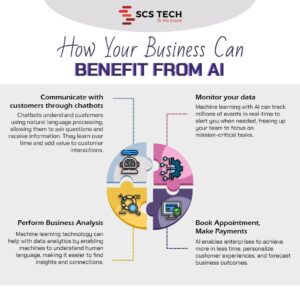
    In today’s rapidly evolving business landscape, integrating machine learning technologies has become paramount for companies striving to stay ahead of the curve. Machine learning, a subset of artificial intelligence (AI), empowers systems to learn from data and make predictions or decisions with minimal human intervention. As businesses increasingly grasp the transformative potential of machine learning, the demand for proficient and innovative machine learning companies has surged.

    In this blog post, we’ll explore machine learning and what sets leading companies apart in today’s competitive market. From expertise and innovation to customized solutions and a commitment to quality, we’ll uncover the key factors that distinguish top-tier machine learning companies.

    AI in business

    Expertise and Innovation in Machine Learning

    Leading machine learning companies stand out due to their unparalleled expertise and commitment to innovation. With seasoned professionals skilled in algorithms, data analysis, and software development, these companies tackle complex challenges with precision.

    Innovation is a hallmark of top-tier machine learning firms. These companies invest in research, collaborate with academia, and engage in knowledge-sharing communities to pioneer new solutions. By staying abreast of trends and anticipating market needs, these companies spearhead transformative change in AI services and machine learning.

    Range of AI/ML Services Offered

    Leading machine learning companies provide various ai services tailored to meet diverse client needs. These firms provide comprehensive solutions, spanning from predictive analytics to natural language processing and computer vision. They enable businesses to glean insights, automate processes, and make data-driven decisions.

    Focusing on continuous innovation, these companies stay ahead of emerging challenges and opportunities, empowering clients to thrive in the digital age.

    Customized Solutions for Business Needs

    Leading machine learning companies excel in providing tailored solutions to meet each client’s unique requirements. These firms design solutions that drive tangible business outcomes by conducting thorough assessments and understanding specific challenges. With a focus on scalability and flexibility, they ensure their solutions adapt to evolving needs, fostering long-term success.

    Commitment to Quality and Performance

    Top-tier machine learning companies prioritize delivering high-quality solutions that exceed client expectations. They maintain rigorous standards throughout development, ensuring accuracy, reliability, and scalability.

    By leveraging robust testing methodologies and quality assurance protocols, these companies validate the performance of their solutions and identify any potential issues or optimizations. This commitment to quality ensures that clients receive reliable and efficient machine-learning solutions that meet their business objectives.

    Furthermore, leading machine learning companies are dedicated to ongoing performance optimization. They continuously monitor and analyze solution performance, identifying opportunities for improvement and innovation. By staying proactive and responsive, these companies ensure that their solutions remain at the forefront of technological advancements and deliver optimal client results.

    Client Success Stories and Testimonials

    Leading machine learning companies showcase their expertise and effectiveness through client success stories and testimonials. These stories highlight real-world applications of their solutions, demonstrating their tangible benefits to businesses across various industries.

    Top-tier machine learning companies offer prospective clients valuable insights into the effectiveness and reliability of their services by sharing success stories and testimonials.Clients’ firsthand accounts of the impact of machine learning solutions on their operations serve as compelling endorsements, instilling confidence in potential clients and reinforcing the company’s credibility.

    Furthermore, success stories and testimonials are powerful marketing tools, enabling machine learning companies to differentiate themselves from competitors and attract new clients. They demonstrate a track record of delivering results and showcase the company’s ability to address diverse challenges and deliver measurable outcomes.

    Conclusion

    In conclusion, leading machine learning companies set themselves apart in today’s market through their expertise, innovation, commitment to quality, and client-eccentric approach. These companies drive business success and foster innovation across industries by leveraging cutting-edge technologies and customized solutions.

    As businesses navigate the complexities of AI services and machine learning, partnering with a trusted and reliable machine learning company becomes essential. By focusing on factors like expertise, innovation, and dedication to quality, businesses can select a partner that aligns with their objectives and enables them to leverage the complete potential of machine learning.

    In an era increasingly defined by digitalization and data, machine-learning companies are pivotal in propelling innovation and shaping the future of business. By embracing AI services and machine learning’s capabilities, businesses can unlock new opportunities, drive efficiency, and stay competitive in today’s dynamic market landscape.

    Ready to harness the power of machine learning for your business? Explore SCS Tech India’s AI/ML services and discover how we can help you achieve your goals. Contact us today to schedule a consultation!


  • Why Are IT Solutions Critical for Modern Business Success?

    Why Are IT Solutions Critical for Modern Business Success?

    In today’s digital age, IT solutions are indispensable for business success. They drive digital transformation, enhance efficiency, and secure data. Let’s explore the critical importance of IT solutions for modern businesses and their role in shaping the future of business.

    The Role of IT Solutions in Digital Transformation

    1. Navigating the Digital Landscape: Digital transformation companies act as guides, helping businesses navigate the complex terrain of the digital landscape. They offer a suite of services, from cloud computing to data analytics, tailored to each business’s unique needs.
    2. Empowering Adaptability: It empowers businesses to adapt to changing market conditions, customer demands, and technological advancements. This agility allows companies to seize new opportunities and stay ahead of the curve.
    3. Driving Innovation: Innovation is at the heart of digital transformation. IT solutions provide the tools and platforms necessary for innovation to flourish. Whether it’s developing new products, streamlining processes, or enhancing customer experiences,
    4. Enhancing Collaboration and communication: Collaboration is essential for driving digital transformation. It facilitates collaboration by breaking down silos, enabling seamless communication and information sharing across departments and teams.

    Leveraging IT Solutions for Enhanced Efficiency and Productivity

    1. Automation of Repetitive Tasks: IT solutions automate routine tasks, giving employees more time to concentrate on strategic activities.
    2. Streamlining Workflows: it enables smoother and more efficient operations by digitizing workflows and eliminating paper-based processes.
    3. Real-Time Data Insights:  it uses data analytics tools to provide real-time insights into business performance, allowing for informed decision-making.
    4. Integration of Business Functions: Enterprise resource planning (ERP) systems consolidate different business functions, such as finance, HR, and supply chain management, into one unified platform.

    Enhancing Customer Experience through IT Solutions

    1. Personalized Interactions: IT solutions enable businesses to personalize customer interactions based on preferences, purchase history, and behaviour.
    2. Streamlined Communication Channels: Omnichannel communication platforms allow businesses to communicate with customers seamlessly across multiple channels, including email, social media, and live chat.
    3. Centralized Customer Data: Customer relationship management (CRM) systems centralize customer data, offering a comprehensive view of each customer’s interactions and history.
    4. Tailored Services: With insights from data analytics tools, businesses can offer tailored services and recommendations to meet individual customer needs.

    Securing Business Data and Assets with IT Solutions

    1. Cybersecurity Solutions: IT solution providers offer a range of cybersecurity solutions, including network security, endpoint protection, and threat intelligence, to protect against cyber threats.
    2. Data Encryption Technologies: Data encryption technologies safeguard data during transmission and storage, thwarting unauthorized access and preserving confidentiality.
    3. Mitigating Risks: By deploying robust IT security measures, businesses can mitigate the risks linked with cyber threats, preserving their reputation, customer trust, and competitive edge.

    Future Trends and Opportunities in IT Solutions

    As technology progresses, IT solutions are evolving rapidly, opening up new avenues for business growth and innovation. Cloud computing offers scalable data storage, while AI and machine learning streamline automation and data analysis. The Internet of Things facilitates real-time data collection by connecting devices. In this digital landscape, partnering with IT infrastructure solution providers becomes vital for businesses to adapt and capitalize on these trends, ensuring their competitiveness in the digital realm.

    Choosing the Right IT Infrastructure Solution Provider

    Choosing the correct IT infrastructure solution provider is vital for the success of your digital transformation journey. Consider the following factors when choosing a provider:

    1. Expertise and Experience: Seek out an IT infrastructure solutions provider with a demonstrated history of successfully implementing IT solutions and leading digital transformation efforts.
    2. Range of Services: Consider a provider that offers a broad spectrum of digital transformation companies, encompassing cloud computing, cybersecurity, data analytics, and enterprise software solutions.
    3. Reputation and Client Testimonials: Research the provider’s reputation in the industry and seek feedback from past clients to ensure reliability and quality of service.
    4. Alignment with Business Goals: Select a provider that understands your business objectives and can tailor solutions to meet your needs and requirements.
    5. Industry Experience: Look for providers with industry experience. They’ll have a deeper understanding of your specific challenges and opportunities.

    Conclusion

    In conclusion, IT solutions are indispensable for modern businesses. They drive digital transformation, enhance efficiency, and secure data assets. With their help, companies can streamline operations, improve customer experiences, and stay competitive. Emerging trends like cloud computing, AI, and IoT offer exciting growth opportunities. To navigate these changes effectively, businesses must partner with reliable IT infrastructure solution providers to unlock their full potential in the digital age.

    Ready to take your business to the next level with cutting-edge IT solutions? Explore a range of services and solutions at SCS Tech India, your trusted IT infrastructure partner.