Blog

  • How Do Blockchain-Powered eGovernance Solutions Improve Public Service Delivery?

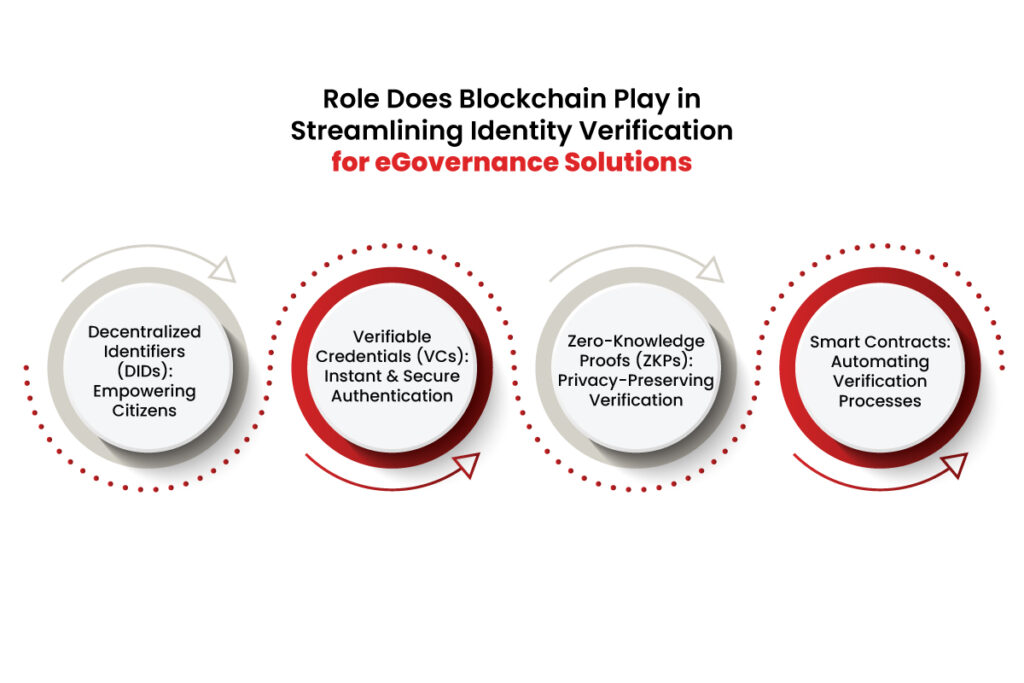
    How Do Blockchain-Powered eGovernance Solutions Improve Public Service Delivery?

    Do you hope for governments to be able to deliver faster, more transparent, and more efficient services in this digital world? Blockchain-powered eGovernance solutions are likely to help with this and become the foundational technology for 30% of the world’s customer base, from simple, everyday devices to commercial activities, by 2030. It will signal a fundamental shift in how public service delivery takes place and make governance smarter, safer, and more accessible.

    In this blog, we’ll explore how blockchain-powered eGovernance solutions improve public services. These advancements are reshaping how governments serve their citizens, from automating workflows to enhancing transparency.

    1. Decentralization: Building Resilient Systems

    Distributed Systems for Reliable Services

    Traditional systems are primarily based on centralized databases, prone to cyberattacks, downtime, and data breaches. With the power of Distributed Ledger Technology (DLT), blockchain changes this by distributing data across multiple nodes. This decentralization ensures that the system functions seamlessly if one part of the network fails. Governments can enhance service reliability and eliminate the risks associated with single points of failure.

    Faster and More Efficient Processes

    Centralized systems can create a bottleneck because they function off one control point. Blockchain removes the bottleneck because multiple departments can access and share real-time information. For example, processing permits or verifying applications becomes quicker if multiple agencies can update and access the record simultaneously. Such gives citizens less waiting time in government offices and more efficiency in their governments.

    2. Effectiveness Through Smart Contracts

    Automation Made Easy

    Imagine filing a tax return and processing the refund instantly without human intervention. Blockchain makes this possible through smart contracts—self-executing agreements coded to perform actions when certain conditions are met. These contracts automate fund disbursements, application approvals, or service verifications, significantly reducing delays and manual errors.

    Streamlining Government Workflows

    Governments would handle repetitive jobs, such as checking documents or issuing licenses. Through the rule and procedure codification in a smart contract, these jobs are automated, reducing errors and making them consistent. This saves time and allows employees to focus on more important things, increasing productivity and citizen satisfaction.

    3. Transparency: The Basis of Trust

    Open Access to Transactions

    Blockchain records every transaction on a public ledger accessible to all stakeholders. Citizens can see how public funds are allocated, ensuring accountability. For example, in infrastructure projects, blockchain can show how funds are spent at each stage, reducing doubts and fostering trust in government actions.

    Immutable Records for Audits

    This ensures that once recorded, data is immutable, hence unchangeable unless the network has agreed to its alteration. It makes auditing very simple and tamper-proof. The governments will be able to maintain records that are easy to verify but hard to alter, reducing further corruption and assuring ethical administration.

    4. Building Citizen Trust

    Reliable and Transparent Systems

    Blockchain’s design inherently fosters trust. Citizens know their data is secure, and their interactions with government entities are recorded transparently and immutable. For example, once a land ownership record is stored on the blockchain, it cannot be changed without alerting the entire network, ensuring property rights remain secure.

    Empowering Citizens through Accountability

    For example, transparency in the governance process allows citizens to hold officials responsible. If funds allocated to education or health are visible in a blockchain, citizens can check the discrepancies in the ledger and thus strengthen their trust in such public institutions; at the same time, these institutions will forge a collaborative relationship with citizens.

    5. Secure Digital Identities

    Self-Sovereign Identity for Privacy

    Blockchain facilitates self-sovereign identity (SSI). It gives individuals complete control of their personal information. Unlike systems that store secret information in centralized databases, blockchain stores information in blockchains. It puts citizens in the best position to decide who shall access their data and for what purpose. There is a reduced likelihood of identity theft, and personal privacy is amplified.

    Simplification of Accessibility to Services

    Using blockchain-powered eGovernance solutions, citizens will have secure digital IDs that facilitate verification faster. Rather than sending the same set of documents repeatedly for various services from the government, they will use a blockchain-based ID to check their eligibility on the go. This would reduce the access time to public services and enhance the convenience level with data safety.

    6. Cost Saving: A Wise Use of Resources

    Reducing Administrative Costs

    This kind of paper trail and manual procedure costs governments massive amounts. With blockchain, such paper trails do not exist. Records are digitalized, and workflows are automated. For example, property registration or certificate issuing on blockchain automatically reduces administrative overhead.

    Fraud Prevention and Elimination of Mistakes

    Fraudulent actions and human mistakes can be costly for governments. Blockchain’s openness and immutable ledger reduce these risks because it leaves a transparent and tamper-proof history of the transactions. Not only does it save money in investigations, but it also ensures accurate delivery of services with no rework or additional costs incurred.

    7. Improved Data Security

    Encryption for Stronger Safeguards

    Blockchain uses advanced cryptographic techniques to secure data. Each block is linked to the one before it, creating a nearly impossible chain to alter without detection. Sensitive information, such as health records or tax data, is protected from unauthorized access, ensuring citizen data remains secure.

    Defense Against Cyberattacks

    In traditional systems, hackers will always target centralized databases. With blockchain, data is spread across different nodes, meaning that cybercriminals will find it much more challenging to access large volumes of information or manipulate the same. Therefore, public services will remain accessible and trustworthy, even in cyber attacks.

    Conclusion

    It’s not just an upgrade in technology but rather the need for governance in modern society. Blockchain can solve all inefficiencies presented by traditional public administrations by decentralizing systems, automating workflows, facilitating transparent processes, and improving cost efficiency. The improvement in this technology develops citizens’ participation, engenders trust, and makes governance in a fast-to-be-digitized world robust.

    Companies like SCS Tech are leading the way by offering innovative blockchain-powered eGovernance solutions that help governments modernize their systems effectively. As governments worldwide continue exploring blockchain, the positive effects will stretch beyond improving service delivery. They will ensure they have developed transparent, efficient, and secure governance structures, hence meeting the demands of tech-savvy citizens today.

  • How GIS Mapping Services Support Climate Change Analysis and Long-Term Weather Forecasting

    How GIS Mapping Services Support Climate Change Analysis and Long-Term Weather Forecasting

    What if you could foresee rising seas, vanishing forests, or sweltering cities years before they become headlines? The key to this foresight is GIS mapping services.

    Far from being just another tool, GIS serves as a compass for navigating the complexities of a warming planet, enabling scientists, policymakers, and industries to act with unprecedented clarity.

    In this blog, we will explore how GIS mapping services support climate change analysis and long-term weather forecasting, breaking down complex processes into simple, actionable insights.

    How GIS Mapping Services Support Climate Change Analysis

    Monitoring Environmental Changes

    GIS mapping is indispensable in monitoring shifts in the natural world, from rising temperatures to shrinking glaciers.

    Temperature Tracking

    GIS enables accurate tracking of temperature variations over time:

    • Spatial Analysis: Methods such as Kriging and Inverse Distance Weighting (IDW) transform weather station data into highly detailed temperature maps. These maps indicate anomalies, allowing scientists to pick up on unusual trends.
    • Time Series Analysis: By combining historical data, GIS allows for determining seasonal patterns and long-term warming trends. For example, NOAA uses GIS to show how temperatures have dramatically increased since the late 20th century.

    Deforestation Monitoring

    Through the absorption of carbon dioxide, forests play a critical role; GIS mapping services tracks the health of these forests in the following way:

    • Remote Sensing: Satellite images, as in the case of Landsat, use vegetation indices such as NDVI, in which those with healthy forests represent areas of no deforestation.
    • Detection Change Algorithms: GIS detects changes between image times and reports forest loss measurement. GIS maps indicate how agricultural activities lead to deforestation.

    Glacier and Ice Cap Analysis

    GIS is instrumental in studying glaciers and ice caps, which are critical indicators of climate change:

    • Glacial Retreat Monitoring: Comparing the satellite images for decades, GIS quantifies the retreat of Himalayan glaciers, affecting water supply to millions.
    • Ice Mass Balance Studies: Using the elevation models in conjunction with the satellite data, GIS computes the ice loss and its contribution to the rise in sea levels.

    Air Quality Assessment

    Climate change increases poor air quality, but it offers a solution through GIS.

    • Source Pollution Mapping: Emission data are combined with weather models to create a GIS mapping of city pollution hotspots.
    • Health Impact Studies: Using GIS, policymakers link air quality data with health records to pinpoint areas for interventions that can reach vulnerable communities.

    Risk Assessment and Disaster Response

    Climate change is on the increase with the frequency of natural disasters. Using GIS maps helps assess risk and improve preparedness.

    Flood Risk Mapping

    Flooding is a perilous threat, and GIS can predict and mitigate the impact:

    • Hydrological Modeling: GIS can identify flood-prone areas and guide land-use planning with rainfall data and elevation maps.
    • Vulnerability Assessments: GIS overlays population density with flood risk zones, prioritizing resources for the most at-risk communities.

    Disaster Recovery Planning

    GIS streamlines response efforts during and after extreme weather events:

    • Real-Time Data Integration: In hurricanes or floods, GIS integrates real-time data (e.g., social media updates) to help emergency responders.
    • Resource Allocation Mapping: Recovery efforts are optimized by mapping available resources like shelters and medical facilities against affected areas.

    Urban Heat Island Mitigation

    Urban areas often trap more heat, worsening health risks during hot weather:

    • Heat Mapping: GIS finds the urban heat island by analyzing the land surface temperatures. It then aids in identifying priority cooling areas for planting trees or reflective rooftops.
    • Policy Development: Based on GIS-based findings, cities are developing a plan to reduce the risk of heatwave attacks.

    Climate Change Mitigation Strategy

    GIS contributes significantly to generating environmentally friendly alternatives that mitigate climate change.

    Carbon Emission Reduction

    Through GIS data analysis, carbon emissions can be decreased as data-informed decision-making helps.

    • Emission Mapping: GIS identifies emission hotspots by visualizing sources of greenhouse gases, such as industrial sites or busy highways.
    • Targeted Solutions: Cities can use this data to implement public transportation upgrades or renewable energy projects in high-emission areas.

    Sustainable Resource Management

    GIS promotes eco-friendly practices by guiding resource management:

    • Renewable Energy Site Selection: GIS identifies ideal locations for solar farms or wind turbines by analyzing sunlight exposure and weather patterns.
    • Land Use Planning: GIS data integration ensures new developments do not go against economic growth without preserving the environment.

    How GIS Mapping Services Support Long-Term Weather Forecasting

    Accurate weather forecasts are essential for agriculture, disaster preparedness, and energy management. It is made possible with GIS mapping services.

    Data Collection and Integration

    GIS collects and integrates various datasets to improve forecasting:

    • Sources: Data from weather stations, satellites, and global climate models offer a holistic view of atmospheric conditions.
    • Integration Techniques: Techniques like Kalman filtering combine real-time observations with model predictions to improve accuracy.

    Forecasting Techniques

    • Numerical Weather Prediction (NWP): Mathematical models mimic the atmosphere’s behavior, given the current state. GIS displays these results, making interpreting temperature or rainfall patterns easy.
    • Ensemble Forecasting: Running multiple simulations with slightly different initial conditions, GIS offers probabilistic forecasts that help planners plan for various eventualities.

    Visualization and Scenario Analysis

    GIS brings weather data alive:

    • Thematic Maps: Shows patterns such as drought-prone areas or the amount of expected rain. This transforms complex data in a way that is easily understandable to stakeholders.
    • What-If Scenarios: Users can simulate different scenarios, including rising greenhouse levels, to begin planning adaptive strategies.

    Conclusion

    GIS mapping services are transforming how we understand and tackle climate change. Leading GIS consultants and GIS companies in Mumbai are helping provide scientists, policymakers, and communities with actionable insights—from tracking rising temperatures to mitigating urban heat islands. Their expertise in GIS plays a key role in long-term weather forecasting, ensuring better planning—whether it’s safeguarding crops or preparing for floods.

    With increasing climate challenges, GIS mapping services will remain at the forefront to guide efforts toward a sustainable and resilient future. For innovative and reliable GIS solutions, SCS Tech stands as the ideal partner, empowering organizations with cutting-edge technology to tackle climate change effectively.

  • How Do Digital Oilfields Improve Oil and Gas Technology Solutions?

    How Do Digital Oilfields Improve Oil and Gas Technology Solutions?

    Are you aware of the oil and gas technology that is transforming the industry? There’s an operation so bright that it reduces costs by 25%, increases production rates by 4%, and enhances recovery by 7%, all within just a few years. This is, says CERA, the actual effect of applying digital oilfield technologies. The digital oilfield applies advanced tools to transform oilfield operations’ efficiency, cost-effectiveness, and sustainability.

    Read further to understand how digital oilfields change oil and gas industry solutions.

    What Are Digital Oilfields?

    Digital oilfields are a technological revolution in oil and gas operations. Using IoT, AI, and ML, they make processes more efficient and cost-effective and provide better decision-making capabilities. From real-time data collection to advanced analytics and automation, digital oilfields integrate every operational aspect into a seamless, optimized ecosystem.

    Key Components of Digital Oilfields

    1. Data Gathering and Surveillance

    Digital oilfields start with collecting enormous volumes of real-time data:

    • IoT Sensors: Scattered across drilling locations, these sensors track pressure, temperature, flow rates, and equipment status. For instance, sudden changes in sound pressure may alert operators to take corrective actions immediately.
    • Remote Monitoring: Operators can control geographically dispersed assets from centralized control rooms or remote locations. Telemetry systems ensure smooth data transmission for quick decision-making.
    1. Advanced Analytics

    The gathered data is processed and analyzed for actionable insights:

    • Machine Learning and AI: Predictive AI analytics identifies possible equipment failures and optimizes the maintenance schedule. For example, an AI system can predict when a pump will fail so proactive maintenance can be scheduled.
    • Data Integration: Advanced analytics combines geological surveys, production logs, and market trends to give a holistic view, which is helpful in strategic decisions.
    1. Automation

    Automation minimizes human intervention in repetitive tasks:

    • Automated Workflows: Drill rigs do real-time optimizations depending on sensor feedback to improve performance and reduce errors.
    • Robotics and Remote Operations: Robotics and ROVs execute tasks like underwater surveys, which can be executed safely without losing efficiency.
    1. Collaboration Tools

    Digital Oilfield streamlines communication and Teamwork.

    • Integrated Communication Platforms: Real-time information sharing between the teams, video conferencing tools, and centralized platforms facilitate efficient collaboration.
    • Cloud-Based Solutions: Geologists, engineers, and managers can access data from anywhere, which leads to better coordination.
    1. Visualization Technologies

    Visualization tools turn data into actionable insights:

    • Dashboards: KPIs are displayed in digestible formats, which enables operators to spot and address issues quickly.
    • Digital Twins: Virtual replicas of the physical assets enable simulations, which allow operators to test scenarios and implement improvements without risking real-world operations.

    How Digital Oilfields Improve Oil and Gas Technology Solutions

    Digital oilfields utilize modern technologies to make the oil and gas technology solutions operational landscape more efficient. This results in efficiency, improved safety, cost-effectiveness, and optimized production with better sustainability. The explanation below elaborates on how digital oilfields enhance technology solutions in the oil and gas industry.

    1. Improved Operative Efficiency

    Digital oilfields improve operational efficiency through the following:

    • Real-Time Data Monitoring: IoT sensors deployed across oilfield assets such as wells, pipelines, and drilling rigs collect real-time data on various parameters (pressure, temperature, flow rates). This data is transmitted to centralized systems for immediate analysis, allowing operators to detect anomalies quickly and optimize operations accordingly.
    • Predictive Maintenance: With the help of AI and machine learning algorithms, the digital oilfield can predict equipment failures before they happen. For instance, Shell’s predictive maintenance has resulted in a timely intervention that saves the company from costly downtimes. These systems could predict when maintenance should be performed based on historical performance data and current operating conditions by extending equipment lifespan and reducing operational interruptions.
    • Workflow Automation: Technologies automate workflow and reduce people’s manual interfaces with routine items like equipment checking and data typing, which conserve time and lead to fewer possible errors. Example: an automated system for drilling optimizes the entire process as sensors provide feedback from which it sets parameters for continuous drilling in the well.

    2. Improved Reservoir Management

    Digital oilfields add to reservoir management with superior analytical techniques.

    • AI-Driven Reservoir Modeling: Digital oilfields utilize high-end AI models to analyze geology data to predict the reservoir’s behavior. These models can provide insight into subsurface conditions, enabling better decisions about the location of a well and the method of extraction for operators. Thus, it makes hydrocarbon recovery more efficient while reducing the environmental footprint.
    • Improve Recovery Techniques: With a better characterization of reservoirs, these digital oilfields are set up to implement enhanced oil recovery techniques suited for specific reservoir conditions. For instance, real-time data analytics can allow data-driven optimization techniques in water flooding or gas injection strategies to recover maximum amounts.

    3. Cost Cut

    The financial benefits of digital oilfields are tremendous:

    • Lower Capital Expenditures: Companies can avoid the high costs of maintaining on-premises data centers by using cloud computing for data storage and processing. This shift allows for scalable operations without significant upfront investment.
    • Operational Cost Savings: Digital technologies have shown a high ROI by bringing down capital and operating expenses. For instance, automating mundane activities will reduce labor costs but enhance production quantity. According to research, companies have seen an operative cost reduction of as much as 25% within the first year after deploying digital solutions.

    4. Improved Production Rates

    Digital oilfields increase production rates through:

    • Optimized Drilling Operations: Real-time analytics allow operators to adjust drilling parameters based on immediate feedback from sensors dynamically. This capability helps avoid issues such as drill bit wear or unexpected geological formations that can slow down operations.
    • Data-Driven Decision Making: With big data analytics, companies can quickly process vast volumes of operational data. These analyses underpin strategic decisions to improve production performance along the value chain from exploration through extraction.

    5. Sustainability Benefits

    Digital oilfield technologies are essential contributors to sustainability.

    • Environmental Monitoring: Modern monitoring systems can sense the leakage or emission, enabling solutions to be implemented immediately. AI-based advanced predictive analytics can identify where environmental risk has the potential to arise before it becomes a significant problem.
    • Resource Optimization: Digital oilfields optimize resource extraction processes and minimize waste; this process reduces the ecological footprint of oil production. For example, optimized energy management practices reduce energy consumption during extraction processes.

    6. Improved Safety Standards

    Safety is improved through various digital technologies:

    • Remote Operations: Digital oilfields allow for the remote monitoring and control of operations, thus allowing less personnel exposure to hazardous conditions. This enables one to reduce exposure to risks associated with drilling activities.
    • Wearable Technology: Wearable devices equipped with biosensors enable real-time monitoring of workers in the field and their health status. The wearable devices can notify the management of a potential health risk or unsafe conditions that may cause an accident.

    Conclusion

    The digital oilfield is a revolutionary innovation introduced into the oil and gas industry, combining the latest technologies to improve operational efficiency, better manage a reservoir, cut costs, enhance production rates, foster sustainability, and raise safety levels. The comprehensive implementation of IoT sensors, AI-driven analytics, automated tools, and cloud computing not only optimizes existing operations but projects an industry toward a position of success for future challenges.

    As digital transformation continues to unfold within this sector, the implications for efficiency and sustainability will grow more profoundly. SCS Tech, with its expertise in advanced oil and gas technology solutions, stands as a trusted partner in enabling this transformation and helping businesses embrace the potential of digital oilfield technologies.

  • Understanding Big Data in GIS Applications: How It Shapes Our World

    Understanding Big Data in GIS Applications: How It Shapes Our World

    What if we could predict traffic jams, track pollution spread, and optimize city planning—all in real-time? Significant data infusion into geographical information systems (GIS) and advanced GIS services has made all these possible. The geospatial data analytics market has been growing globally, valued at $88.3 billion since 2020. This growth shows how organizations are using big data in GIS applications to make smarter decision

    In this blog, let’s discuss how Big Data is revolutionizing GIS applications, from cloud-based platforms to drone mapping services in India, and how GIS and IoT solve real-world problems.

    What Is GIS and Why Big Data Matters?

    GIS is a tool that enables us to visualize, analyze, and interpret spatial data—that is, data associated with specific locations on Earth. Think of it as a map with multiple layers of information, showing everything from land use to population density. Paired with Big Data—massive datasets with variety and speed—GIS transforms into a powerhouse for understanding complex relationships.

    For instance:

    • Big Data from IoT Sensors: The sensors in smart cities monitor real-time air quality, traffic, and temperature and feed into GIS systems with updated knowledge.
    • Crowdsourced Data: Platforms like OpenStreetMap enable individuals to share local knowledge, which feeds into maps with detailed information and accuracy.

    How Big Data Empowers GIS Applications

    Big data in GIS applications transforming mapping
    Big data in GIS applications transforming mapping

    Big Data empowers GIS in ways that methods of the past could not. Here’s how:

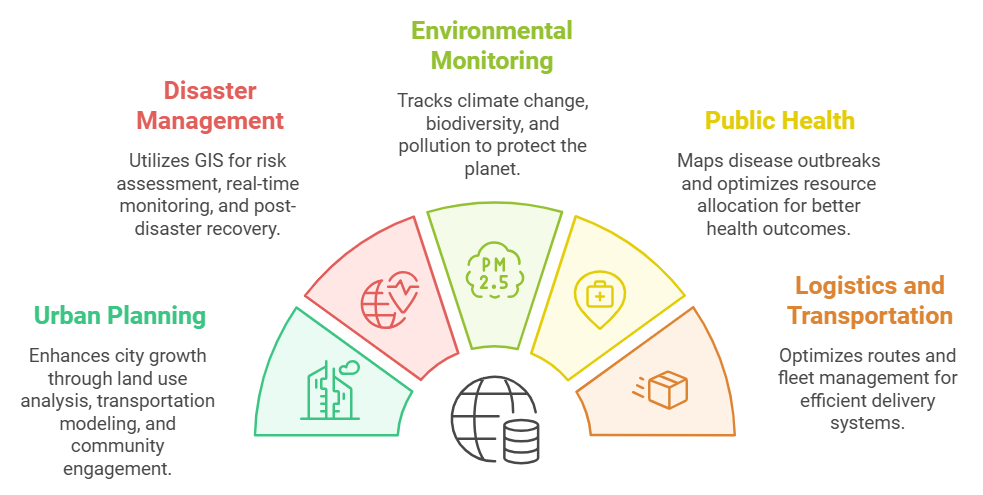
    1. Urban Planning Made Smarter

    • Land Use Analysis: Satellite imagery coupled with socioeconomic data helps planners track changes in land use over time. This ensures cities grow sustainably.
    • Transportation Modeling: GPS data from vehicles helps optimize routes and reduce congestion. For example, public transport systems can change routes dynamically based on traffic patterns.
    • Community Engagement: Interactive maps allow citizens to visualize and comment on urban projects, fostering transparency.

    2. Disaster Management: Saving Lives

    • Risk Assessment: GIS analyzes weather patterns and historical data to pinpoint areas at risk of flooding or earthquakes.
    • Real-Time Monitoring: During disasters, data from IoT devices and social media feeds helps responders understand the situation instantly.
    • Post-Disaster Recovery: Aerial drone images provide clear visuals of affected areas, speeding up relief efforts.

    3. Environmental Monitoring: Protecting the Planet

    • Climate Studies: Long-term satellite data reveals how vegetation and glaciers change over time due to global warming.
    • Biodiversity Conservation: GIS maps endangered species’ habitats, helping identify critical areas that require conservation.
    • Pollution Tracking: Air quality sensors feed into GIS systems that track how pollution spreads throughout cities, helping policymakers take action.

    4. Public Health: Monitoring and Controlling Diseases

    • Outbreak Mapping: GIS helped to visualize the case patterns in the COVID-19 pandemic. It allowed authorities to focus their resources on high-risk areas.
    • Resource Allocation: Through GIS, hospitals and clinics analyze population density in the area to provide better services.

    5. Logistics and Transportation: Moving Smarter

    • Route Optimization: Companies like UPS apply GIS to analyze traffic and deliver packages faster.
    • Fleet Management: GPS-enabled trucks feed the GIS system with location data, thus enabling real-time tracking and efficient route planning.

    Cutting-edge technologies in GIS

    GIS is growing with exciting technologies that make it even more powerful:

    Cloud-Based GIS Platforms

    Cloud technology has revolutionized GIS, making it accessible and scalable:

    • Real-Time Data Processing: Platforms like Esri’s ArcGIS Online allow seamless spatial data sharing and processing.
    • Collaboration: Teams can work on the same map from anywhere, fostering innovation and efficiency.
    • Cost-Effectiveness: Cloud-based GIS eliminates the need for expensive hardware, making it ideal for organizations of all sizes.

    Drone Mapping Services in India

    India’s rapid adoption of drone technology is transforming GIS applications:

    • Precision Mapping: Drones take high-resolution images for infrastructure projects and agriculture.
    • Disaster Response: Drones provide critical aerial visuals to aid recovery after natural disasters.
    • Urban Planning: Cities like Bangalore use drone data to plan better transportation and housing.

    GIS and IoT Applications

    IoT devices, from weather stations to traffic sensors, feed GIS systems with valuable real-time data:

    • Smart Cities: Sensors monitor everything from electricity usage to water flow, making for more innovative and sustainable urban environments.
    • Agriculture: IoT-enabled sensors monitor soil moisture and crop health for farmers to optimize yields.
    • Environmental Monitoring: Networks of IoT devices measure air and water quality, feeding GIS with critical ecological data.

    Challenges in Integrating Big Data with GIS

    With all its benefits, big data in GIS applications is fraught with its challenges:

    • Data Quality: Inaccurate or out-of-date data can result in poor decisions. Validation is a continuous process.
    • Technical Expertise: Professionals must be trained in geospatial analysis and data science, which requires extensive training.
    • Privacy Issues: The use of personal location data raises ethical issues. Clear policies and transparency are critical to building public trust.

    Future Directions for Big Data in GIS

    The integration of emerging technologies will redefine GIS:

    • AI and Machine Learning: These technologies will further power predictive analytics in GIS, automating pattern recognition and forecasting.
    • Cloud-Based GIS Platforms: Cloud storage will make smaller organizations more accessible and collaborative.
    • Drone Mapping Services: Drones equipped with GIS technology will continue to provide high-resolution data for agriculture, urban planning, and disaster response in India.
    • GIS and IoT Applications: IoT networks expand the scope of real-time monitoring from innovative city management to wildlife conservation.

    Conclusion

    The intersection of big data in GIS applications has opened doors for new understanding and solutions to complex geographic problems. From improving urban planning to enhancing disaster response and protecting the environment, GIS in India is playing a vital role in shaping a more innovative and sustainable world.

    As cloud-based GIS platforms and drone mapping services in India continue to evolve, companies like SCS Tech play an important role in driving innovation and delivering robust solutions. By addressing challenges such as data quality and privacy, we can utilize the full potential of Big Data in GIS applications, creating solutions that truly make a difference.


  • Embracing Hybrid Cloud IT Infrastructure Solutions as the New Norm

    Embracing Hybrid Cloud IT Infrastructure Solutions as the New Norm

    In today’s world, where data breaches are becoming alarmingly frequent, how can companies strike the right balance between ensuring robust security and maintaining the scalability required for growth?

    Well, hybrid cloud architectures might just be the answer to this! They provide a solution by enabling sensitive data to reside in secure private clouds while leveraging the expansive resources of public clouds for less critical operations.

    As hybrid cloud becomes the norm, it empowers organizations to optimize their IT infrastructure solutions, ensuring they remain competitive and agile in a continuously ever-changing digital landscape.

    This blog is about the importance of hybrid cloud solutions as the new norm in IT infrastructure solutions.

    Embracing Hybrid Cloud IT Infrastructure Solutions as the New Norm


    Hybrid cloud IT infrastructure solutions
    Hybrid cloud IT infrastructure solutions

    1. Evaluating Organizational Needs and Goals

    • Assess Workloads: Determine which workloads best suit public clouds, private clouds, or on-premises environments. For example, latency-sensitive applications may remain on-premises, while scalable web applications thrive in public clouds.
    • Set Objectives: Define specific goals such as cost reduction, enhanced security, or improved scalability to effectively guide the hybrid cloud strategy.

    2. Designing a Tailored Architecture

    • Select Cloud Providers: Select public and private cloud providers based on features such as scalability, global reach, and compliance capabilities.
    • Integrate Platforms: Use orchestration tools or middleware to integrate public and private clouds with on-premises systems for smooth data flow and operations.

    3. Data Segmentation

    • Data Segmentation: Maintain sensitive data on private clouds or on-premises systems for better control.
    • Unified Security Policies: Define detailed frameworks for all environments, including encryption, firewalls, and identity management systems.
    • Continuous Monitoring: Utilize advanced monitoring tools to identify and mitigate threats in real-time.

    4. Embracing Advanced Management Tools

    • Hybrid Cloud Management Platforms: Solutions such as VMware vRealize, Microsoft Azure Arc, or Red Hat OpenShift make it easier to manage hybrid clouds.
    • AI-Driven Insights: Utilize AI & ML services to optimize resource utilization, avoid waste, and predict potential failures.

    5. Flexibility through Containerization

    • Containers: Docker and Kubernetes ensure that applications operate uniformly across different environments.
    • Microservices: Breaking an application into smaller, independent components allows for better scalability and performance optimization.

    6. Disaster Recovery and Backup Planning

    • Distribute Backups: Spread the backups across public and private clouds to prevent data loss during outages.
    • Failover Mechanisms: Configure the hybrid cloud with automatic failover systems to ensure business continuity.

    7. Audits and Updates

    • Audit Resources: Regularly assess resource utilization to remove inefficiencies and control costs.
    • Ensure Compliance: Periodically review data handling practices to comply with regulations like GDPR, HIPAA, or ISO standards.

    Emerging Trends Shaping the Future of Hybrid Cloud

    1. AI and Automation Integration

    Artificial Intelligence (AI) and automation are changing hybrid cloud environments to make them more innovative and efficient.

    • Automated Resource Allocation: AI dynamically adjusts resources according to the workload’s real-time demands for better performance. For example, AI & ML services can automatically reroute resources during traffic spikes to prevent service disruptions.
    • Predictive Analytics: Historical time series data analysis to predict potential failures to avoid faults and reduce downtime.
    • Improved monitoring: The AI-driven tools enable granular views of performance metrics, usage patterns, and cost analysis to help better make decisions.
    • AI for Security: AI detects anomalies, responds to potential threats, and strengthens hybrid environments’ security.

    2. Edge computing is on the rise

    Edging involves processing data near its sources; it combines well with hybrid cloud strategies, particularly in IoT and real-time applications.

    • Real-time Processing: Autonomous vehicles will benefit through edge computing, where sensor data is computed locally for instantaneous decisions.
    • Optimized Bandwidth: It conserves bandwidth as the critical data is processed locally, and the necessary information alone is sent to the cloud.
    • Better Resilience: With hybrid environments and edge devices, distributed workloads are more resilient when networks break.
    • Support for Emerging Tech: Hybrid systems use low-latency edge computing, especially for implementing AR and Industry 4.0 technologies.

    3. Sustainability Focus

    Hybrid cloud solutions would be crucial in aligning IT operations with and supporting environmental sustainability goals.

    • Effective utilization of resources: Hybrid could shift workloads into low-carbon environments like a public cloud provider powered by renewable sources.
    • Dynamic scaling: By scaling resources on demand through hybrid clouds, they keep energy wastage down over periods of low use
    • Green data centers: Harnessing sustainable IT infrastructure solutions by AWS and Microsoft Azure providers reduces carbon footprints.
    • Carbon Accounting: Analytics tools in hybrid platforms give accurate carbon emission measures, which allows organizations to reduce their carbon footprint.

    4. Unified Security Frameworks

    Hybrid cloud environments require consistent and robust security measures to protect distributed data.

    • Policy Enforcement: Unified frameworks apply security policies across all environments, ensuring consistency.
    • Integrated Tools: Data protection is enhanced by features like encryption, multi-factor authentication, and identity access management (IAM).
    • Threat Detection: Machine learning algorithms detect and prevent real-time threats, reducing vulnerability.
    • Compliance Simplification: Unified frameworks provide built-in auditing and reporting capabilities that simplify compliance with regulations.

    5. Hybrid Cloud and Multicloud Convergence

    Increasingly, hybrid cloud strategies are being used with multi-cloud to maximize flexibility and efficiency.

    • Diversification of vendors: Reduced dependency on one vendor can ensure resilience and help build more robust services.
    • Optimized Costs: Strategically spreading workloads across IT infrastructure solution providers can help leverage cost efficiencies and unique features.
    • Improved Interoperability: Tools such as Kubernetes ensure smooth operations across diverse cloud environments, thus enhancing flexibility and collaboration.

    Conclusion

    The future of hybrid cloud IT infrastructure solutions is shaped by transformative trends emphasizing agility, scalability, and innovation. As organizations embrace AI and automation, edge computing, sustainability, and unified security frameworks, they get better prepared to thrive in a fast-changing digital world.

    Proactively dealing with these trends can help achieve operational excellence and bring long-term growth and resilience in the age of digital transformation. SCS Tech enables businesses to navigate this evolution seamlessly, offering cutting-edge solutions tailored to modern hybrid cloud needs.

  • How Artificial Intelligence in Disaster Management Software Is Saving Lives?

    How Artificial Intelligence in Disaster Management Software Is Saving Lives?

    What if we could turn chaos into clarity during disasters? Since 1990, floods have caused $50 billion in damages and impacted millions in India. Knowing about a disaster before it strikes could give communities time to prepare and respond effectively. That’s where Artificial Intelligence is turning this possibility into a reality. From issuing early warnings for hurricanes to guiding rescue operations during floods, AI is revolutionizing disaster management.

    In this blog, let’s explore how AI in disaster management software transforms predictions, responses, and recovery efforts to save lives.

    How Artificial Intelligence in Disaster Management Software Is Saving Lives?

    AI in disaster management software enhancing life-saving efforts
    AI in disaster management software enhancing life-saving efforts

    Artificial Intelligence (AI) revolutionizes disaster management by permitting more accurate predictions, speedy responses, and efficient recoveries. AI enables advanced algorithms, and real-time data is fed to disaster management software to soften the impact of natural and artificial disasters.

    1. Disaster forecasting through AI

    AI has come as one of the significant transformations that AI has undergone to improve disaster management systems. Through analyzing vast amounts of data and finding patterns, the chances of predicting and, thus, preparing for any disaster are primarily enhanced.

    Data Collection by AI

    AI collects data from different sources, and this includes:

    • Weather data, which can track storms, hurricanes, and cyclones
    • A seismic activity record is used to identify the initial seismic signals of an earthquake.
    • Historical data to identify trends of disaster recurrences in certain areas.

    This integrated analysis helps accurately predict when and where disasters might occur. For instance, AI can scan satellite images to monitor ocean temperatures and predict the cyclone’s formation.

    Risk Assessment

    AI evaluates the potential damage caused by disasters by assessing:

    • Population density: Determining areas where the disaster would impact the most people.
    • Infrastructure weaknesses: This highlights the weak points such as bridges, dams, or flood-prone neighborhoods.
    • Environmental factors: These are natural features such as forests or water bodies that may affect the intensity of disasters.

    This helps governments and agencies to plan better and provide more resources to high-risk areas.

    Early Warning Systems

    Machine learning models are trained on historical data, predicting disaster patterns and providing early warnings. These warnings:

    • Give communities enough time to evacuate or prepare.
    • Allowing authorities to preposition emergency supplies, including food, water, and medical kits.

    For instance, AI-based flood prediction systems use rainfall, river levels, and soil saturation data to predict floods days ahead of time. This helps save lives and reduce property damage.

    2. Real-Time Monitoring of Disasters

    When disasters occur, the difference between life and death can be a matter of having accurate information in real-time. AI shines in monitoring unfolding events and guiding responders in real-time.

    Live Data Analysis

    AI processes live feeds from sources like:

    • Drones: Taking aerial views of disaster-stricken areas to identify damage and locate stranded individuals.
    • Satellites: Offering large-scale images to track the spread of disasters such as wildfires or floods.
    • IoT Sensors: Track water levels, air quality, and structural strength in disaster areas.

    Processing this information in real-time, AI provides actionable insight to the emergency teams to determine the nature of the situation and plan for it.

    Anomaly Detection

    AI constantly monitors the critical parameters and detects anomalies that might lead to further deterioration. Such anomalies could be:

    • Rising water levels above flood safety levels.
    • Rapidly rising temperatures in a forested area potentially indicate wildfires.
    • Gas leaks in earthquake-damaged industrial areas.

    The detection alerts the responders, who can take prompt action before further damage is done.

    Situational Awareness

    AI-based GIS creates comprehensive maps that outline the following:

    • Storm-inundated areas
    • Affected areas due to wildfires and landslides
    • Safe zones for evacuation or relief operations.

    These maps enable better resource allocation so that aid would first reach the most vulnerable areas. For instance, AI-enhanced drones can identify stranded victims and direct rescue boats to that area during floods.

    3. Response Automation

    With AI able to automate critical tasks in the response function, emergency operations become swift and efficient with fewer chances of delay and error.

    Optimized Dispatch

    AI orders distress calls according to priority and determines their urgency and location. It may be demonstrated as below:

    • Calls from severely affected areas will be prioritized over other less urgent requests.
    • AI systems scan traffic conditions to route emergency vehicles to destinations as quickly as possible.

    This ensures that ambulances, fire trucks, and rescue teams reach the victims in need much faster, even in the most chaotic environment.

    Traffic Management

    In evacuations, traffic congestion is one of the biggest threats to lives. AI systems scan traffic patterns in real-time and recommend:

    • Alternative routes to avoid gridlocks.
    • Safe evacuation routes for big crowds.

    AI will give the safest route to avoid danger zones during a wildfire, ensuring civilians and emergency responders stay safe.

    The Future of AI in Disaster Management Software

    The use of AI in disaster management is getting stronger with every passing day. Here’s what might be in store:

    • Improved Predictive Models: AI will predict disasters even more accurately with better algorithms and data.
    • Real-Time Adaptation: AI systems would change responses dynamically in response to real-time updates to be efficient.
    • Collaboration Tools: Future AI systems enable easy data exchange among government agencies, NGOs, and AI technology companies.
    • Integration with IoT: AI-based incident management systems work with IoT devices like smart sensors to monitor critical parameters like water level and air quality in real-time.

    For instance, in flood-prone areas, AI, in conjunction with IoT sensors, can facilitate real-time updates that inform people in advance to evacuate in time.

    Conclusion

    Artificial Intelligence changes the face of disaster management software by saving lives through accurate predictions, swift reactions, and intelligent resource allocation. AI ensures people obtain information immediately by sending early warnings and real-time updates.

    In countries with frequent natural disasters, we must use AI-driven tools to reduce damage and protect communities. These tools do not only help us prepare but also respond better during emergencies. Companies like SCS Tech drive these innovations to build safer and more resilient communities and tap into the power of technology to save lives.


  • How E-Governance Solutions Are Enhancing Citizen Participation?

    How E-Governance Solutions Are Enhancing Citizen Participation?

    Have you noticed how technology changes how governments engage with citizens? E-governance solutions are no longer a buzzword but a movement rewriting the governance rules. From speeding up social benefit transfers, innovations such as DBT systems have sparked a 192% surge in efficiency. Such advancements make governance more innovative, inclusive, and genuinely citizen-centric.

    In this blog, let’s explore how e-governance solutions, powered by advancements in AI and robust IT infrastructure, are transforming governance. These solutions incorporate active citizen participation in administration, making public services more responsive.

    How E-Governance Solutions Are Enhancing Citizen Participation?

    E-Governance boosting citizen participation
    E-Governance boosting citizen participation

    1. Digital Platform for Communication

    One of the cornerstones of e-governance is utilizing a digital platform to bring governance closer to citizens. There are real-time engagements such that citizens are constantly and regularly informed and involved with the government:

    • Web Portals and Mobile Apps: These digital gateways provide instant access to services like bill payments, license applications, and complaint registrations. Citizens do not have to visit government offices to carry out these tasks, saving them time and effort. With mobile apps, users are provided with user-friendly interfaces through which they can register complaints, access public schemes, and get updates.
    • Social Media: It is the platform through which two-way communication takes place. Platforms include Twitter, Facebook, and Instagram. Governments can inform citizens about policies, events, and public initiatives at a very fast pace, and the citizens can voice their concerns and give feedback. Through social media, governments can keep track of public opinion and respond to concerns immediately.

    These digital platforms make interaction easier and make governance more accessible and inclusive. They bridge the gap between government agencies and citizens, ensuring that everyone, regardless of location, can stay connected.

    2. E-Participation Tools

    E-governance goes beyond one-way communication by actively involving citizens in decision-making through participatory tools.

    • Online Surveys and Polls: Governments conduct surveys to gather public opinions on new policies, projects, or initiatives. This direct feedback allows decision-makers to align policies with citizen needs and preferences. For example, before launching a new law, authorities can gauge its acceptance through online polls.
    • Discussion Forums: Structured forums provide avenues for citizens to discuss and deliberate on policy issues. Such avenues allow informed participation, so that people may share their ideas, develop solutions collectively, and input into shaping community projects.
    • Crowdsourcing Programs: The government invites citizens to submit innovative ideas or solutions for public challenges. This makes them feel owned and included. For instance, citizens can suggest improvements in infrastructure, education, or health systems through specific crowdsourcing platforms.

    These tools empower citizens to take an active role in governance, ensuring that policies reflect diverse voices and community needs.

    3. Data Transparency and Accessibility

    Building Trust is founded on transparency and e-governance creates solutions for providing the public sector operations much more transparent and accountable.

    • Open Data Portals: This allows citizens to explore the available data regarding budgets, projects, and expenses. Analyzing this information can help explain to people how funds for public services are allocated and utilized, holding authorities accountable.
    • Real-Time Tracking Systems: These allow citizens to keep track of how their applications, complaints, or government services are being carried out. A citizen could apply for welfare benefits or a building permit – the status could be kept online, eliminating frustration or uncertainty.

    Transparency through such tools will not only create trust but also enhance citizens’ ability to be more actively involved in governance processes. People’s participation is meaningful when they can see the processes of decision-making as well as resource allocation.

    How E-Governance Solutions for Improved Public Sector Efficiency?

    The new solutions for e-governance redefine the delivery of services within the public sector, relying on Information Technology (IT), then Information and Communication Technologies (ICTs), and web-based platforms to facilitate effective, transparent, and accessible governance. Whether it is health or transportation, urban development, or utilities, these new solutions are changing the experience of governance for citizens.

    Integrated Services through Centralized Systems

    One of the key features of e-governance is that it combines various government services on a single platform. Such centralized systems allow for:

    • Streamlined Service Delivery: Citizens can file taxes, apply for permits, and enroll in benefits from a single portal.
    • Improved Interdepartmental Coordination: Data sharing across departments results in faster responses and reduced redundancy.
    • User-Centric Design: Easy-to-use interfaces make it easier for people to find and use services.

    For instance, an integrated platform may offer the facility to pay property tax, lodge a complaint, and obtain a driving license in one place.

    Automated Document Processes

    The olden days of paperwork, along with electronic documents and workflow management, are long gone. Such software programs automate the document handling and approval process, and therefore lead to the following:

    • Quick Delivery of Services: Service delivery happens fast without being hindered by the time-consuming nature of manual processes.
    • Less Human Errors: Automated workflows help minimize human errors.
    • More Accurate Record Keeping: Digital records promote more accountability and easy accessibility for later use.

    These automations mean real-time benefits to citizens in terms of waiting time to receive permits or certification, for example.

    Safe and Smart City Solutions

    Governments are using the IoT (Internet of Things) and AI to create better cities. These solutions benefit by:

    • Optimized Resource Allocation: Smart sensors monitor traffic, energy use, and safety metrics in real-time.
    • Proactive Services: AI-powered analytics predict service demands, such as waste collection schedules or public transport requirements.
    • Improved Safety: IoT-enabled surveillance systems and emergency response tools create safer communities.

    For instance, smart traffic management systems can reduce congestion while improving road safety for citizens.

    Conclusion

    E-governance solutions change governance by making the processes more transparent, effective, and participatory. They can enhance service delivery and citizen involvement by incorporating AI technologies into IT infrastructure solutions. Then, problems like the digital divide and data privacy exist for these solutions to be fully exploited.

    E-government, therefore, helps governments achieve a strong democracy, build up trust, and empower their citizens to take an active role in shaping their surroundings. The future of governance is easy: inclusivity, adaptability, and true people-serving technology solutions. This change provides a backdrop for an enabling force like SCS Tech, offering cutting-edge IT infrastructure solutions that make this novel development possible.

  • How Custom Cybersecurity Solutions Protect Cloud, Mobile, and On-Site Systems?

    How Custom Cybersecurity Solutions Protect Cloud, Mobile, and On-Site Systems?

    Just 39 seconds—that’s all it takes for a cyberattack to strike, faster than you can reply to your emails.

    This alarming frequency indicates the urgent need for cybersecurity solutions. With every company relying on cloud computing, mobile devices, and on-site infrastructure, the demand for robust protection has never been greater. While each environment has its own unique vulnerabilities, cyber security consulting services help organizations identify and address these gaps effectively. General security measures may cover major threats, but expert consulting ensures even the less obvious vulnerabilities are not overlooked.

    That is where custom cybersecurity solutions come in for each system, which are different, specified according to their needs, and used to counter specific threats.

    Let’s discuss, in detail, each of the challenges presented by cloud, mobile, and on-site systems. Understand how custom cybersecurity solutions overcome those challenges, and improve security in each.

    Security of Cloud Systems: Overcoming Unique Security Challenges

    With the advent of cloud computing, tremendous flexibility and scalability emerged for businesses, but they differ through unique risks. With various users sharing cloud environments and being managed by third parties, they pose unique security issues that vary from traditional systems.

    What Are the Challenges in Cloud Security?

    • Data Breach: When sensitive information is stored in the cloud, it is most vulnerable to unauthorized access, especially if it has weak credentials or is not configured correctly.
    • Account Hijacking: Compromise from phishing leads to allowing attackers access to valuable information.
    • Insecure API: An insecure API control can be equated to an open door for an attacker with services in the cloud.
    • Compliance Complexities: These are the complexities of the compliance cloud configurations that must be put into strict regulatory standards like GDPR or HIPAA. This is challenging to implement effectively.

    How Do Custom Cybersecurity Solutions Enhance Cloud Security?

    Discover how custom cybersecurity solutions provide tailored protection for secure cloud environments

    1. Cloud Access Security Brokers (CASBs): CASBs serve as security layers between the cloud provider and the user base. It provides
      1. Data Protection: CASBs enforce data-loss-prevention policies through enforcing DLP policies by monitoring how data is transferred and blocking unauthorized access to sensitive information.
      2. Threat Detection: They use behavioral analytics to detect anomalies in user behavior that might suggest a breach.
      3. Compliance Management: CASBs help keep organizations compliant with all the appropriate industry regulations based on audit trails and reporting.
    2. Security Posture Management (SPM): SPM tools continuously watch for identifying vulnerabilities and misconfigurations in the cloud environments. This is done through:
      1. Vulnerability Scanning: Scanner tools that scan for all misconfigurations and known vulnerabilities in cloud resources.
      2. Compliance Audits: Periodic audits that the configurations adhere to best security practices and the appropriate regulations from the mandate.
    3. Cloud Workload Protection Platforms (CWPP): They protect the applications running in the cloud by analyzing activity in real-time and blocking unauthorized access attempts.
      1. Runtime Protection: The CWPP can detect real-time threats by protecting applications against malicious activity.
      2. Intrusion Prevention: The CWPP prevents any unauthorized access attempt and reduces the attack’s impact on workloads.
    4. Data Encryption Solutions: Encryption at rest, associated with the storage of data, and in motion, associated with the transfer of data utilise strong algorithms such as Advanced Encryption Standard (AES) coupled with Rivest-Shamir-Adleman (RSA) ensuring the integrity of data as it flows through all its stages of the life cycle.
      1. Encryption at Rest: With strong encryption algorithms such as AES-256, data is encrypted to secure those at rest in the cloud.
      2. Encryption in Transit: Encryption protocols, such as TLS/SSL, consist of specific ones that encrypt data between users and cloud services.
    5. Zero Trust Architecture: Zero Trust continuously verifies users and devices, limits network access, and controls lateral movement. This architectural model is designed so that not a single user or device should be trusted by default, regardless of whether they are inside or outside the network perimeter.
      1. Identity Verification: MFA ensures only the proper users can access cloud resources.
      2. Micro-Segmentation: This involves limiting lateral movement as the workload is segmented so multiple attack vectors remain inaccessible to the hackers if one resource is compromised.

    Mobile Systems: Unique Risks and Custom Solutions for Security

    The increasing use of mobile devices in the workplace has become a meaningful way to access company information. Still, they also pose vulnerabilities due to their portability and high connectivity. Among mobile security threats are malware attacks, phishing scams, and accidental data leaks in cases where information is mishandled.

    What Are the Issues in Mobile Security?

    • Threats of Malware: The mobile phone is highly vulnerable to malware that can steal away information or compromise system operations.
    • Phishing Attacks: Mobile phishing attacks target mobile users with fake messages that compel the victims to unveil sensitive information.
    • Leakage of Data: The leakage of data is facilitated by mishandling and storing some applications without appropriate security, thereby making them vulnerable.

    How Do Custom Cybersecurity Solutions Improve Mobile Security?

    How to Improve Mobile Security with Custom Cybersecurity Solutions

    1. Mobile Device Management (MDM): MDM will help enforce security policies across mobile devices and controls preventing the installation of unauthorized applications. This is done by:
      1. Wipe Remotely Ability: IT administrators can remotely wipe the data off lost or stolen devices so sensitive information cannot be accessed.
      2. Application Control: MDM enables organizations to mark applications as white lists or black lists depending on security policies to prevent malicious applications from being installed.
    2. Application Security Testing: This examines the code of a mobile application for potential vulnerabilities while simulating attacks to determine hidden weaknesses before deploying the app.
      1. Static Application Security Testing (SAST): It scans for possible weaknesses in the source code that may occur when executed.
      2. Dynamic Application Security Testing (DAST): Running applications are tested for vulnerability through simulated attacks that could reveal the exploits.
    3. Advanced Threat Detection: Behavioral analytics monitor mobile devices for unusual activities and enable an immediate response to potential breaches.
      1. Behavioral Analytics: These systems monitor patterns in the user behavior that signify a potential compromise.
      2. Real-Time Alerts: Instant alerting of suspicious events to allow for prompt investigation and action.

    On-Site Systems: Controlling Internal and Physical Threats through Custom Cybersecurity Solutions

    As businesses continue their digital transformation, on-site systems form the backbone of most organizations, since they provide a direct source of access to data coupled with control.

    They are always vulnerable to internal threats and intrusion by physical persons. Insiders and unauthorized physical intrusion are the main risks to on-site systems.

    What Are the Security Problems in On-Site Systems?

    • Insider Threat: The insiders compromised the security since those authorized to privilege access may misuse their rights.
    • Physical Violations: Unauthorized physical entities entering critical areas directly result in hardware or data exposure.

    How Do Custom Cybersecurity Solutions Improve On-Site Security?

    Learn how custom cybersecurity solutions enhance on-site security by addressing unique vulnerabilities.

    1. Network Segmentation: Division of the network into sub-divisions. Segmentation limits the movement of attackers and restricts access to sensitive data. This format helps isolate breaches, thus protecting the rest of the network.
      1. Virtual Local Area Networks (VLANs): Separation of the different network-level departments reduces the likelihood of lateral movement by an attacker.
      2. Access Controls Between Segments: Strict access controls make sure that only authorized persons gain access to the sensitive segments.
    2. IDS Software: Intrusion Detection Systems (IDS) software keeps track of network traffic by detecting signatures and anomalies, which will notify of a threat in real-time.
      1. Signature-Based Detection: Predefined signatures of known threats are recognized and provide immediate responses to familiar attacks.
      2. Anomaly-Based Detection: This form of detection involves scanning for patterns that don’t fall under the usual traffic profile within the network. The method finds new threats that do not match existing signatures.
    3. Scheduled Security Audit: Periodic scanning for weaknesses and penetration testing will discover and remove all the possible vulnerabilities within the system before hackers take advantage of them.
    4. Incident Response Planning: A dedicated incident response team and a few playbooks for common scenarios ensure that breaches are fast and efficient and the eventual damage is reduced.
    5. Physical Security: Restrict access to building parts using key cards, biometric scanners, and video cameras.

    Conclusion

    Present-day generic solutions fail when unique challenges exist in cloud, mobile, and on-site systems. SCS Tech, a trusted name among the cybersecurity solutions group, provides targeted protection needed to keep data and operations safe.

    Whether planning a new security strategy or seeking to build upon and enhance the existing one, investing in custom cybersecurity solutions is paramount in these times of constant global changes and cyber threats.


  • Why Is Incident Management Software Vital for Homeland Security and Defence Operations?

    Why Is Incident Management Software Vital for Homeland Security and Defence Operations?

    Are you aware that India ranks as the world’s second most flood-affected country?

    Facing an average of 17 floods each year, these flood events annually affect about 345 million people every year. With these frequent natural disasters, along with threats like terrorism and cyberattacks, India faces constant challenges. Therefore, now more than ever it is crucial to protect people and resources.

    To tackle this, having an effective incident management software (IMS) system is very important. It helps teams coordinate effectively and plan ahead, ensuring rapid action in critical situations.

    So how exactly does incident management software support homeland security and defense operations in managing these complex crises?

    Why Is Incident Management Software Vital for Homeland Security and Defence Operations?

    why incident management software for homeland security and defence?

    #1. Tackling the Complexity of Security Threats

    India’s diverse threats- from natural disasters to public health emergencies- call for special and flexible response strategies. This is where incident management software makes an all-important difference.

    • Multi-Dimensional Threat Landscape: India’s threats are multi-dimensional and heterogeneous, so different agencies are called to work together. IMS centralizes the platform for police, medical teams, fire services, and defense forces to share data and communicate closely to ensure all responders are in sync.
    • Evolving Threats: The threats are diverse and cannot be predicted. Incident management software is designed to respond to unanticipated crisis changes, whereas traditional responses are often left behind. It enables on-site changes based on fresh information, creating agility in response efforts.

    #2. Response Time Improvement

    When disasters strike, every second counts. Delayed response translates to more deaths or more significant property damage. Incident management software drastically cuts down response times by standardizing procedures for critical activities.

    • Access to Information in Real Time: IMS offers decision-makers instant information about the status of incidents, resource utilization, and current operations. With rapid access to the correct information, mobilization of resources is quicker and certainly does not result in delays that may augment the crisis condition.
    • Automated Processes: Some of the core processes in an IMS are automated, such as reporting and tracking, which eliminates more human errors and lets the information flow faster. At times of high pressure, such automation is instrumental in transmitting responses fast enough for loss of life and further damage.

    #3. Coordination between Agencies

    A coordinated response involving multiple agencies is fundamental during crisis management. Incident management software helps coordinate unified action by creating a central communication hub for all the responders.

    • Unified Communication Channels: IMS presents a common communication channel to all agencies. This saves the agency from confusion and misunderstanding, which may lead to errors in response and thus present hazards to the public.
    • Standard protocols: IMS places agencies into parallel response frameworks at the national level, similar to the National Disaster Management Act. That way, they will work from the same protocols, and accountability can be easily known and understood.

    #4. Enable Resource Management

    Resources are always scarce at any given moment of a disaster. The effectiveness of response is often related to the way resources are managed. Incident management software provides an essential function in resource allocation so that it reaches precisely where and when it is needed.

    • Resource Availability Visibility: IMS provides real-time situational awareness concerning available resources, people, equipment, and supplies. Agencies can rapidly deploy resources to the point of need.
    • Dynamic Resource Allocation: The demand for resources changes sharply in more significant incidents. IMS enables the responder to promptly make dynamic resource allocations to fulfill urgent needs.

    #5. Enabling Accountability and Transparency

    Transparency and accountability are essential for any democratic country such as India. Public trust must be there, and incident management software supports this and lays the foundation for the trust of people in crisis management by the government.

    • Detailed Documentation: IMS offers an audit trail of everything done during the incident. It is crucial for accountability, with every agency responding accountable for every piece of action.
    • Public Trust: Incident management transparency will build the trust of the public. More people will feel confident and trusting that the government can be there for them if they realize there is evidence of successful crisis management. IMS helps illustrate that it is not only responsive but prepared and organized.

    #6. Enabling Continuous Improvement

    One of the greatest strengths of incident management software lies in its support for continuous improvement. Through lessons learned from past events, the agencies improve their strategies in preparation for other challenges.

    • Data-Driven Insights: IMS collects data from each incident, based on which analysis of response effectiveness is conducted to identify what areas need improvements. The insights drawn from such data guide training programs, resource planning, and policy adjustments. The system thus becomes more resilient in the face of future challenges.
    • Adaptation to New Challenges: Constant adaptation is necessary, from the emergence of cyberattacks and climate-related disasters to others yet to emerge. Through historical data analysis, the central agencies are better placed to stay ahead of rising challenges and refine their responses based on lessons learned.

    Conclusion

    Incident management software has become essential in a world where evolving security threats and natural disasters constantly challenge a nation’s resilience. This is especially true for countries like India. Companies like SCS Tech develop the most sophisticated incident management software solutions, boosting response time and coordinating and managing resources accordingly.

    Such investment is bound to be operational and goes beyond that to enhance national resilience and public trust, equipping India’s security forces to respond to emerging challenges effectively.

  • How AI Technology Companies Power Security Operation Centers (SOC) to Enhance Threat Detection?

    How AI Technology Companies Power Security Operation Centers (SOC) to Enhance Threat Detection?

    What if the security system could foresee threats even before they arise?

    That is the power artificial intelligence brings to Security Operation Centers. The role of AI in SOCs is transforming how businesses start to detect and respond to cybersecurity.

    The statistical growth of AI adoption in significant sectors of India has already touched 48% in FY24, a clear pointer to AI’s role in today’s security landscape. This transformation is a trend and redefines cybersecurity for industries with better cyber threat countermeasures.

    This blog will explain to you how AI technology companies enable SOCs to improve in threat detection. We will also demystify some of the significant AI/ML service and trends that are helping improve efficiency in a SOC.

    How do AI Technology Companies help Improve Security Operation Centers Improve Threat Detection?

    Ways AI Technology Companies Improve Security Operation Centers Improve Threat Detection

    Deep Learning for Anomaly Detection

    AI technologies and intense learning are game changers in the identification of cyber threats. Traditional techniques do not typically detect the subtlest advanced persistent threats (APTs) because they mimic regular network traffic.

    Deep learning, particularly neural networks, can catch the latent patterns. For instance, CNNs represent one specific type of deep learning that processes network data as an image, thereby learning complex patterns associated with cyber attacks.

    This technology detects unusual network behavior that would otherwise escape the standard observation methods. Preventive detection made possible by AI technology companies will reveal exfiltration of data or lateral movements within the network, this is crucial in preventing breaches.

    Real-Time Behavioral Analysis

    Another powerful feature offered by AI & ML services for SOCs is real-time behavioral analysis. This technique creates a “normal” baseline of users and devices operating on the network so that AI can identify anomalies that could indicate a potential threat.

    These features help SOCs efficiently discover compromised accounts as well as insider threats. This is done through anomaly detection algorithms, User and Entity Behavior Analytics (UEBA), and Security Information and Event Management (SIEM) systems.

    Automating Threat Hunting

    Threat hunting by AI technology companies scans continuously for IoCs, which may indicate a compromise of unusual IP addresses or malware signatures from a feed from the threat intelligence.

    AI may be able to correlate IoCs across internal logs, identify potential breaches before they escalate, and then automatically create an alert for the SOCs.

    As a result, SOCs can proactively identify threats, reducing response time and improving the organization’s overall cybersecurity posture.

    Automation of Routine SOC Activities

    AI is crucial to automating routine SOC activities while allowing SOC analysts to focus on the most critical threats.

    Key areas in which IT infrastructure solution providers excel at automation include:

    • Automated Incident Response: AI can initiate incident response activities automatically. In case of malware detection on an endpoint, AI may lock the compromised device, notify the concerned people, and initiate forensic logging without a human’s intervention.
    • Intelligent Alert Prioritization: AI algorithms categorize alerts based on the threats’ potential impact and context. In this respect, SOC analysts face high-risk threats before discussing lesser-priority issues.
    • Log Correlation and Analysis: AI can correlate logs from multiple sources- say firewalls and intrusion detection systems in real time and discover patterns that unveil complex attacks. AI technology companies can correlate failed login attempts with successful ones from other locations to detect credential-stuffing attacks.

    These automation techniques make SOCs operate much more efficiently and keep on top of what matters in security without tedious work.

    Predictive Analytics for Threat Anticipation

    AI enables SOCs to predict threats even before they take place with predictive analytics.

    Based on the analysis of historical data and recent trends of threats, AI predicts possible attacks and takes proactive defenses.

    • Machine Learning for Predictive Threat Prediction: Machine learning models rely on past data to recognize earlier trends in the events in the system. These then predict vulnerabilities later in the organization’s infrastructure.
    • Risk Scoring Models: The AI generates risk scores for the assets, allotting relevant exposure and vulnerability levels. The higher the scores, the more attention is required from SOCs.
    • Threat Landscape Monitoring: AI monitors reports from external sources, such as news and social media, on emerging threats. If discussion over a new cyber exploit gains popularity over the Internet, AI has been poised to alert SOC teams to take precautionary measures long in advance.

    Predictive analytics enable SOCs always to be ahead of attackers, which drives overall cybersecurity resilience.

    Enabling AI Technology that Transforms the Capability of a SOC

    Some of the advanced AI & ML services, such as reinforcement learning, graph analytics, and federated learning, have far more capabilities for a SOC.

    • Reinforcement Learning: In reinforcement learning, AI discovers the best responses by simulating cyberattack scenarios. SOCs can leverage it to try out strategies for incident response and develop quicker response times.
    • Graph Analytics: Graph analytics helps visualize complicated relationships in a network by showing the connections between users, devices, and accounts. Thus, this can help SOCs identify previously latent threats that the traditional monitoring fails to perceive.
    • Federated Learning: Federated learning allows organizations to collaborate over training machine learning models without exposing sensitive data. This will enable SOCs to enhance their precision of the threats through gathered knowledge in a manner that ensures data privacy.

    These technologies equip SOCs with all the capabilities required to rapidly, accurately, and effectively react to emerging threats.

    Strategies for Effective Implementation of AI in a SOC

    While AI technology companies offer several benefits, the implementation of a SOC requires careful planning.

    Organizations will consider the following strategies:

    • Develop Data Strategy: An appropriate data collection, normalization, and storage strategy should be done. SOCs would necessitate a centralized logging solution for the AI model to appropriately parse data from disparate sources.
    • Testing and Verification of Model Before Deployment: The accuracy of the AI models must be tested before they are deployed. Repeated feedback from SOC analysts about their relative performance must be integrated into those models.
    • Cross-Functional Collaboration: Cross-functional collaboration between cybersecurity teams and data scientists is the best way to implement AI. Cross-functional teams ensure that AI models are developed with both technical expertise and security objectives in mind.

    Key Challenge Consideration for AI Adoption

    While the benefits are many, integrating AI in SOCs introduces several other challenges, like quality issues, ethical concerns, and compatibility issues related to already established infrastructures.

    • Data Quality: AI models require accurate data; hence, poor data quality may degrade the ability of the model to make precise or correct detections. Organizations should validate and ensure log completeness across all systems.
    • Ethical Considerations: AI systems must respect privacy rights and avoid bias. Regular audits can ensure that AI-driven decisions are fair and aligned with organizational values.
    • Complexity of Integration of AI: The integration of AI in existing SOCs is not that simple. In many cases, a phased rollout would be more effective as this does not disturb the workplace and allows compatibility problems to be efficiently resolved.

    Future of AI in SOCs

    AI at work in SOCs holds great promise, with the trend indicating:

    • Autonomous Security Operations: SOCs may get better at automation, handling specific incidents by themselves, human intervention being needed only according to requirement, and speeding up response times.
    • Integrate with Zero Trust Architectures: Ensuring continuous and ever-changing verification of the identity of users at access points, which thus reduces the possibility of unauthorized access.
    • Advanced sharing of Threat Intelligence: AI-powered applications may enable organizations to securely share any findings related to developed threats. These applications enhance collective defense beyond the boundaries of industries.

    Conclusion

    AI technology companies empower SOCs. SOCs can now do better, detect, and respond to advanced cyber threats through real-time analysis, automation, deep learning, and predictive analytics.

    With the constant evolution of AI, SOCs will get even better. This means businesses will feel more confident in securing their data and operations in a world of digitization.

    SCS Tech stands at the cutting edge in providing organizations with AI-driven solutions and improving their cybersecurity capabilities.